追跡
解説 Definition
誰かまたは何かを追跡すること。居場所や動きを調べるために後を追う行為。
Tracking is the process of following the movement, progress, or development of someone or something. It is commonly used for deliveries, data, animals, health, or performance. The word often suggests careful monitoring over time.
覚え方のコツ Memory Tip
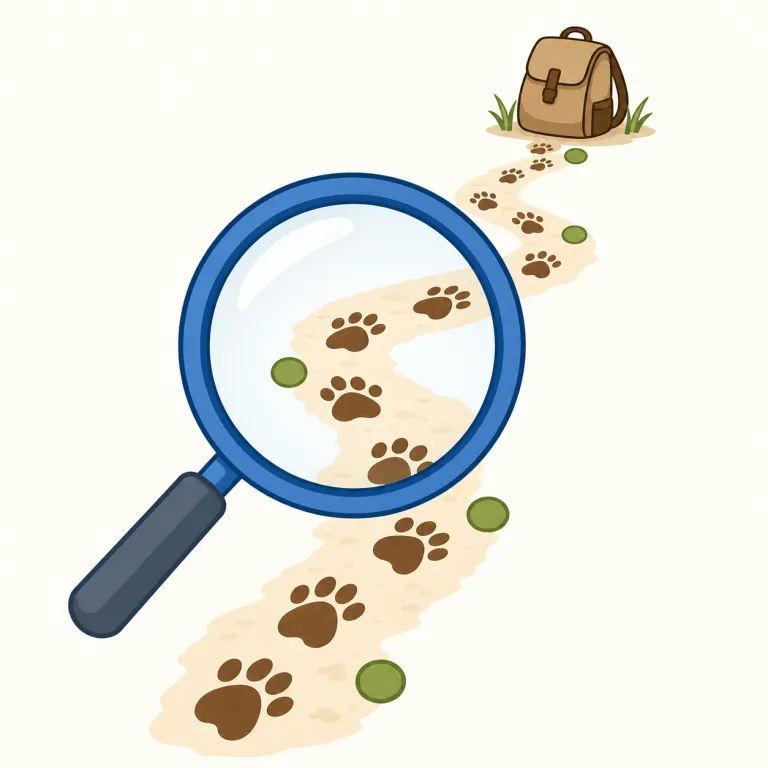
track を「道・足跡・動いたあと」と押さえると tracking は「その跡をたどり続けること」。train track の track と同じ語なので、相手が通った線を追う感じで覚えると残りやすいです。動詞 track は track a package, track a suspect, track customer behavior のように使われ、物理的な追跡にもデータの追跡にも広がります。chase はその場で追いかける動き、tracking は位置や変化を継続的に追う管理のニュアンス。
Think of track as a line, path, or mark left behind. Tracking is following that line over time, not just running after something once. Remember common pairs like "package tracking" or "track customer behavior" to feel the continuous, monitoring idea.
例文
The detective started tracking the suspect.
その刑事は容疑者を追跡し始めました。
GPS tracking helped locate the lost child.
GPSによる追跡は行方不明の子どもを見つけるのに役立ちました。
Tracking animals in the wild requires patience and skill.
野生動物の追跡には忍耐とスキルが必要です。
tracking の類義語・関連語
tracking の語源・成り立ち Etymology
tracking は track「跡・通った道」+ -ing で、「跡をたどること」が原義です。track は古フランス語 trac に由来し、もとは足跡や轍のしるしを指したので、見えない相手でも残った痕跡から追うという発想で「追跡」の意味になります。関連語は tracker, backtrack。
Tracking comes from track plus the suffix -ing. Track entered English from Old French trac and first meant a mark, footprint, or path left behind. From the idea of following visible signs on the ground, tracking came to mean following a person, animal, or object by its traces; related words include tracker and backtrack.
同じレベルの英単語をもっと
外部辞書で調べる
この単語を英単語クイズで覚えよう