lisp
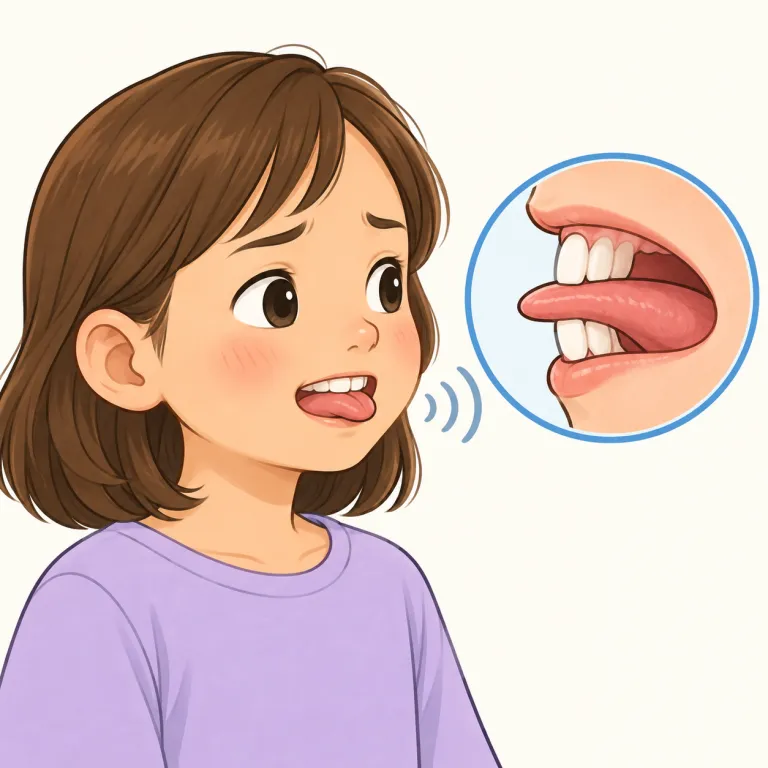
lisp は英検1級レベルの英単語で、「舌足らず、舌足らずに話す」という意味があります。発音記号は /ˈlɪsp/ です。
舌足らず
/ verb 動詞 舌足らずに話す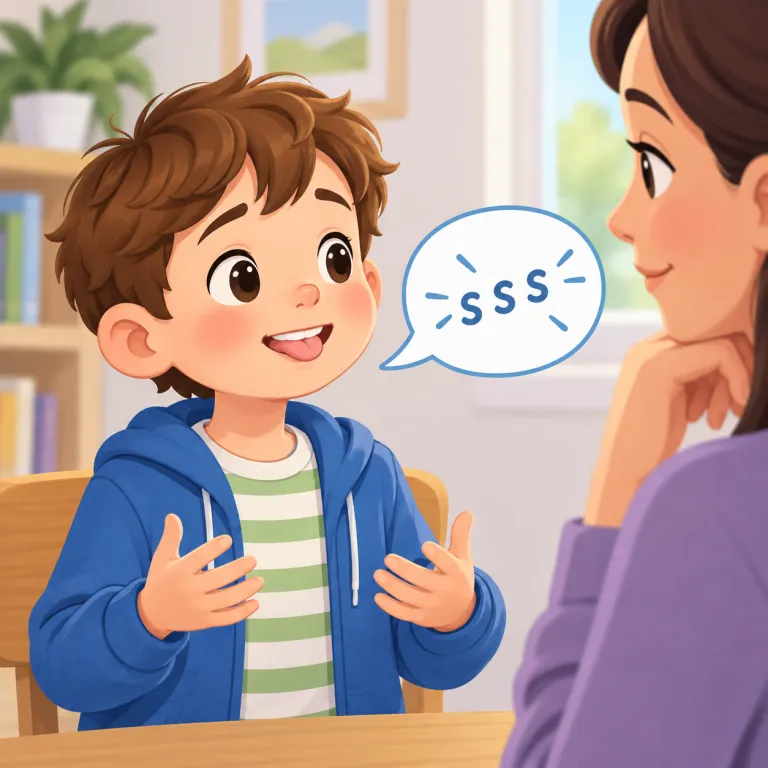
解説 Definition
話すときに舌がうまく働かず、特に『s』や『th』の音が正しく発音されない言語障害を意味します。幼い子どもに見られることがあります。
A lisp is a way of speaking in which certain sounds, especially "s" and "z," are not pronounced clearly. It is a speech characteristic or speech difficulty, not usually a permanent serious disorder.
覚え方のコツ Memory Tip
lisp は、まず have a lisp / speak with a lisp というまとまりで覚えると記憶に残る。発音の問題を表す語でも、stutter が音を繰り返して「どもる」こと、slur が全体に不明瞭になることを指しやすいのに対し、lisp は s や th が舌足らずになる点が中心。lisping child, a slight lisp など派生形や定番表現も一緒に押さえると、単なる speech problem と混同しにくい。
Remember it in the fixed phrase `have a lisp` or `speak with a lisp`. That makes it easier than learning it alone. It also helps to compare it with `stutter`: a `stutter` repeats sounds, but a `lisp` changes the way sounds like `s` or `th` are made.
例文
The child had a slight lisp but outgrew it by age ten.
その子どもは少し舌足らずな話し方をしていましたが、10歳までに治りました。
She tried to hide her lisp when speaking in public.
彼女は人前で話すとき、舌足らずな話し方を隠そうとしました。
The speech therapist helped correct his lisp.
言語療法士は彼の舌足らずを矯正するのに役立ちました。
lisp の類義語・関連語
紛らわしい語
lisp の語源・成り立ち Etymology
lisp は古英語系の擬音的な語で、舌がもつれて息が漏れる音まねから生まれたとされる。ドイツ語 lispeln などと近縁で、英語では lisping が同根。発音の乱れそのものを音で写した語だと分かると覚えやすい。
Lisp is an old Germanic word, probably imitative in origin. It likely came from a sound-based form that copied the soft, blurred speech it describes, and it is related to German lispeln. The history shows how the word grew directly from the sound of the speech pattern itself.
同じレベルの語彙をもっと
英検1級の一覧へ →外部辞書で調べる
この英単語をクイズで覚えよう