対数
解説 Definition
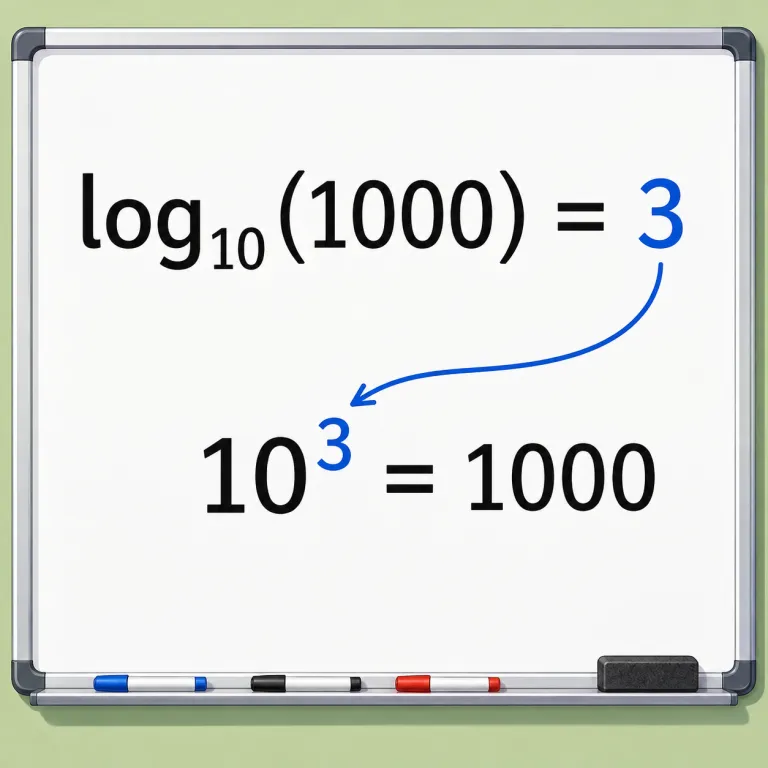
数学において、ある数を得るために基数を何乗する必要があるかを示す指数のことです。例えば、10を底とする1000の対数は3です。科学や工学の計算で広く使われる重要な概念です。
A logarithm is a mathematical value that shows what power a number must be raised to in order to get another number. It is often used in math, science, and computing to work with very large or very small numbers more easily. The word is mainly used in technical or academic contexts.
覚え方のコツ Memory Tip
電卓の log ボタンの正式名が logarithm。まず「log=対数」と短縮形ごと覚えると実戦で強いです。後半の -arithm は arithmetic(算数・計算)と同じ数・計算の仲間なので、「数をどう作るかを計算で見る語」とつなげると残りやすいです。対数は値そのものではなく“何乗したか”を返すのが核心。log base 10 や natural logarithm で見かけやすく、algorithm とつづりが少し似るので混同注意。
Start with the calculator button: `log` is the short form you will often see in real life. The second part, `-arithm`, is related to `arithmetic`, so think of it as a math word about numbers and calculation. Also be careful: `logarithm` looks a bit like `algorithm`, but they are different words.
例文
The logarithm of 1000 to the base 10 is 3.
10を底とする1000の対数は3です。
Scientists use logarithms to handle very large numbers.
科学者は非常に大きな数を扱うために対数を使用します。
Understanding logarithms is essential in calculus.
対数の理解は微積分において不可欠です。
logarithm の類義語・関連語
派生語
logarithm の語源・成り立ち Etymology
logarithm はギリシャ語 logos「比・計算」+ arithmos「数」から成る新ラテン語 logarithmus 由来です。だから対数はただの記号でなく「数の比を扱うもの」で、logic や arithmetic と並べると、掛け算を足し算に変える発想の芯が見えます。
Logarithm comes from New Latin logarithmus, built from Greek logos and arithmos. In this word, logos meant something like "ratio" or "reckoning," and arithmos meant "number." The name was created for a mathematical idea about numbers and ratios, and related English words include logic and arithmetic.
同じレベルの語彙をもっと
外部辞書で調べる
この英単語をクイズで覚えよう