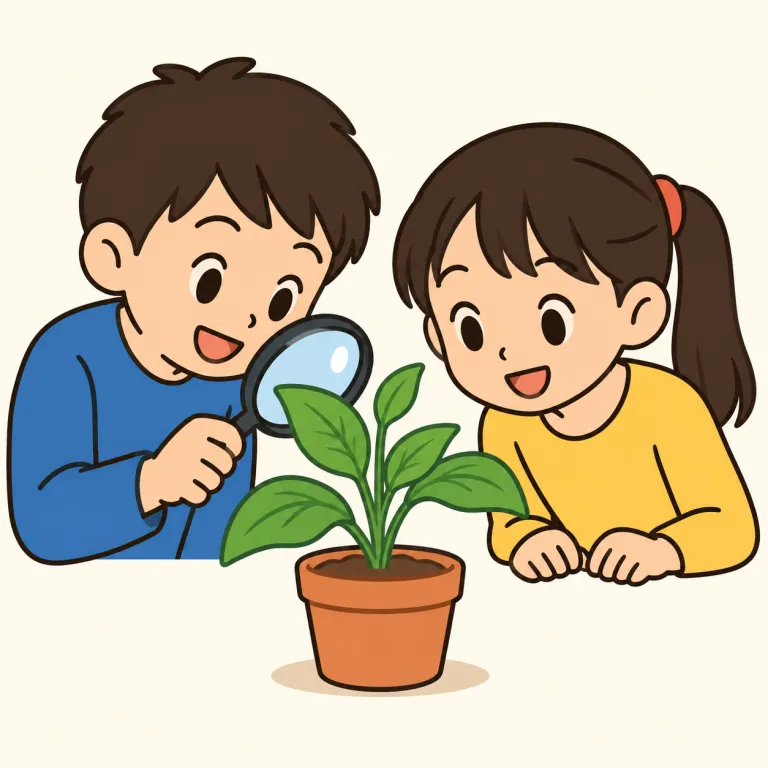
観察する
解説 Definition
observing は observe(観察する、注意して見る)の現在分詞・動名詞です。人や物事の様子をよく見て記録したり、変化に気づこうとしたりする場面で使います。
Observing is the present participle or gerund of observe. It describes watching a person, object, or process carefully in order to notice, study, or record its features and changes.
覚え方のコツ Memory Tip
observe「注意して観察する」の語末の e を落として -ing を付けた現在分詞・動名詞で、-ing は /ɪŋ/ と発音する。be observing なら「観察している」、Observing plants のように主語にすれば「観察すること」。単に一目見る see より、変化や特徴に注意を向けて継続的に見る感覚を覚える。
Connect observing directly to observe: remove the final silent e and add -ing, with the ending pronounced /ɪŋ/. In “The students are observing the plants,” it forms a continuing verb phrase; in “Observing small changes is important,” it works as a gerund naming the activity. Picture a scientist watching carefully and recording details over time. This separates observing from simply seeing something: seeing may happen automatically, while observing normally involves deliberate attention to features, behavior, or change.
例文
The students are observing the plants.
生徒たちは植物を観察しています。
She is observing the birds quietly.
彼女は静かに鳥を観察しています。
Observing small changes is important in science.
科学では小さな変化を観察することが大切です。
observing の類義語・関連語
類義語
対義語
紛らわしい語
observing の語源・成り立ち Etymology
ラテン語 observare(見守る、注意する)から。ob-(~に向かって)+ servare(守る、見張る)で「注意を向けて見張る」が原義。科学的観察も法の遵守(observe the law)も同じ語源。関連語: observation(観察)、preserve(保存する)。
Observing is formed from observe by dropping the final silent e and adding -ing. Observe entered English through French from Latin observare, meaning “watch, heed, or attend to.” It combines ob-, suggesting direction toward, with servare, “to keep, preserve, or watch.” The same verb later developed uses involving both careful watching and compliance, as in observe a rule, while the examples here use only the visual, investigative sense.
同じレベルの語彙をもっと
外部辞書で調べる
この英単語をクイズで覚えよう