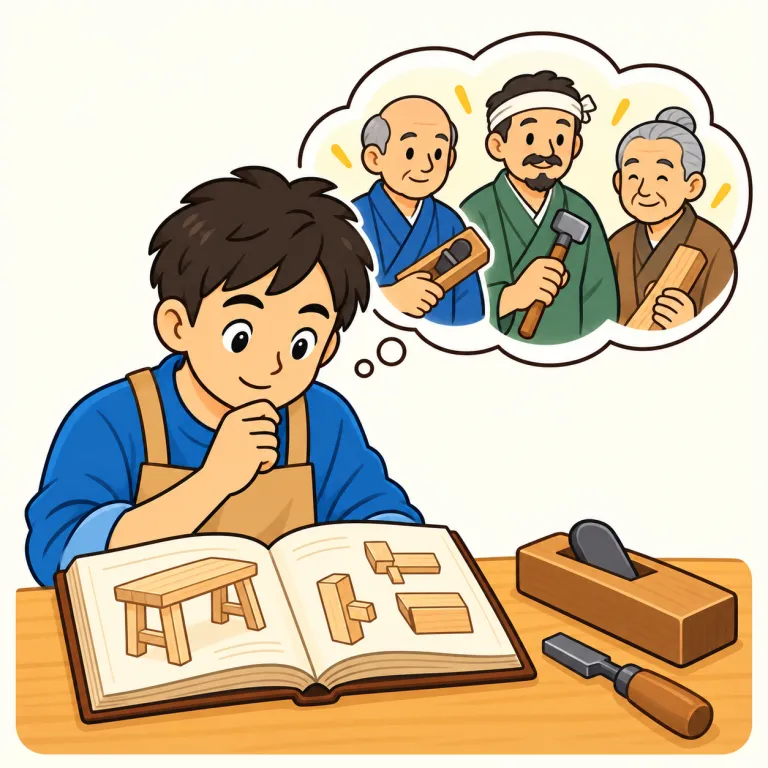
先人たち
解説 Definition
predecessors は predecessor(前任者、先人)の複数形です。現在の人より前に同じ地位や役割を担った人々、または同じ分野で後に続く人々に影響を与えた先人たちを指します。
Predecessors are people who held particular positions or performed particular roles before the current holders. The word can also refer to earlier practitioners whose work, achievements, or experience influenced those who followed them.
使い方 Usage
使い分け Common distinctions
- ancestors は血縁上の祖先を指しますが、predecessors は同じ役割や分野で先に活動した人々で、血縁は必要ありません。 Ancestors are family forebears. Predecessors came before someone in a role or field and need not be related by family.
覚え方のコツ Memory Tip
pre-「前に」を手掛かりに、「自分より前に同じ役割を担った人々」と覚えましょう。predecessor に -s を付けた複数形です。
Use pre-, meaning “before,” as a cue for people who came before you in the same role or field. Predecessors is predecessor with the plural ending -s.
例文
We learned a lot from our predecessors.
私たちは先人たちから多くを学びました。
Her predecessors built a strong team.
彼女の前任者たちは強いチームを築きました。
The new designers studied the work of their predecessors.
新しいデザイナーたちは先人たちの仕事を研究しました。
predecessors の類義語・関連語
predecessors の語源・成り立ち Etymology
ラテン語 prae-(前に)+ dēcēdere(去る・退く)から praedecessor が生まれた。「前に去った人」=「先任者」が原義。同根語に decease(死去)や precede(先行する)がある。dēcēdere の cēdere(行く)は cede(譲る)にも繋がり、「先に道を譲った人々」という意味が見える。
Predecessor comes from Latin praedecessor, literally someone who went away or departed before another. It combines prae-, “before,” with decedere, “to withdraw or depart,” itself containing cedere, “to go or yield.” English received the word through French and Latin usage. The final -s forms the plural predecessors, referring to two or more earlier holders of a role or earlier members of a tradition.
同じレベルの語彙をもっと
外部辞書で調べる
この英単語をクイズで覚えよう