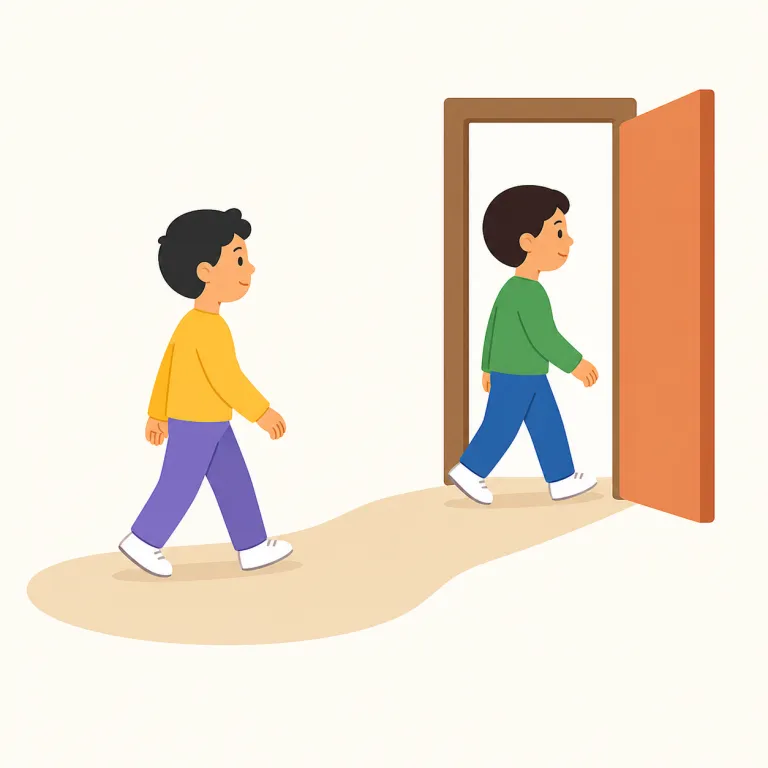
precede
precede は英検準1級・TOEIC 860・TOEFL 80・IELTS 6.5レベルの英単語で、「先行する」という意味があります。発音記号は /prɪˈsiːd/ です。
先行する
解説 Definition
時間的または順序的に先に進む、または先立つこと。何かが別のものより前に起こる。
Precede means to come before something in time, order, or position. It is used when one event, action, or person happens or appears earlier than another. The word is common in formal writing and explanations.
覚え方のコツ Memory Tip
pre- が「前」という感覚をまず固定し、precede は「前に出る→先に来る」とまとめて覚えると取り回しやすい語です。よく出る形は precede A「Aに先立つ」で、follow の逆向きだと整理すると記憶に残ります。時間にも順序にも使え、The speech preceded dinner. なら「夕食の前にスピーチがあった」。似た形の proceed は「そのまま進む」、previous は単なる「前の」なので区別すると混乱しにくいです。
Use the prefix `pre-`, which means `before`. If something `precedes` another thing, it comes before it in time or order. It helps to remember it as the opposite of `follow`, and not confuse it with `proceed`.
例文
The opening ceremony precedes the main event.
開会式がメインイベントに先行する。
Breakfast precedes lunch in the daily schedule.
日常のスケジュールでは朝食が昼食に先行する。
The introduction precedes the main chapter.
序文が本編に先立つ。
precede の類義語・関連語
precede の語源・成り立ち Etymology
precede は中世フランス語を経てラテン語 praecedere に由来し、prae-「前に」+ cedere「行く」から成ります。語の中心像は「前へ行く」で、そこから時間や順序で「先行する」の意味になりました。関連語は precedent、predecessor。
Precede came into English through French from Latin praecedere. It is made from prae-, meaning "before," and cedere, meaning "to go." The original image is "go before," which became the sense of coming earlier in time, order, or position. Related words include precedent and predecessor.
同じレベルの語彙をもっと
英検準1級の一覧へ →外部辞書で調べる
この英単語をクイズで覚えよう