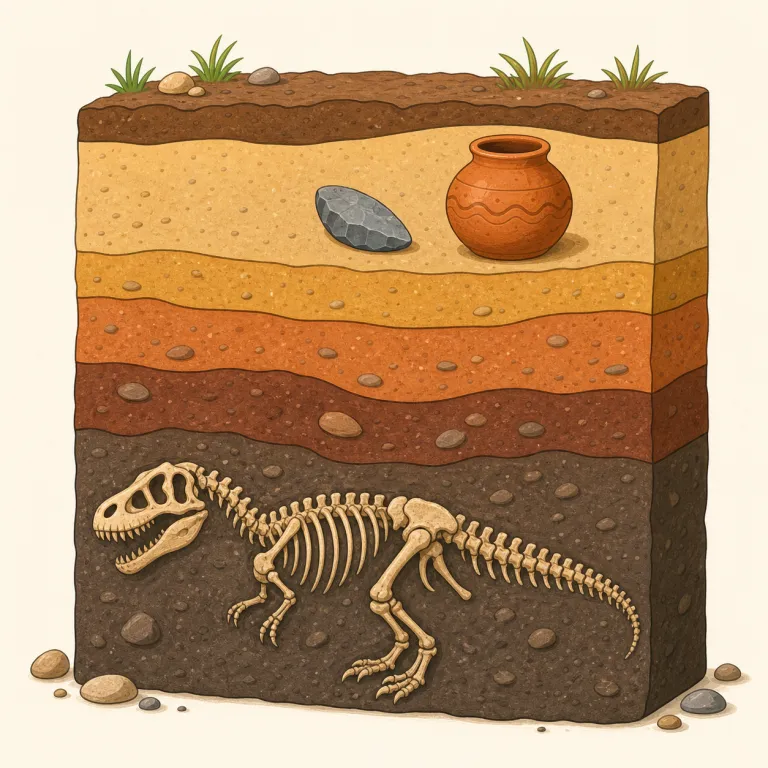
実際より前の日付を付ける
verb 動詞小切手や契約書などに、実際に作成した日より前の日付を記入することを表す。他動詞として文書を目的語に取り、時間的に先に存在するという既存語義とは異なる。
何かが他のものより前に起こったり、存在したりすること。時間的に先に行われる状態です。
To predate something means to exist, happen, or be made before it. It is often used in history, science, and formal writing when comparing the time of two things. This verb is more formal than simply saying "come before."
`pre-` が付く語は「前」の感覚を持つものが多く、`preview` `prepaid` などと同じ向きで捉えると覚えやすいです。`date` が見えるので、「ある出来事の日付より前にある」と考えると意味が取りやすくなります。`postdate` が「後になる」の対になる語。文では "This temple predates the city." のように、建物・制度・習慣などが別のものより古いと述べる場面でよく使います。単に old と言うより、「何より前から存在していた」という比較の感覚が核です。
`Pre-` often means "before," as in `preview` or `prepaid`. So `predate` means something comes before another thing in time or date. Think of it as the opposite of `postdate`.
The dinosaurs predate human existence by millions of years.
恐竜は人間の存在より何百万年も前に存在していました。
This tradition predates the modern era.
この伝統は近代以前から続いています。
The building predates the nation's founding.
その建物は建国以前のものです。
文脈によって、次の意味でも使われます。
小切手や契約書などに、実際に作成した日より前の日付を記入することを表す。他動詞として文書を目的語に取り、時間的に先に存在するという既存語義とは異なる。
predate は pre-「前に」+ date「日付」で、date はラテン語 datum「与えられたもの」にさかのぼります。postdate や data も近い仲間で、「ある日付より前に置く」と考えると、時間的に先行する意味が自然に見えてきます。
Predate is built from pre- "before" and date. Date came into English through Latin datum, originally meaning "something given," because a written date was something formally given or recorded. The idea developed from "put an earlier date on" to the wider sense of being earlier than something else. Related words include postdate and data.
この英単語をクイズで覚えよう