predicate
predicate は英検1級・TOEFL 80・IELTS 6.5レベルの英単語で、「述語、~を前提とする、~に基づかせる」という意味があります。発音記号は /ˈprɛdɪkət/ です。
意味一覧 (2件)
述語
解説 Definition
文の中で、主語について「どうする」「どんなだ」「何である」などを説明する部分です。たとえば「鳥が飛ぶ」では、「飛ぶ」が述語にあたります。
A predicate is the part of a sentence that says something about the subject. It often includes a verb.
覚え方のコツ Memory Tip
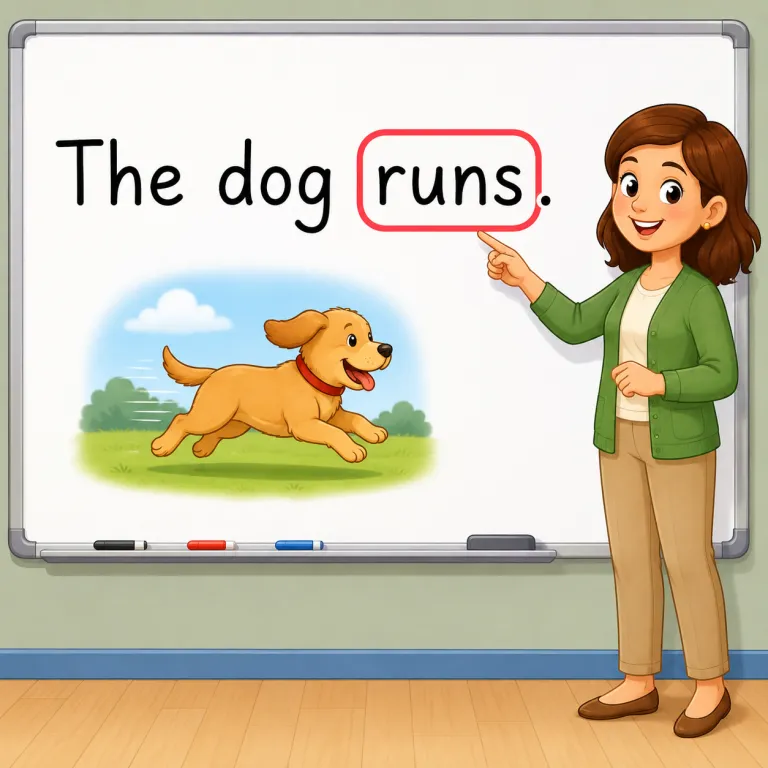
predicate は文法用語の「述語」で、主語について何をするか、どんな状態か、何であるかを述べる側と覚える。文を subject「主語」+predicate「主語について述べる部分」の二箱に分ける図が有効。「The dog runs.」なら The dog が主語、runs が述語になる。find the subject and the predicate「主語と述語を見つける」は頻出の指示文。長い文では述語が動詞だけでなく、その後の目的語や補語などを含むこともあるため、「主語以外で主語を説明する部分」と押さえると分析しやすい。
Think of the predicate as the part that tells what the subject does or is.
例文
In the sentence "The dog runs," "runs" is the predicate.
「その犬は走る」という文では、「走る」が述語です。
Find the subject and the predicate in this sentence.
この文の主語と述語を見つけなさい。
A simple predicate usually contains a verb.
単純な述語には、ふつう動詞が含まれます。
~を前提とする、~に基づかせる
(意味 2)
解説 Definition
predicate は、ある判断や主張、計画などを特定の事実・前提・条件の上に成り立たせることを表す動詞です。とくに predicate A on B の形で、「AをBに基づかせる」「AをBを前提にする」という意味で使われます。
To predicate something on something else means to base it on that thing or make it depend on it. It is often used in formal writing when talking about plans, ideas, or arguments. This verb is more common in academic, legal, and business contexts.
覚え方のコツ Memory Tip
predicate は文法の「述語」で見たことがあると結びつけると覚えやすいです。述語が主語について何かを述べる部分なら、動詞 predicate は「主張・判断・計画を、ある前提について述べる形に置く」感覚になります。特に predicate A on B で「AをBという土台に置く」。base A on B と近いものの、predicate のほうが「その前提が崩れると話全体も危うい」という硬い響きがあります。argument, policy, claim と相性がよく、predict(予測する)との混同に注意。
If you know predicate from grammar, use that as your memory hook: it is the part built on the subject. As a verb, predicate means to base an idea or claim on some condition or fact. The pattern predicate A on B is especially useful: A rests on B.
例文
The lawsuit is predicated on evidence of negligence.
その訴訟は過失の証拠を前提としている。
His argument is predicated on the assumption that inflation will rise.
彼の議論は、インフレ率が上昇するという仮定に基づいている。
The plan was predicated on strong consumer demand.
その計画は、力強い消費者需要を前提としていた。
predicate の類義語・関連語
類義語
派生語
predicate の語源・成り立ち Etymology
ラテン語の praedicare に由来し、「人前で言う」「述べる」という意味がありました。文の中で主語について述べる部分を表す言葉として使われるようになりました。
Predicate comes from Latin praedicare, meaning "to say publicly" or "to declare." In grammar, it became the word for the part of a sentence that says something about the subject.
同じレベルの語彙をもっと
英検1級の一覧へ →外部辞書で調べる
この英単語をクイズで覚えよう