基礎とする、前提とする
verb 動詞主張や制度などが、ある事実・条件を前提または基礎として成り立つことを表す。多くは be predicated on/upon ... の受け身形で使われ、「…に基づいている」という意味になる。
predicates はTOEFL 80・IELTS 6.5レベルの英単語で、「述語」という意味があります。発音記号は /ˈprɛdɪkəts/ です。
文法では、文の中で主語について動作・状態・性質を述べる部分を指す。論理学では、ある対象にどんな性質が成り立つかを表す述語論理上の表現もいう。単語だけでなく句や節になることもあり、文構造や論理式の理解で重要な役割を果たす。
Predicates are the parts of sentences that say something about the subject, such as what the subject does, is, or has. In grammar, the predicate usually includes the verb and related words. The term is mostly used in language study and grammar explanation.
`predicate` は `subject` の相方として覚えると強い。文法書で `subject and predicate` が定番で、主語に対して「何をする/どんな状態か」を述べる側が predicate。まず「主語について何かを言うまとまり」と置くと、動詞そのものより広く、補語まで含むことがある点も整理しやすい。`verb` と完全一致しないので混同注意。論理では `x is red` の `is red` のように、対象に性質を当てる表現も predicate。複数の述語を並べる説明では `predicates` の形でよく現れる。
Remember `predicate` as the partner of `subject`; the pair `subject and predicate` is the classic grammar hook. A predicate is the part that says something about the subject. That also helps you avoid mixing it up with just `verb`, because a predicate can be larger than one verb.
In traditional grammar, predicates tell us what the subject does or is.
伝統文法では、述語は主語が何をするか、どのような状態かを示す。
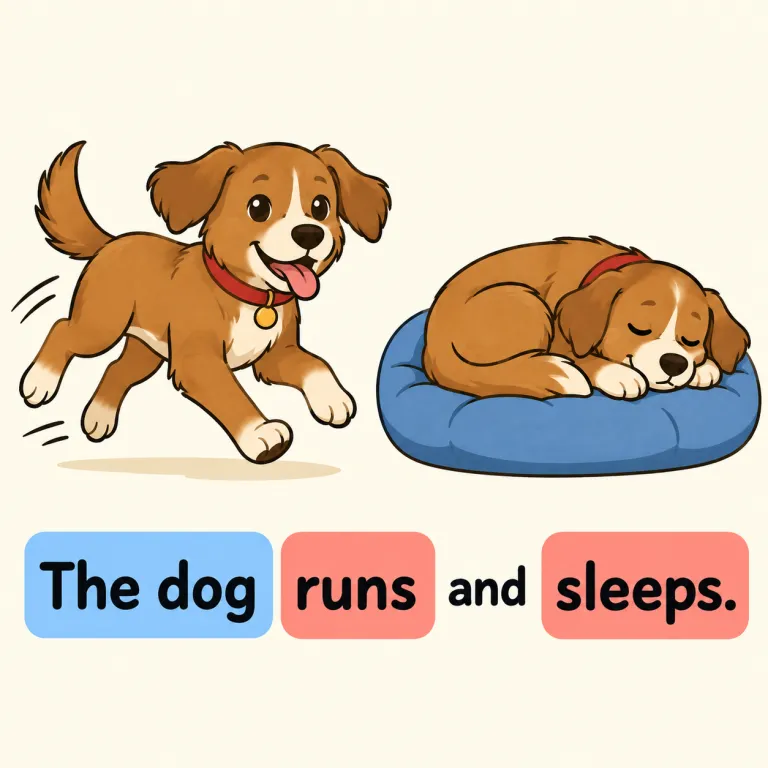
The two predicates in the sentence are joined by "and."
その文の二つの述語は「and」で結ばれている。
In predicate logic, predicates describe properties of objects.
述語論理では、述語は対象の性質を表す。
文脈によって、次の意味でも使われます。
主張や制度などが、ある事実・条件を前提または基礎として成り立つことを表す。多くは be predicated on/upon ... の受け身形で使われ、「…に基づいている」という意味になる。
predicates はラテン語 praedicatum「言明されたこと」に由来し、prae-「前へ」+ dicare / dicere 系「言う」から成ります。つまり「主語について言い表す部分」というのが原義で、文法の「述語」にそのままつながります。関連語は predict, diction。
Predicates comes from predicate, from Latin praedicatum, meaning something "said about" a subject. It is related to Latin parts meaning "before" and "say." The word kept that idea in grammar: the predicate is the part that says something about the subject; predict and diction are related words.
この英単語をクイズで覚えよう