cue
cue は英検2級・TOEIC 990・TOEFL 100・IELTS 7.5レベルの英単語で、「合図、キュー」という意味があります。発音記号は /kjuː/ です。
意味一覧 (2件)
合図
解説 Definition
人に、ある動作を始める時機を知らせる言葉・動き・音などの合図。舞台や音楽だけでなく、次の行動を促すきっかけにも用いる。
A cue is a word, movement, sound, or other signal that tells someone when to begin an action. It can also be an event that prompts the next action.
覚え方のコツ Memory Tip
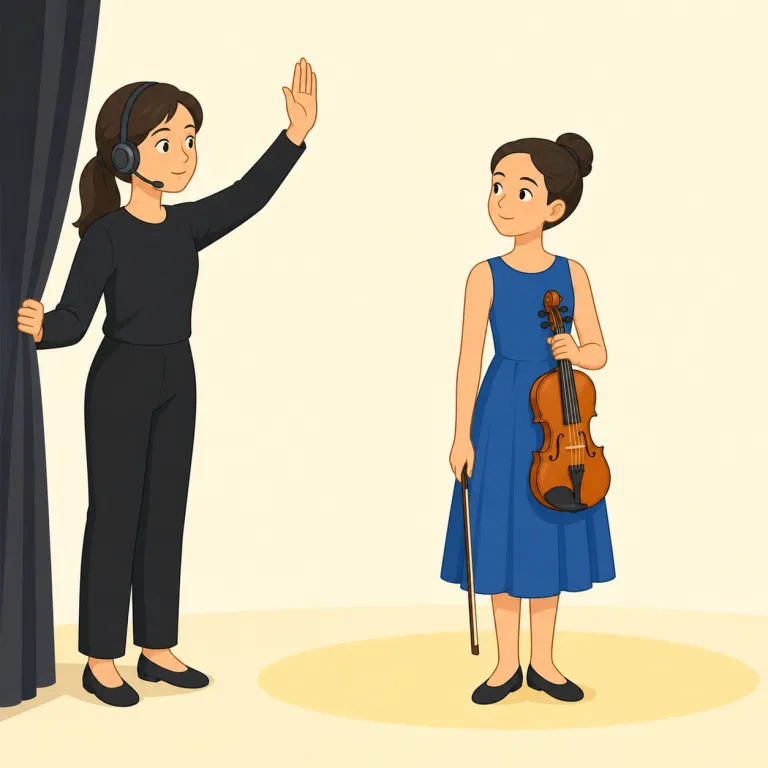
cue は、人が動き始めるべき時機を知らせる言葉・動き・音などの「合図」です。give someone a cue to do や be the cue for someone to do の形がよく使われます。舞台袖の監督が合図を出し、俳優が登場する瞬間を思い浮かべると、この語義を思い出せます。
Picture an actor waiting for the small signal that means “Now.” That signal is a cue. Do not confuse cue with queue, a line of people or things.
例文
The director gave the actors their cue to enter.
監督は俳優たちに登場の合図を出した。
Her raised hand was the cue for the musicians to begin.
彼女が上げた手が、演奏者たちの開始の合図だった。
That announcement was our cue to leave.
そのアナウンスが、私たちが立ち去る合図だった。
えいたんごクイズでの正答率
この語をはじめて出題された 56人 のうち 53人 が正解しました(95%)。
えいたんごクイズの回答から集計した独自データです。1人につき最初に出題されたときの1回だけを数えており、復習や2回目以降の回答、「わからない」と時間切れは含みません。 集計時点は 2026年9月19日 です。
キュー
(意味 2)
解説 Definition
ビリヤードやスヌーカーで、球を突くために使う細長い棒。
A cue is the long, narrow stick used to strike balls in billiards, pool, or snooker.
覚え方のコツ Memory Tip
cue はビリヤードやスヌーカーで球を突く細長い「キュー」です。hold the cue、strike the ball with a cue、put the cue in the rack のように使います。同じつづりには行動開始の「合図」という意味もありますが、ここではテーブル上で球を突く棒そのものを思い浮かべましょう。
Picture the long stick held by a pool player. In this sense, a cue is a piece of playing equipment, not a signal to begin.
例文
He held the cue lightly before taking the shot.
彼はショットを打つ前にキューを軽く握った。
She placed the cue back in the rack after the game.
彼女は試合後、キューをラックに戻した。
A damaged tip can make the cue difficult to control.
先端が傷んでいると、キューを扱いにくくなることがある。
cue の類義語・関連語
cue の語源・成り立ち Etymology
この意味の cue の語源は確定していません。有力な説明では、役者の台本で出番を示した q または qu(ラテン語 quando「いつ」の略)から発達したとされます。
The origin of this sense is uncertain. One widely cited explanation connects it with q or qu, an abbreviation of Latin quando, “when,” formerly used to mark an actor's entrance in a script.
同じレベルの語彙をもっと
英検2級の一覧へ →外部辞書で調べる
この英単語をクイズで覚えよう