再生位置を合わせる、再生準備をする
verb 動詞音源や映像を、指定した瞬間に再生できるよう開始位置に合わせて待機させる用法。cue a trackやcue a videoの形で放送・舞台・DJなどの現場に使い、単に人へ合図を送る意味とは異なる。
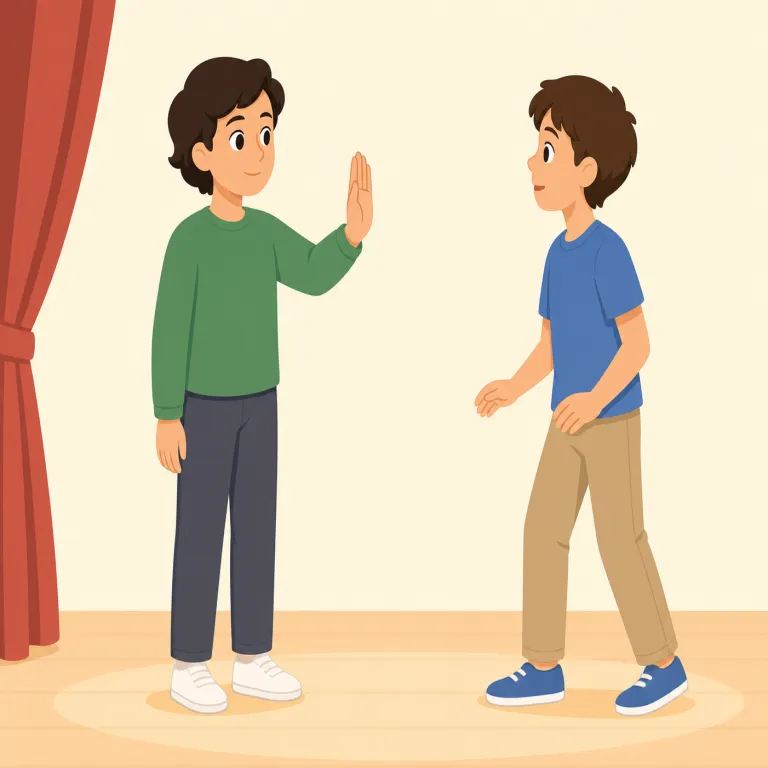
cueing はTOEIC 990・TOEFL 100・IELTS 7.5レベルの英単語で、「合図を出す」という意味があります。発音記号は /ˈkjuːɪŋ/ です。
cueing は動詞 cue の ing 形で、人に動作や演奏を始める合図を出すことを表します。舞台監督や指揮者が「今、始めて」と促す場面を思い浮かべると覚えやすくなります。
cue someone to do ... で「人に…する合図を出す」。進行形では is cueing the actors to enter のように使います。
The stage manager is cueing the actors to enter.
舞台監督は俳優たちに登場の合図を出しています。
cueing は動詞 cue の ing 形で、合図や指示を出して、誰かに行動の開始や次の動きを促すことを表します。視覚・音・身ぶりなどによる合図に使えます。
Cueing means giving a signal, prompt, or instruction that tells someone when to begin or what to do next. It is commonly used in performances, conversations, sports, and media production.
cue を「開始のきっかけになる合図」として覚えましょう。舞台監督や指揮者の合図で次の動きが始まる場面を思い浮かべると、cueing は「その合図を出すこと」とつながります。
Remember cue as a signal to begin. Picture actors or musicians starting their next action after a signal from a stage manager or conductor; cueing is giving that signal.
The stage manager is cueing the actors to enter.
舞台監督は俳優たちに登場の合図を出しています。
The conductor was cueing the musicians with her left hand.
指揮者は左手で演奏者たちに合図を出していました。
文脈によって、次の意味でも使われます。
音源や映像を、指定した瞬間に再生できるよう開始位置に合わせて待機させる用法。cue a trackやcue a videoの形で放送・舞台・DJなどの現場に使い、単に人へ合図を送る意味とは異なる。
ビリヤードでキューを使って球を突く、または狙いを定めてキューを動かすことを表す。cue the ballなどの形で使われ、人や演者に開始の合図を送る用法とは異なる。
cueing は cue「合図」に動作を表す -ing が付いた形で、cue は劇の台本で開始箇所を示した qu にさかのぼるとされる。語源の核はラテン語 quando「いつ」で、「いつ出るか」の印が今の「合図を出す」になった。関連語に when と who。
Cueing comes from `cue` plus the ending `-ing`. `Cue` is thought to come from the letter group `qu` used in old play scripts, probably short for Latin `quando`, meaning "when," to mark when an actor should speak. Over time, this idea of "when to begin" became the modern sense of giving or following a signal.
この英単語をクイズで覚えよう