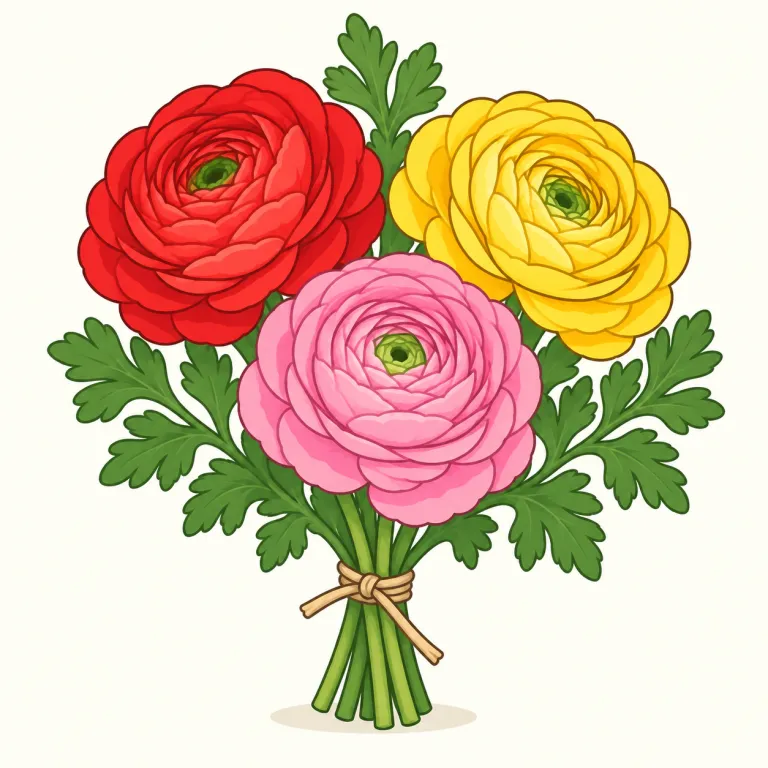
ラナンキュラス
解説 Definition
キンポウゲ属の草本植物。園芸品種には鮮やかな色で花びらが幾重にも重なるものが多く、主に春から初夏に咲きます。
A ranunculus is a herbaceous plant of the genus Ranunculus, which includes buttercups and many cultivated varieties with brightly colored, densely layered flowers. Garden varieties commonly bloom in spring or early summer and are widely used in flower beds and bouquets.
覚え方のコツ Memory Tip
ラテン語の rana「カエル」に縮小辞が付いた「小さなカエル」が語源です。水辺に育つ仲間とカエルを結び付け、園芸での姿は薄い花びらが幾重にも重なる花として覚えます。
The Latin source is a diminutive of rana, meaning frog. Link the “little frog” with members of the group growing near water, and picture cultivated flowers with many layers of thin petals.
例文
Ranunculus flowers are popular in spring bouquets.
ラナンキュラスの花は春のブーケで人気があります。
She grows ranunculus in her flower bed.
彼女は花壇でラナンキュラスを育てています。
ranunculus の類義語・関連語
ranunculus の語源・成り立ち Etymology
ラテン語 rana(カエル)に縮小辞 -unculus がついた「小さなカエル」が語源。水辺に自生することからこの名がついた。関連語:ranine(カエルの)。湿地を好む花にカエルの名が残っている。
English ranunculus comes from Latin ranunculus, literally “little frog,” a diminutive formed from rana, “frog.” The botanical name is traditionally associated with the damp or waterside habitats of many species in the genus. Ranunculus became the scientific genus name for a large group in the buttercup family. The related adjective ranine means “of or resembling a frog,” although it is uncommon in everyday English.
同じレベルの語彙をもっと
外部辞書で調べる
この英単語をクイズで覚えよう