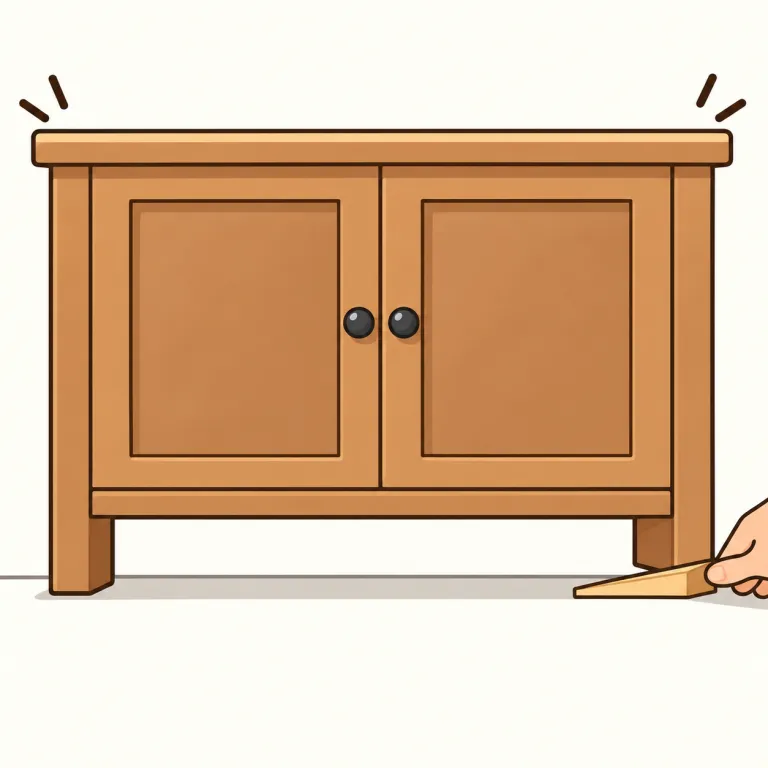
シム
解説 Definition
部品の間に差し込み、隙間を埋めたり位置・高さを微調整したりする薄い詰め物(シム)。コンピューター分野では、異なるソフトウェア間の互換性を補う小さな中間層を指す。
A shim is a thin piece of material inserted between parts to fill a gap, adjust alignment, or provide support. In computing, it is a small compatibility layer that allows software components with different interfaces or expectations to work together.
覚え方のコツ Memory Tip
shim は機械では部品の隙間に差し込んで位置や高さを微調整する薄い詰め物です。ITでは既存の仕組みの間に入り、互換性の差を埋める小さな中間層を指します。どちらも「gap を埋めて fit させる」という共通像で、insert a shim、compatibility shim の組み合わせを覚えましょう。
Remember a shim as something small placed between two things so they fit or work together. In mechanics, a thin metal, wood, or plastic shim can level a surface, correct alignment, or fill unwanted space. In computing, the same physical image becomes a metaphor: a compatibility shim sits between software components and translates or supplies what one side expects. Useful combinations include insert a shim, leveling shim, and compatibility shim. Unlike a wedge, a shim is typically thin and intended for fine adjustment rather than forceful splitting.
例文
The carpenter placed a shim under the cabinet to make it level.
大工はキャビネットを水平にするため、その下にシムを入れました。
A thin metal shim keeps the two parts properly aligned.
薄い金属製のシムが二つの部品を正しい位置に保ちます。
The program uses a compatibility shim to run on the older system.
そのプログラムは古いシステム上で動作するために互換性シムを使用します。
shim の類義語・関連語
類義語
shim の語源・成り立ち Etymology
語源不詳だが、18世紀頃の英語に現れた語で、隙間を埋める薄い詰め物を意味する。ドイツ語 Schimme(薄板)との関連が指摘される。IT分野では互換性を補う中間層の意味でも使われ、「隙間を埋める」という原義が技術用語に転用された好例。
Shim has been used in English since around the eighteenth century for a thin piece placed in a gap, but its exact origin is uncertain. A possible connection with a Germanic word for a thin strip or plate has been suggested, though it is not firmly established. The computing sense is a modern metaphor: a small software layer fills a functional “gap” between otherwise incompatible components.
同じレベルの語彙をもっと
外部辞書で調べる
この英単語をクイズで覚えよう