刈り取られた
解説 Definition
shorn は shear(刈る、切り取る)の過去分詞で、形容詞として「刈り取られた」という意味です。特に羊毛・髪・草などが短く切られた状態を表します。
Having had wool, hair, grass, crops, or a similar covering cut off, especially so that the surface is left short or bare. It is the past participle of “shear” used adjectivally.
覚え方のコツ Memory Tip
shorn は shear「刈る・切り取る」の不規則な過去分詞で、形容詞として刈られた後の状態を表します。shear–sheared–shorn または shear–shore–shorn を一組で覚え、shorn sheep、shorn hair、shorn field のように、毛・髪・作物がなくなって短くむき出しになった姿を思い浮かべましょう。
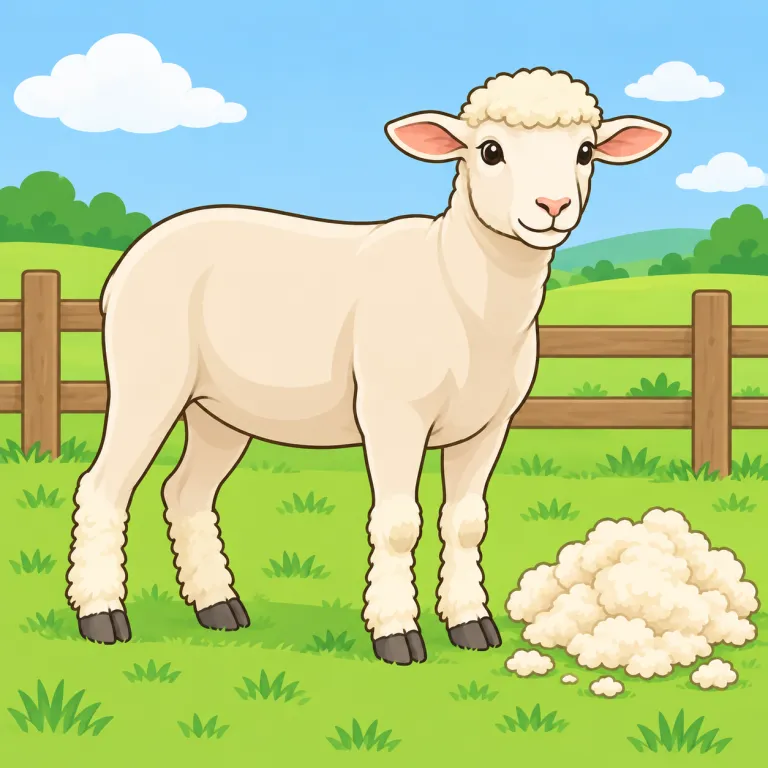
Shorn is an irregular past participle of shear, meaning “to cut off wool, hair, or a similar covering.” Learn the sequence shear–sheared–shorn; the older past form shore also occurs in shore–shorn. Picture a shorn sheep immediately after its fleece has been removed, or a shorn field after harvest: both look short, exposed, and bare. This image helps distinguish shorn from merely cut, since shorn usually emphasizes the removal of a covering from a person, animal, or surface.
例文
The shorn sheep stood quietly near the fence.
毛を刈られた羊が、柵の近くで静かに立っていました。
His shorn hair made him look much younger.
短く刈られた髪のせいで、彼はずっと若く見えました。
After the harvest, the shorn field looked wide and bare.
収穫の後、刈り取られた畑は広くむき出しに見えました。
shorn の類義語・関連語
shorn の語源・成り立ち Etymology
古英語scieran(切る、刈る)の過去分詞形。ゲルマン祖語*skeranąに遡り、「鋭利な道具で断つ」が原義。関連語にshear(刈る)、shears(大ばさみ)がある。羊毛を刈り取った状態を表し、転じて「奪われた・むき出しの」という比喩的意味も持つ。
Shorn is the inherited past participle of shear. It comes from Old English scoren, the past participle of scieran, “to cut or shear,” and ultimately from a Germanic root meaning “cut.” The same historical family produced shear and shears. Its older physical sense concerns cutting off wool or another covering; later uses extended the image to things stripped or deprived of something.
同じレベルの語彙をもっと
外部辞書で調べる
この英単語をクイズで覚えよう