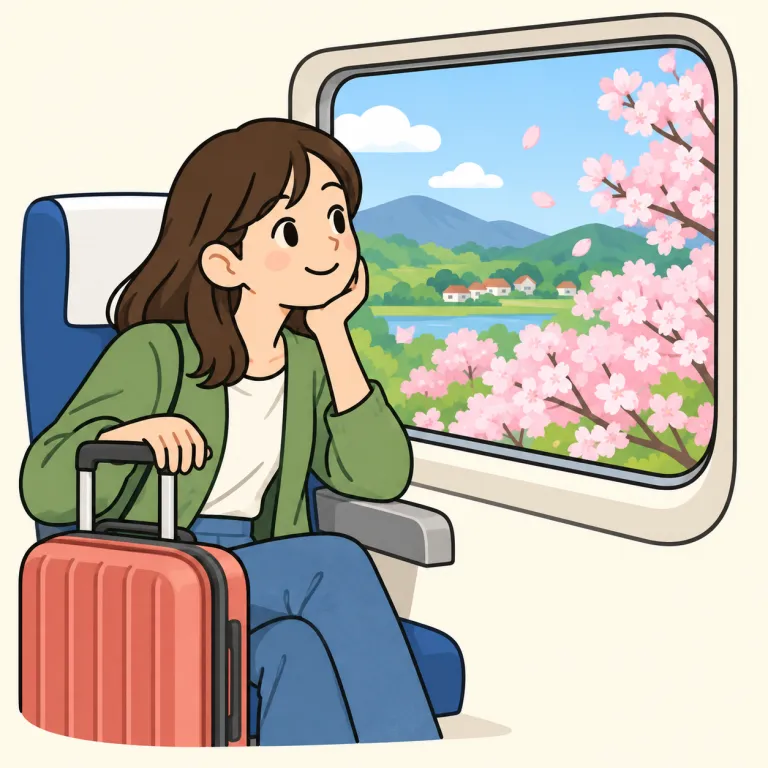
旅行中
解説 Definition
travelling は travel(旅行する)の現在分詞・動名詞です。イギリス英語でよく使われる綴りで、旅行していることや旅行する行為を表します。
The British spelling of the present participle and gerund of travel, describing the action or experience of making a journey or being away from home on a journey.
覚え方のコツ Memory Tip
原形 travel に -ing を付けた現在分詞・動名詞です。イギリス英語では語末の l を重ねて travelling、アメリカ英語では traveling が一般的で、どちらも発音は /ˈtrævəlɪŋ/ です。be travelling with family や like travelling by train の形で覚えましょう。
Connect travelling with the base verb travel. In standard British spelling, the final l is doubled before -ing, producing travelling; American English usually writes traveling with one l. The pronunciation is the same, /ˈtrævəlɪŋ/. Use it after be for an activity in progress, as in I am travelling with my family, or as a gerund naming the activity, as in She likes travelling by train. The spelling difference signals regional convention, not a difference in meaning.
例文
Travelling is fun in spring.
春に旅行するのは楽しいです。
I am travelling with my family.
私は家族と旅行中です。
She likes travelling by train.
彼女は電車で旅行するのが好きです。
travelling の類義語・関連語
travelling の語源・成り立ち Etymology
古英語 travaillen(苦労する)から。元はフランス語 travailler(働く・苦労する)で、さらにラテン語 trepalium(拷問器具)に遡る。tres(三)+ palus(杭)が語源で、旅が「苦行」だった時代の名残。関連語:travail(苦労)、travel。
Travel developed from Middle English travailen, borrowed from Old French travailler, which meant “to labor, toil, or suffer.” It is traditionally connected with Medieval Latin trepalium, a three-staked instrument associated with restraint or torment. The semantic path reflects the hardship once connected with journeys. Travelling is formed from travel plus -ing, with the final l doubled according to the usual British spelling convention.
同じレベルの語彙をもっと
外部辞書で調べる
この英単語をクイズで覚えよう