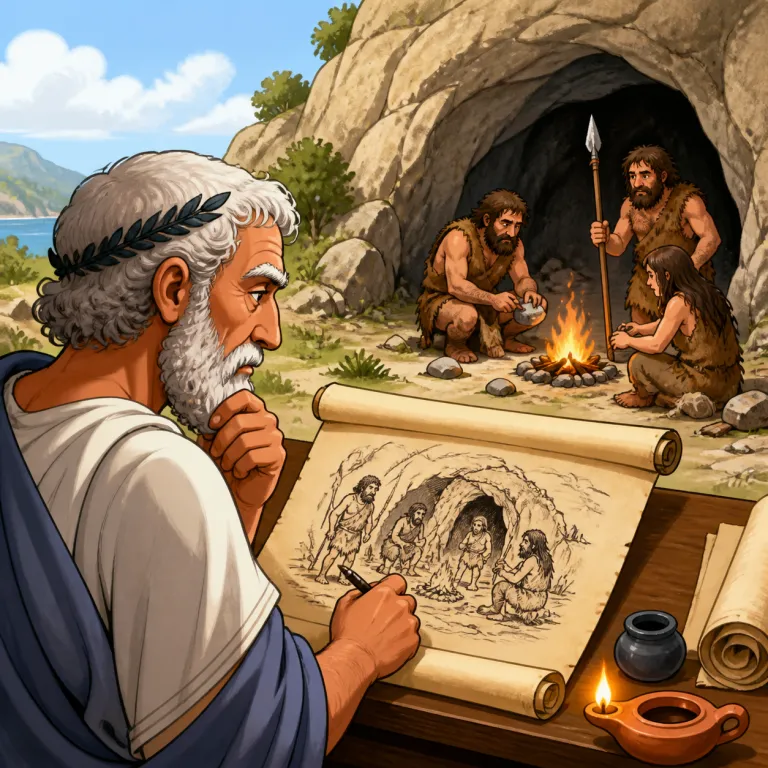
穴居人
解説 Definition
歴史的には洞窟に住む人々、またはそのように考えられた人々を指す語。英語では古典的・古風な表現で、現代の学術文脈ではほとんど用いられない。比喩的には、無教養で時代遅れだと見なした人を見下して呼ぶ場合もあり、侮蔑的に響くことがある。
Troglodytes originally means people who lived in caves or similar shelters. In modern use, it can also describe people in a humorous or insulting way as very old-fashioned, rough, or uncivilized. The meaning depends on the context.
覚え方のコツ Memory Tip
まず単数形の troglodyte を押さえ、troglodytes はその複数形だとセットで覚えると形が安定します。意味は日常的な caveman よりも古典的で硬い「穴居人」。さらに現代では、文明から取り残されたような「時代遅れの人」を皮肉って呼ぶこともあるので、「洞窟にこもって今に追いついていない人」という比喩イメージを重ねると残りやすいです。troglo- を見たら troglobite など洞窟・地下系の語を連想するのも有効です。
First remember the singular form `troglodyte`; `troglodytes` is just the plural. It is a more formal or old-fashioned word than `caveman`, so connect it with books, history, or satire. You can also remember the modern image of someone "still living in a cave," meaning very old-fashioned.
例文
Ancient writers described some cave dwellers as troglodytes.
古代の著述家は、一部の洞窟居住者を穴居人として描いた。
Calling people troglodytes today can sound insulting.
今日、人を troglodytes と呼ぶのは侮辱的に響くことがある。
The term troglodytes rarely appears in modern anthropology.
troglodytes という語は、現代人類学ではほとんど使われない。
troglodytes の類義語・関連語
troglodytes の語源・成り立ち Etymology
troglodytesはラテン語・ギリシャ語を経て、ギリシャ語trōglē「穴・洞穴」+dyein「入る」に由来します。語の形そのものが「穴に入る者」を表しており、そこから「穴居人」という意味になりました。関連語はtroglodyte、troglobiteです。
This word came into English through Latin from Greek. It is based on Greek trōglē, meaning "hole" or "cave," and dyein, meaning "to go in" or "enter," so it originally meant "people who go into caves." From that idea, it came to refer to cave-dwellers or very primitive people; related English words include troglodyte and troglobite.
同じレベルの語彙をもっと
外部辞書で調べる
この英単語をクイズで覚えよう