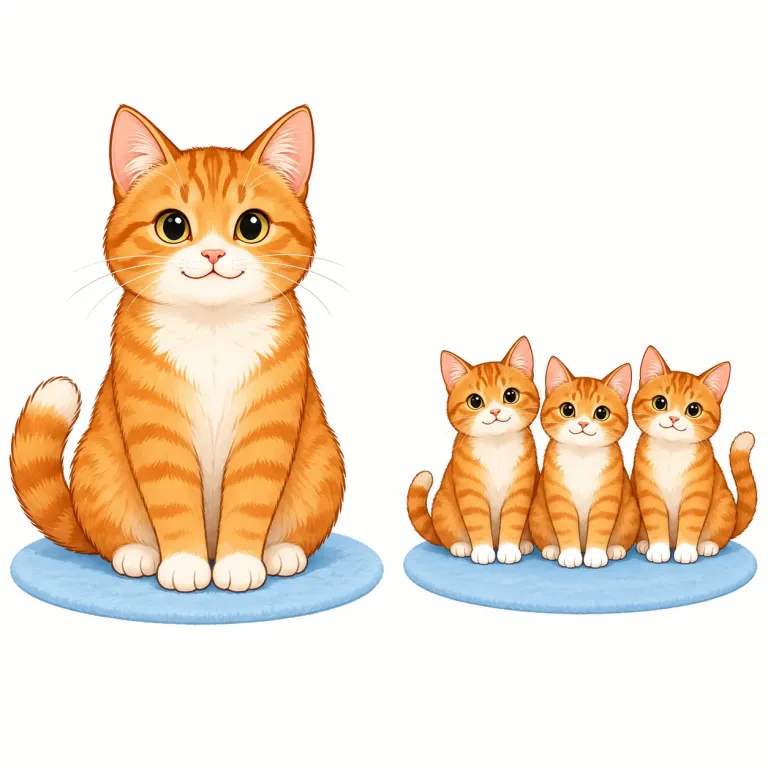
意味一覧 (2件)
単数の
解説 Definition
ものや人が1つ、または1人であることを表します。文法では、名詞や代名詞が「1つのもの」や「1人の人」を指す形を表します。
It means referring to one person or one thing. In grammar, it describes a noun, pronoun, or verb form used for one.
覚え方のコツ Memory Tip
singular は「一つ」を表す single と結び付け、文法上、一人・一個を指す形と覚えると定着しやすい語です。反対語 plural(複数の)と必ず対にし、cat が singular、cats が plural という最小の組で固定しましょう。singular noun(単数名詞)、singular form(単数形)、singular subject(単数主語)が頻出です。英語では主語が単数なら The dog runs. のように動詞との一致にも関係します。「a の後には singular noun」「主語が singular なら対応する動詞形」と構文ごと押さえると、単なる数字の一とは混同しにくくなります。
Connect singular with single. Both point to the idea of one.
例文
Use a singular noun after the word "a."
「a」の後には単数の名詞を使います。
The singular form of "cats" is "cat."
「cats」の単数形は「cat」です。
In this sentence, the subject is singular.
この文では、主語は単数です。
並外れた、特異な
(意味 2)
解説 Definition
周囲のものとはっきり異なり、独特で目立つ性質をもつことを表す形容詞。文脈によっては、ただ珍しいだけでなく、並外れて優れている、他にない個性や特徴を備えているという肯定的な含みで使われることも多い。人の才能、景色の美しさ、考え方の独自性などについて用いられる。
If something is singular, it is very unusual or different from what is normal. It stands out because it is special, remarkable, or one of a kind. This is a more formal use of the word.
覚え方のコツ Memory Tip
single を知っていれば覚えやすい語。singular は「一つだけ浮いて見える」感じから、普通と違って特異な・際立った、さらに文脈によっては「並外れて優れた」にも広がる。a singular talent, a singular beauty のように、珍しいだけでなく唯一無二の印象を出しやすい。なお名詞の前で使われやすく、文法用語では「単数」の意味もあるので、文脈でどちらかを見分ける。
Remember that `singular` can describe something that stands out alone, not just grammar. Think of phrases like `singular beauty` or `singular talent` in books and formal writing. If it sounds more admiring than `strange`, this meaning is often the right one.
例文
Her singular talent for music was recognized from a young age.
彼女の並外れた音楽の才能は、幼い頃から認められていた。
The singular beauty of the mountain landscape left tourists speechless.
その山の風景の並外れた美しさに、観光客は言葉を失った。
His singular approach to problem-solving set him apart from his peers.
彼はその独特な問題解決法によって、仲間たちの中でひときわ目立っていた。
singular の類義語・関連語
singular の語源・成り立ち Etymology
ラテン語で「1つずつの」「1つだけの」という意味の語に由来します。そこから、英語でも「1つである」「単数の」という意味で使われるようになりました。
Singular comes from Latin words meaning "one by one" or "single." The meaning developed into "relating to one" in English.
同じレベルの語彙をもっと
外部辞書で調べる
この英単語をクイズで覚えよう