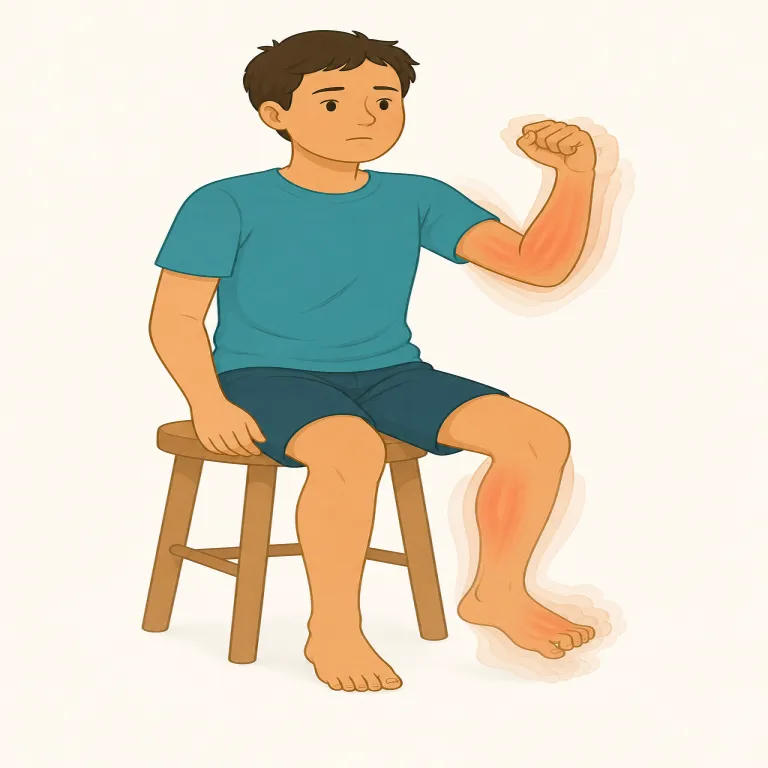
痙性の
解説 Definition
筋緊張が異常に高まり、筋肉が持続的にこわばって動かしにくくなる状態を表す医学的な形容詞です。脳性麻痺など、中枢神経系に関わる病態について使われます。人を直接表す用法は、特にイギリス英語では強い侮蔑表現になり得るため避けるべきです。
Spastic means relating to muscle spasms or tight, uncontrolled movement. It is mainly a medical word used to describe certain physical conditions. In some places, especially the UK, it has also been used as an insult, so it is often avoided in everyday speech.
覚え方のコツ Memory Tip
spasticity(痙性)と結び付け、筋緊張が高まって筋肉が持続的にこわばる状態を思い浮かべましょう。一時的なけいれんやぴくつきではなく、動かしにくさを伴う「痙性の」が意味の中心です。spastic muscles や spastic cerebral palsy とまとめて覚えると定着します。人を直接表す使い方は、特にイギリス英語では強い侮蔑表現になり得るため避けます。
The best hook is `spasm`, because both words share `spas-`. If you remember a spasm as sudden muscle tightening or jerking, `spastic` becomes easier to hold in memory. It is common in medical phrases, so connect it with muscles or body condition, not casual everyday speech.
例文
The patient's spastic muscles made walking difficult.
患者は筋肉が痙性を示していたため、歩くのが困難でした。
Spastic cerebral palsy affects muscle control and movement.
痙直型脳性麻痺は、筋肉の制御や運動に影響します。
Physical therapy can help manage spastic symptoms.
理学療法は、痙性症状の管理に役立つことがあります。
spastic の類義語・関連語
spastic の語源・成り立ち Etymology
spastic はラテン語 spasticus、さらにギリシャ語 spastikos「引っ張る・引きつらせる」に由来します。語根 spas- は「引く」で、筋肉が強く引かれてけいれんする感覚がそのまま語義です。関連語は spasm、spasmodic。
Spastic comes through Latin from Greek spastikos, meaning "drawing in" or "pulling." It is related to a root meaning "to pull" or "to jerk," which also appears in spasm. From that physical idea of muscles being pulled tight or jerking suddenly, spastic developed its medical sense. Related words include spasm and spasmodic.
同じレベルの語彙をもっと
外部辞書で調べる
この英単語をクイズで覚えよう