突発的な激発、一時的な高まり
noun 名詞感情や行動、社会的活動などが突然激しく起こり、短時間で収まることを比喩的に表す。a spasm of laughter や spasms of violence のように用い、持続的な状態ではなく発作的な高まりを示す。
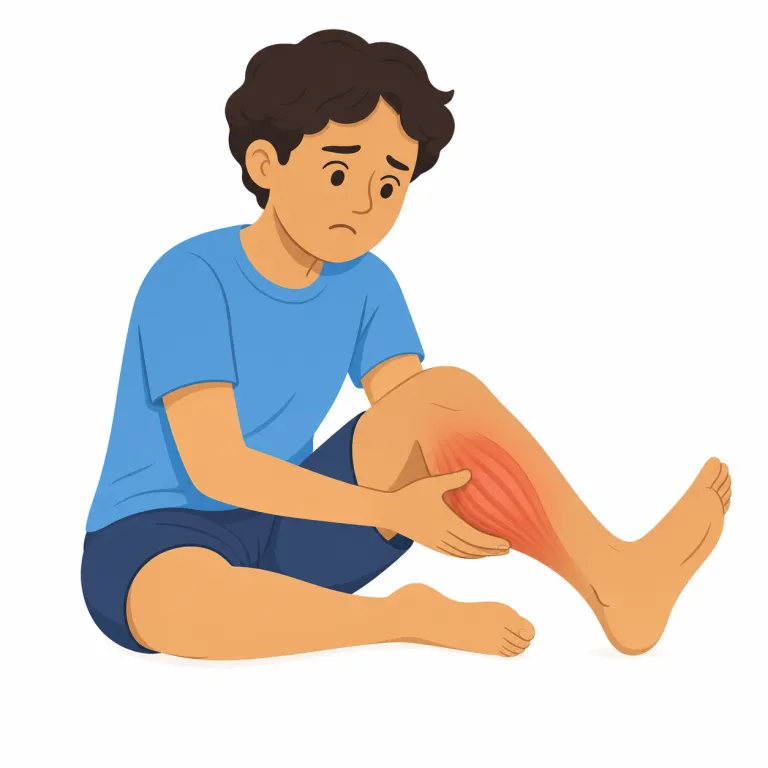
spasm は英検1級レベルの英単語で、「けいれん」という意味があります。発音記号は /ˈspæzəm/ です。
筋肉が急に収縮する現象。通常は不随意で短時間で終わり、しばしば痛みや激しい動きを伴う。神経の過敏性や疲労、冷えなどがきっかけとなりやすい。
A spasm is a sudden, short movement or tightening of a muscle that you cannot control. It is often used in medical or health contexts to talk about pain or body reactions. It can also mean a sudden brief burst of emotion or activity in a more general sense.
まず `muscle spasm` や `back spasm` の形で覚えると定着しやすい語です。ポイントは「自分の意思では止めにくい、急なひきつれ・ぴくっとした収縮」。長く続く痛み全般ではなく、突然起こる短い発作的な動きを思い浮かべるとよいです。関連語の `spasmodic` は「断続的でけいれん的な」、`spastic` も同じ仲間なので、`spasm` を核に“急で不規則な収縮”のイメージをまとめて持つと整理できます。`cramp` は「痛みを伴うこむら返り」の場面で出やすく、`spasm` のほうが医学的・動きの描写寄りです。
Learn `spasm` first in common pairs like `muscle spasm` or `back spasm`. The key memory image is a sudden movement your body does by itself, not a long steady pain. It also helps to compare it with `cramp`, which is often more about painful tightening.
The muscle spasm occurred suddenly during her workout.
筋肉のけいれんは彼女のワークアウト中に突然起こりました。
He experienced a painful spasm in his back.
彼は背中に痛みを伴うけいれんを起こしました。
The medication helped relieve the spasm.
その薬はけいれんの緩和に役立ちました。
文脈によって、次の意味でも使われます。
感情や行動、社会的活動などが突然激しく起こり、短時間で収まることを比喩的に表す。a spasm of laughter や spasms of violence のように用い、持続的な状態ではなく発作的な高まりを示す。
spasm はギリシャ語 spasmos「引きつれ・けいれん」に由来し、動詞 span「引っぱる」が核です。つまり筋肉が「強く引かれる」感じがそのまま意味になっており、spastic や spasmodic も同じ語根から来ています。
Spasm comes from Greek spasmos, meaning a pulling or convulsion. Its root is a verb meaning "to pull" or "to draw tight." The modern sense grew from the idea of muscles being suddenly pulled tight. Related English words include spastic and spasmodic.
この英単語をクイズで覚えよう