えいたんごクイズ
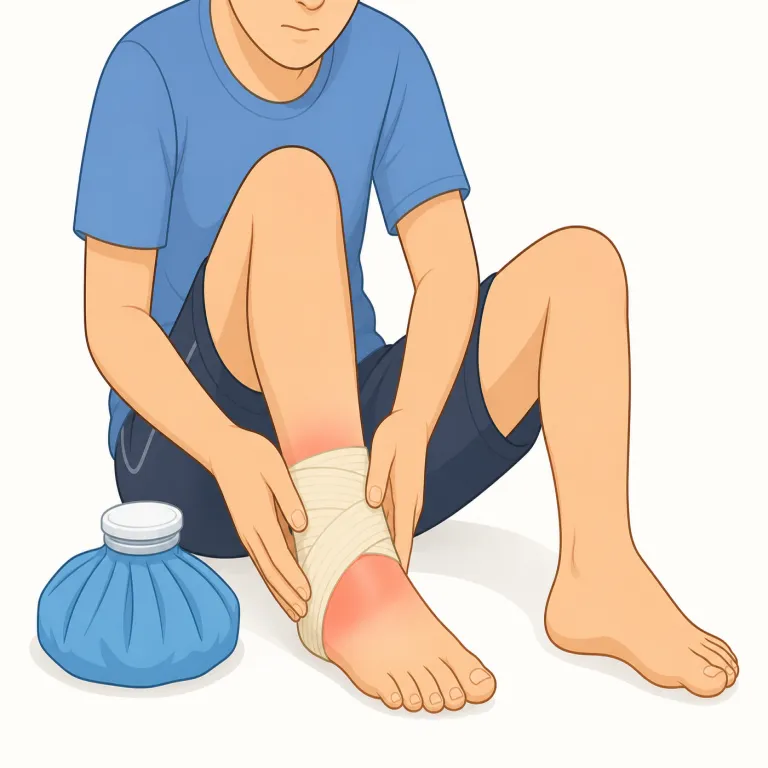
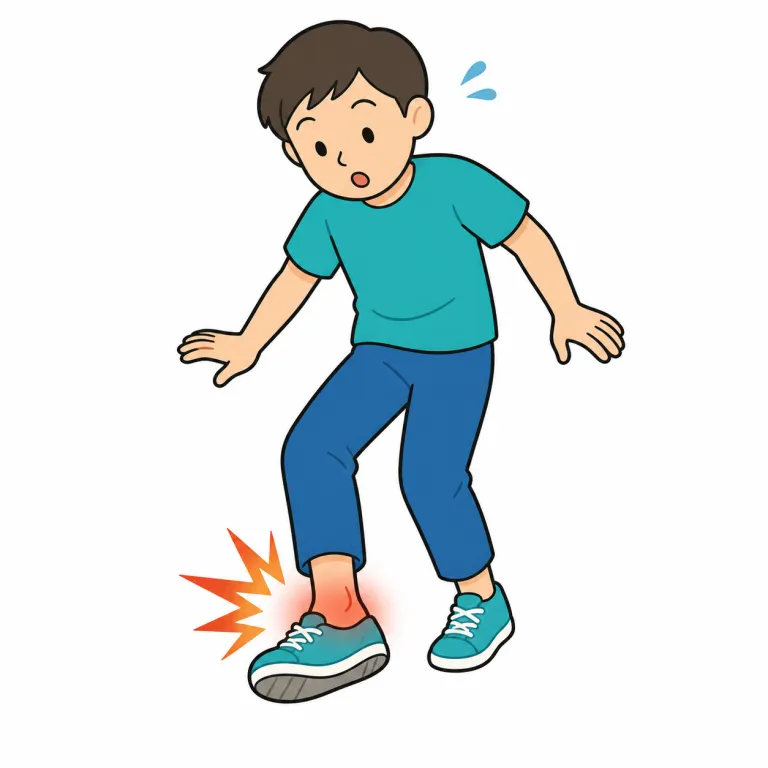
sprain(捻挫・名詞)の覚え方イラスト — a sprain は、病院やスポーツ記事で「どんなけがか」を名づける語です

sprain

/spreɪn/

sprain は英検準1級レベルの英単語で、「捻挫、捻挫する、ねんざ」という意味があります。発音記号は /spreɪn/ です。

意味一覧 (3件)

noun

捻挫ねんざ

解説 Definition

名詞の sprain は、関節をひねった結果として残る「捻挫」というけが・診断名を指します。mild sprain, severe sprain, ankle sprain のように重症度や部位を添えて、治療・休養・欠場の説明で使われます。

A sprain is an injury in which a joint is twisted too far, causing pain and damage to the ligaments around it. It often happens in the ankle, wrist, or knee during sports or accidents. A sprain is different from a broken bone.

覚え方のコツ Memory Tip

a sprain は、病院やスポーツ記事で「どんなけがか」を名づける語です。have a sprain, suffer a sprain, recover from a sprain のように、発生後の状態や回復期間に焦点が当たります。動詞 sprain が「ひねって痛める」という出来事なら、名詞 sprain はその結果として扱われる損傷名。ice, rest, swelling などの語と一緒に、足首や手首のけがを説明する場面で覚えると定着します。

Remember `sprain` through the common accident: you twist your ankle and get a sprain. This word is especially linked to joints like the ankle or wrist. It helps to contrast it with `strain`, which is more about muscles or tendons being pulled too hard.

例文

She suffered an ankle sprain while playing soccer.

彼女はサッカーをしている間に足首を捻挫した。

A wrist sprain can be treated with ice and rest.

手首の捻挫は氷と休息で治療できる。

The athlete's sprain sidelined him for several weeks.

選手の捻挫で彼は数週間欠場することになった。

verb

捻挫ねんざする

(意味 2)

解説 Definition

sprain は「足首を捻挫する」のように、人が関節を不自然にひねって靭帯を傷める動作・出来事を表す動詞です。着地に失敗した、段差で足をくじいたなど、けがが起きた瞬間を述べる時に向きます。

To sprain something such as your ankle or wrist means to hurt a joint by twisting it in an unnatural way. It usually happens suddenly when someone lands badly, slips, or steps awkwardly. The word focuses on the moment when the ligaments around the joint are damaged.

覚え方のコツ Memory Tip

sprain は足首や手首などの靱帯を、ひねって伸ばしたり傷めたりする動詞です。語源は古フランス語 espreindre「押しつぶす・締める」とされ、骨が折れる break/fracture ではなく、関節まわりの soft tissue の損傷に焦点があります。sprain one's ankle が定番で、twist より医学的に「捻挫する」と覚えます。

Think of sane, which means "having good judgment," and insane, which means "not sane" or "crazy." Add the noun ending -ity, and insanity becomes the state of being wildly unreasonable. It is often used not for a medical condition but to strongly criticize a plan, decision, or risk as completely foolish, as in It would be insanity to ... or pure insanity.

例文

I sprained my ankle when I missed a step on the stairs.

階段で段を踏み外して足首を捻挫した。

She sprained her wrist during practice but finished the game.

彼女は練習中に手首を捻挫したが、そのまま試合をやり切った。

Be careful not to sprain your knee when you land.

着地するときに膝を捻挫しないように気をつけて。

noun

ねんざ

(意味 3)

解説 Definition

関節を無理に動かして靭帯が傷つく損傷。特に足首などに起こりやすい。

例文

He suffered a sprain during the basketball game.

彼はバスケットボールゲーム中に足首をねんざした。

The sprain required ice and rest to heal.

そのねんざを治すには氷と休息が必要だった。

She wrapped her sprain with an elastic bandage.

彼女は弾性包帯でねんざした足を包んだ。

sprain の語源・成り立ち Etymology

sprain は古フランス語 espreindre / espraindre「強く押す・ねじる」に由来し、さらにラテン語 exprimere「押し出す」にさかのぼるとされます。関節や筋を無理にひねって痛める語義は、この「強く圧してゆがめる」感覚そのものです。express も遠い関連語です。

"Sprain" came into English through Old French forms such as "espreindre" or "espraindre," meaning to press hard or twist, and it is often linked further back to Latin "exprimere." The original sense involved force that presses or bends something out of shape. That developed naturally into the meaning of injuring a joint or muscle by twisting it too far.

外部辞書で調べる

この単語をシェア

この単語を英単語クイズで覚えよう