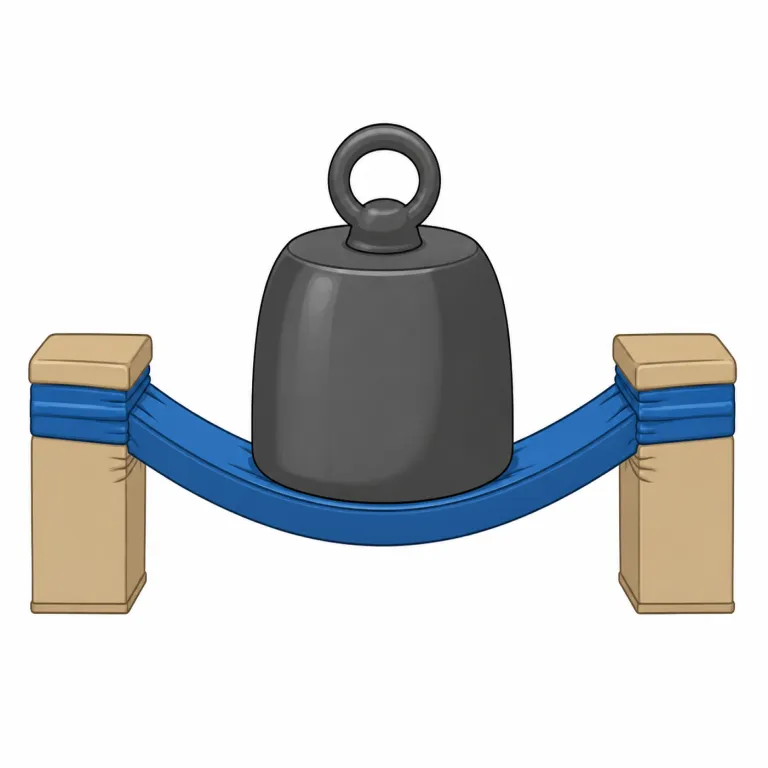
意味一覧 (2件)
負担をかける
/ noun 名詞 負担、緊張
解説 Definition
動詞では、人や物に過度な力をかけて負担を与える、無理をさせるという意味で使う。筋肉や目を酷使する場合だけでなく、予算・関係・制度などを圧迫して緊張状態にする場合にも用いられる。結果として傷みや悪化を招きかねない含みが強い。
To put too much pressure or force on a person, body part, relationship, budget, or system. This can make it work beyond comfortable limits and may cause damage or make a situation worse.
覚え方のコツ Memory Tip
strain は「ピンと張るまで無理に力をかける」と考えると覚えやすいです。動詞では、目・筋肉・予算・関係などに余裕以上の圧力をかけて「負担をかける」。Don't strain your eyes なら「目を酷使して張りつめさせないで」という感じです。a strain of bacteria の「品種・系統」ではなく、ここでは何かに無理をさせる動作を表します。
Picture pulling something until it becomes uncomfortably tight. When you strain your eyes, muscles, budget, or relationships, you force them beyond what they can easily manage.
例文
Don't strain your eyes in the dark.
暗い所で目に無理をさせないで。
The sudden expense strained our budget.
突然の出費で予算に負担がかかった。
The dispute strained relations between the two companies.
その対立は両社の関係を緊張させた。
系統、株
(意味 2)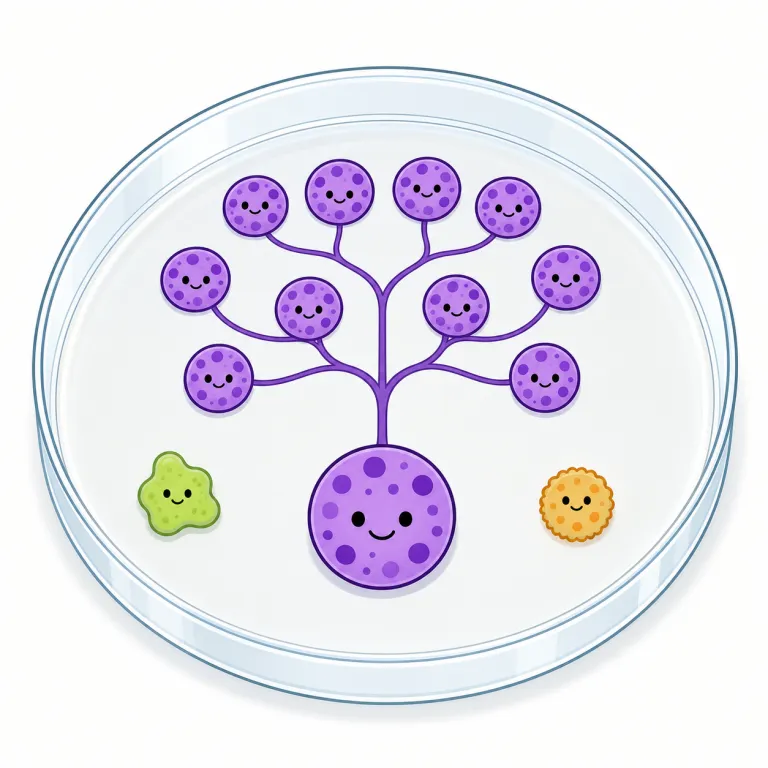
解説 Definition
ある作物や動物が同じ出所や系統から派生した種類を指す用語。特定の血統や遺伝的な特徴が繰り返し受け継がれ、外見や性質に一定の傾向がある集団を表す。品種改良や研究では、このような系統を区別して扱うことが重要である。
A strain is a particular type or variety within a species, especially of plants, animals, or microorganisms. It is common in biology, medicine, and agriculture.
覚え方のコツ Memory Tip
strain はまず動詞の「張る・無理をかける」や名詞の「負担」で見かけやすいが、名詞では「同じ特徴がずっと受け継がれた系統」という感覚から「品種」も表せる。特に a strain of rice / wheat、a strain of bacteria / virus の形で覚えると定着しやすい。species が広い意味の「種」、breed が動物の品種寄りなのに対し、strain はその中の特定の系統・変種という細かい区別で使われやすい。
For this meaning, remember `a strain of ...` as a fixed pattern: `a strain of flu`, `a strain of bacteria`, `a strain of wheat`. It is often used for a smaller line or type inside a bigger group. `Species` is broader, while `strain` sounds more scientific or technical.
例文
This strain of coffee plant produces beans with unique flavor characteristics.
このコーヒーの系統は独特の風味特性を持つ豆を生産する。
The researcher studied a new strain of bacteria.
研究者は新しい細菌の系統を研究した。
They developed a disease-resistant strain of wheat.
彼らは病気に強い小麦の品種を開発した。
strain の類義語・関連語
紛らわしい語
strain の語源・成り立ち Etymology
古フランス語 estraindre(締めつける)を経てラテン語 stringere(引き締める)に由来。語根 string-(締める)から派生。関連語: strict, string。もともとの「締めつける・強く引く」感覚が、人や物に過度な力を加えて「負担をかける」という動詞の意味につながっている。
It came through Old French estraindre from Latin stringere, meaning “to tighten.” The original idea of tightening or pulling strongly developed into the sense of putting excessive force or pressure on something.
同じレベルの語彙をもっと
外部辞書で調べる
この英単語をクイズで覚えよう