string
string は英検準2級・TOEIC 600レベルの英単語で、「ひも、弦、一連」という意味があります。発音記号は /strɪŋ/ です。
意味一覧 (3件)
ひも
解説 Definition
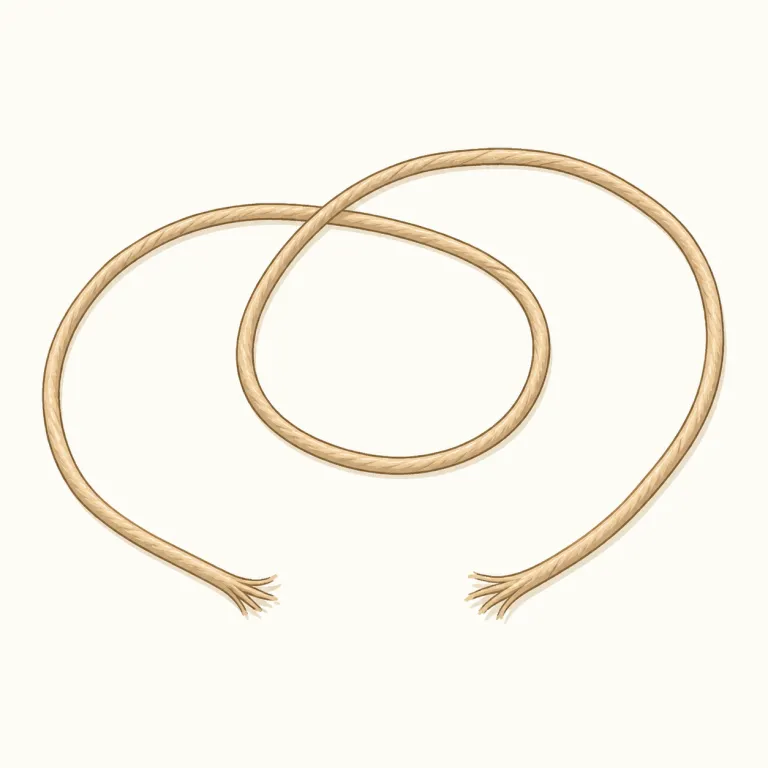
細くて長いひも状のものを指し、物を結ぶ、束ねる、つるすといった用途に使われます。素材は綿やナイロンなどさまざまで、文脈によっては糸や弦を指すこともありますが、日常語では thread より太めの「ひも」の意味で使われることが一般的です。
String is a thin, strong piece of twisted material used for tying, holding, or fastening things. It is common in everyday situations with packages, bags, or simple tools. The word usually refers to something lighter and thinner than rope.
覚え方のコツ Memory Tip
string は「細長くて、ある程度しっかりしたひも」として、thread(糸)より太く、rope(ロープ)より細い中間に置くと覚えやすい。a piece of string, tie it with string のように「結ぶ・束ねる」場面と一緒に覚えると定着する。さらに guitar strings、a string of beads、文字列の string まで、「一本の細長いものが続く」という核イメージでまとめると意味の広がりも追いやすい。strong とつづりが近いので、「ぴんと張った感じ」を共通の手がかりにすると記憶に残る。
Place `string` between `thread` and `rope`: thicker than thread, thinner than rope. Remember useful groups like `a piece of string`, `guitar string`, and `a string of beads`. One image connects them all: one long, thin thing.
例文
This string is very long.
このひもはとても長い。
I tie the box with string.
私は箱をひもで結ぶ。
The string is on the desk.
そのひもは机の上にある。
弦
(意味 2)解説 Definition
楽器に張って音を出す細い線を指し、ギターやバイオリン、琴などの音を生む部分を表します。手で弾いたり弓でこすったりして振動させ、音の高さや響きを調整する場面でよく使われます。日常の「ひも」ではなく、音楽や楽器の話で現れやすい名詞です。
覚え方のコツ Memory Tip
string は「細長いもの」という基本像を持ち、楽器の上でぴんと張られ、振動して音を出すものなら「弦」です。ギターの六本の線を指で弾く場面と guitar string を一組で覚えましょう。play the strings ではなく、一本については pluck a string「弦をはじく」、切れたときは a string breaks、交換なら change a string が自然です。violin string や broken string にも広げ、「張った細い線が震えて音になる」と固定すると、普通の「ひも」と混同しにくくなります。
例文
He changed a broken guitar string.
彼は切れたギターの弦を替えた。
My violin string broke.
私のバイオリンの弦が切れた。
This string makes a high sound.
この弦は高い音を出す。
一連
(意味 3)解説 Definition
同じ種類の出来事や物事が続けて起こったり並んだりしているまとまりを指します。a string of accidents や a string of questions のように、事件・質問・敗北などが次々続く文脈でよく使われます。一本の「ひも」ではなく、「一連の〜」という抽象的な意味です。
覚え方のコツ Memory Tip
string の「一連」は、出来事や物を一本のひもに次々通した姿で覚えると分かりやすいです。必ず a string of+複数名詞という形をまず押さえ、a string of accidents「一連の事故」、a string of questions「相次ぐ質問」、a string of losses「連敗」の三つを型として覚えましょう。series よりも、一つ一つが切れずに続いている印象が出ます。ニュースで事故が連続し、黒板に丸をひも状につないで記録する場面を想像すると、単なる一本の「ひも」という意味と区別しやすくなります。
例文
A string of accidents happened this week.
今週、一連の事故が起きた。
The teacher asked a string of difficult questions.
先生は難しい質問を立て続けにした。
Our team had a string of losses.
私たちのチームは連敗した。
string の類義語・関連語
string の語源・成り立ち Etymology
古英語 streng(縄、糸)に由来し、ゲルマン祖語 *strangiz(張り詰めた)と関連する。「ぴんと張ったもの」が原義で、糸・弦・一連のものへと意味が広がった。関連語:strong(強い)は同根で「張り詰めた→力強い」、stringent(厳格な)はラテン語経由の同系語。
"String" comes from Old English streng, meaning cord or thread, and is related to an early Germanic root with the sense of being stretched tight. The original image was something pulled taut. From that, the word developed into uses for cord, instrument strings, and later a connected series of things. It is related to strong, which comes from the same basic idea of tightness and force.
同じレベルの英単語をもっと
英検準2級の一覧へ →外部辞書で調べる
この単語を英単語クイズで覚えよう