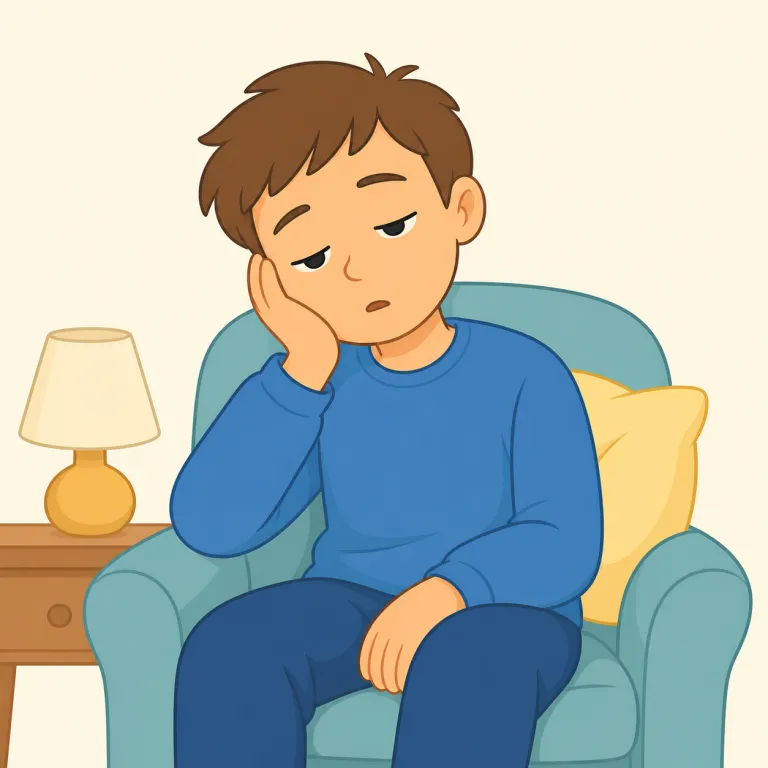
眠気を誘う
解説 Definition
人ではなく、場所・天気・音・薬などが眠気を起こさせる様子を表します。暖かい午後、単調な声、静かな部屋など、聞き手やその場にいる人をうとうとさせる雰囲気に使われます。
Drowsy describes something that makes people feel sleepy rather than a person who is already sleepy. It is often used for places, weather, sounds, or medicine that create a heavy, quiet feeling. You can use it for things like a warm afternoon, a soft voice, or a still room that makes people want to close their eyes.
覚え方のコツ Memory Tip
drowsy は sleepy と近いですが、この義では「自分が眠い」ではなく「相手を眠くさせる」性質に注目します。たとえば drowsy music, drowsy afternoon, drowsy warmth のように、音・時間帯・暖かさが人をうとうとさせる場面で使えます。-y は cloudy や smoky と同じく「その性質を帯びた」を作る語尾なので、drowse「うとうとする」を起こさせる感じ、と結びつけると覚えやすいです。
Drowsy is close to sleepy, but in this meaning, focus on something that makes other people feel sleepy. Think of phrases like drowsy music, a drowsy afternoon, or drowsy warmth. The ending -y often means "full of that quality," like cloudy or smoky, so drowsy can help you remember something that carries the feeling of drowse.
例文
The warm air and the quiet music created a drowsy mood.
暖かい空気と静かな音楽が、眠気を誘う雰囲気を作っていた。
His long, drowsy speech made the audience start to yawn.
彼の長く単調な話し方は、聞いている人たちに眠気を起こさせた。
After taking the medicine, she sat in the drowsy afternoon light by the window.
薬を飲んだあと、彼女は窓辺の眠気を誘う午後の光の中に座っていた。
眠い
(意味 2)解説 Definition
眠さでぼんやりし、注意力が落ちた状態を表します。眠気が強くて頭が重くなったり、集中が難しくなったりする様子です。睡眠不足や暖かさなどで引き起こされます。
If you feel drowsy, you are sleepy and not fully alert. It is often used when someone wants to sleep or has low energy because of tiredness, medicine, or warm conditions. It describes a stronger feeling than simply being a little tired.
覚え方のコツ Memory Tip
drowsy は、人が眠気でぼんやりし、注意力や反応が落ちた状態を表します。tired は単に疲れた、sleepy は眠い一般表現ですが、drowsy はまぶたが重く、頭がはっきり働かない感じが強い語です。drowsy driving「眠気運転」や may cause drowsiness「眠気を催すことがあります」のように、薬の副作用や運転中の危険な眠気にもよく出ます。
`Drowsy` is close to `sleepy`, but it often suggests a heavy kind of sleepiness that slows your attention and reactions. That is why you see phrases like `drowsy driving` and `may cause drowsiness`. Remember the family: `drowsy` is the adjective, and `drowsiness` is the noun.
例文
The drowsy student struggled to stay awake during the lecture.
眠そうな学生は講義中に眠気をこらえるのに苦労した。
After the heavy meal, he became drowsy.
食事をたっぷり食べたあと、彼は眠気に襲われた。
The warm weather made everyone feel drowsy.
暖かい陽気のせいで、みんな眠たくなった。
うとうとした
(意味 3)解説 Definition
眠くて、目が半分閉じかけている状態。疲れや心地よい環境によって、すぐに寝てしまいそうな状態を指す。
例文
She felt drowsy after the long journey.
長い旅の後、彼女はうとうとした。
The warm room made everyone drowsy.
温かい部屋は皆をうとうとさせた。
He struggled to stay awake while feeling drowsy.
彼はうとうとしているときに起きていようとするのに苦労した。
ぼんやりした
(意味 4)解説 Definition
眠い、または眠そうな状態。睡眠不足や疲労により意識や反応が低下している。
例文
He gave a drowsy response to the question.
彼は眠そうな返事をした。
The drowsy student fell asleep in class.
眠そうな学生は授業で眠りに落ちた。
She had a drowsy look after the long flight.
長いフライトの後、彼女は眠そうな表情をしていた。
drowsy の語源・成り立ち Etymology
drowsy は drowse「うとうとする」に形容詞語尾 -y が付いた語。古英語系の「力なく沈む」感覚から、眠気を帯びる・眠気を誘う意味へ広がった。
Drowsy comes from drowse, meaning "to doze," plus the adjective ending -y. The word is linked to old Germanic and Old English ideas of sinking or becoming dull and heavy. From that sense, it developed into the meaning of being sleepy or making others feel sleepy.
外部辞書で調べる
この単語を英単語クイズで覚えよう