勢いを失う、低迷する
verb 動詞経済、事業、交渉、機械などが、それまでの力や安定性を失って不調になることを表します。人の決意が揺らぐ場合とは異なり、活動・成長・作動が弱まったり止まりかけたりする場面で使われます。
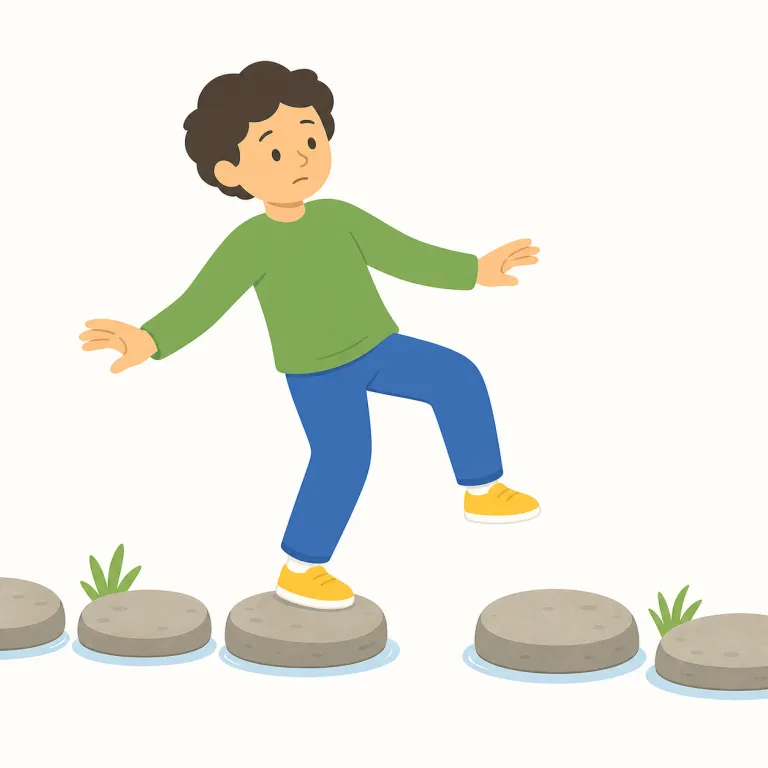
falter は英検1級・TOEIC 860・TOEFL 80・IELTS 6.5レベルの英単語で、「揺らぐ、口ごもる」という意味があります。発音記号は /ˈfɔːltɚ/ です。
この動詞は、不安や圧力などによって自信や決意が弱まったり、行動をためらったりすることを表す。また、声が震えて言葉が途切れる場合にも使う。
To falter means to lose strength, confidence, or smooth progress for a moment. It can describe speech, movement, effort, or determination that becomes weak or uncertain. The word often suggests a brief hesitation rather than a complete failure.
まず「順調に進んでいたものが、圧力や不安で途中でぐらつき、止まりかける」とまとめると覚えやすい語。歩き方なら stumble、意見や忠誠が揺れるなら waver、行動前のためらいなら hesitate に近いが、falter は声・足取り・自信・決意が進行中に弱まる感じ。voice faltered, confidence faltered, falter under pressure の形で「外からの圧で失速する」場面と結びつけると定着しやすい。対義的な unfaltering も一緒に覚えると輪郭がはっきりする。
Think of `falter` as losing strength while already moving forward. A voice, confidence, or effort does not stop at once, but becomes weak or unsteady under pressure. Phrases like `his voice faltered` or `falter under pressure` are strong memory hooks.
He began to falter in his determination as challenges increased.
課題が増えるにつれて、彼の決意は揺らぎ始めた。
The team's confidence did not falter despite losing the first game.
チームの自信は最初の試合に敗れても揺らがなかった。
Her voice faltered as she delivered the emotional speech.
感情のこもったスピーチをするうちに、彼女の声は震え、言葉が途切れた。
文脈によって、次の意味でも使われます。
経済、事業、交渉、機械などが、それまでの力や安定性を失って不調になることを表します。人の決意が揺らぐ場合とは異なり、活動・成長・作動が弱まったり止まりかけたりする場面で使われます。
中英語 faltren にさかのぼり、北欧系語、特に古ノルド語 faltrask「よろめく・ためらう」と結びつけられます。語形は反復・継続を帯びる -er 型で、「足や声が少しずつ乱れる」感覚から「たじろぐ」へ。関連語は faltering, unfaltering。
Falter comes from Middle English faltren and is often connected with Old Norse faltrask, meaning "to stagger" or "hesitate." The word seems to carry the idea of repeated unsteady movement. From that sense of stumbling or wavering, it developed into both physical and figurative uses, such as an unsteady step or a hesitant voice; related forms include faltering and unfaltering.
この英単語をクイズで覚えよう