waver
waver は英検1級レベルの英単語で、「ためらう、揺らぐ、ためらう」という意味があります。発音記号は /ˈweɪvɚ/ です。
意味一覧 (2件)
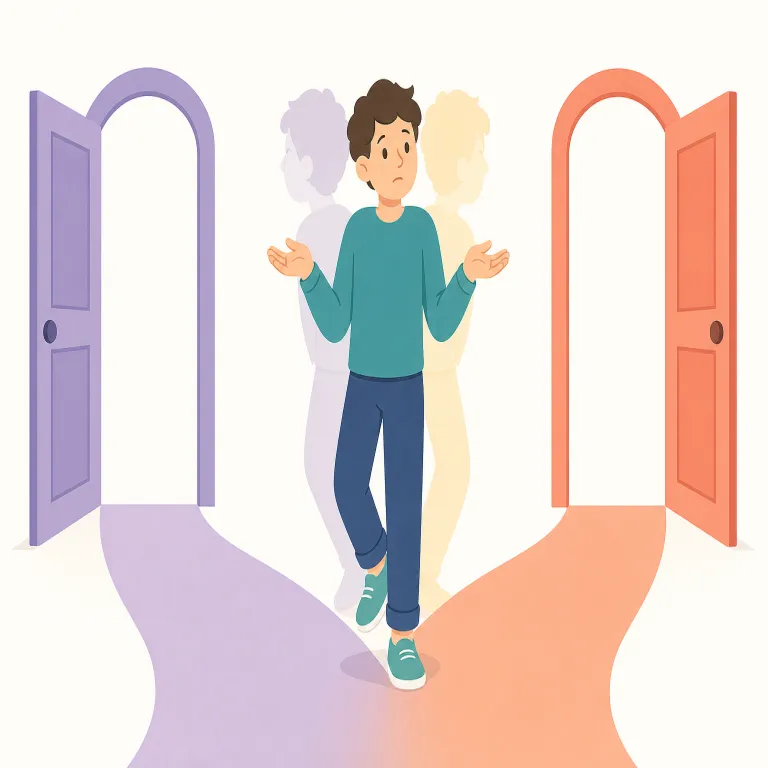
ためらう
解説 Definition
躊躇する、決断が揺らぐ、信念が不安定になる
To waver means to become unsure and change between different choices, feelings, or opinions. It is often used when someone hesitates instead of deciding firmly. The word can also describe something physically shaking or moving unsteadily.
覚え方のコツ Memory Tip
waver は基本語 wave を知っていると覚えやすい語。波のように左右へ揺れる感覚が、そのまま「心が揺れて決めきれない」に広がる。なので単なる行動前の hesitate より、意見・決心・信念・支持がぐらつく感じが強い。waver between A and B, never waver, her confidence wavered, support began to waver などの形で入れると定着しやすい。waive とつづりが近いので混同しないこと。
Connect `waver` with `wave`. A wave moves back and forth, and `waver` keeps that image of not staying steady. That helps you remember why it is often used for opinions, confidence, or support that starts to shake. Learn chunks like `waver between A and B` or `never waver`.
例文
He wavered between accepting and rejecting the job offer.
彼は仕事の申し出を受け入れるか拒否するかためらった。
She wavered over her decision for weeks.
彼女は数週間、決断をめぐって迷い続けた。
His confidence wavered when he heard the criticism.
批判を聞いたとき、彼の自信が揺らいだ。
揺らぐ、ためらう
(意味 2)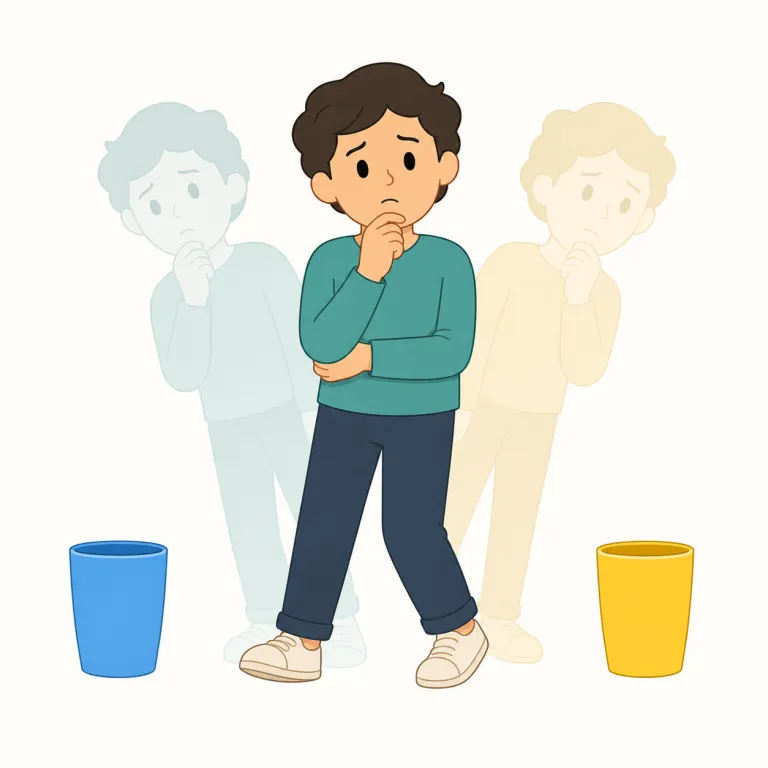
解説 Definition
waver は、光や声などが小刻みに揺れたり不安定になったりすること、また気持ちや決意、意見などが定まらず揺らぐことを表す動詞です。状況によっては、決断を前にためらう意味でも使われます。
To waver means to become less steady or to move slightly from side to side. It is also used when a person cannot decide something firmly and keeps changing their mind. It often appears in discussions about confidence, opinions, or decisions.
覚え方のコツ Memory Tip
まず簡単な wave を軸にすると覚えやすい。waver は「波のように一定せず揺れる」イメージで、物理的な揺れにも心の揺れにも使える。a voice wavered なら声が震える、waver between A and B ならAとBの間で決めきれない。hesitate が行動直前のためらいに寄りやすいのに対し、waver は opinion, resolve, confidence などがぐらつく感じ。never waver, his resolve wavered も一緒に覚えると定着しやすい。
Start with the simple word `wave`. If something wavers, it moves like a wave, not in one steady line. That is why a voice can waver, and confidence or resolve can waver too. Remember common pairs like `never waver` and `waver between A and B`.
例文
The candle flame wavered in the breeze.
ろうそくの炎はそよ風に揺らいだ。
His resolve wavered when faced with difficulty.
困難に直面して、彼の決意は揺らいだ。
Her voice wavered as she gave the speech.
スピーチをする間、彼女の声は震えていた。
waver の類義語・関連語
紛らわしい語
waver の語源・成り立ち Etymology
waver は中英語 waveren からで、古英語・古ノルド語系の「揺れる」語群に連なり、さらに印欧祖語の「編む・揺れ動く」感覚に通じます。物が左右に揺れるイメージが、そのまま心が定まらず「ためらう」に広がった語です。関連語は wave, weave。
Waver comes from Middle English waveren and belongs to an old group of Germanic words about moving back and forth. It is related in sense, and probably in deeper origin, to words like wave and weave. At first it described physical shaking or swinging, and later it also came to mean mental uncertainty or hesitation.
同じレベルの語彙をもっと
英検1級の一覧へ →外部辞書で調べる
この英単語をクイズで覚えよう