weave
weave は英検準1級・TOEIC 860・TOEFL 80・IELTS 6.5レベルの英単語で、「織る、縫って進む、織り込む」という意味があります。発音記号は /wiːv/ です。
意味一覧 (3件)
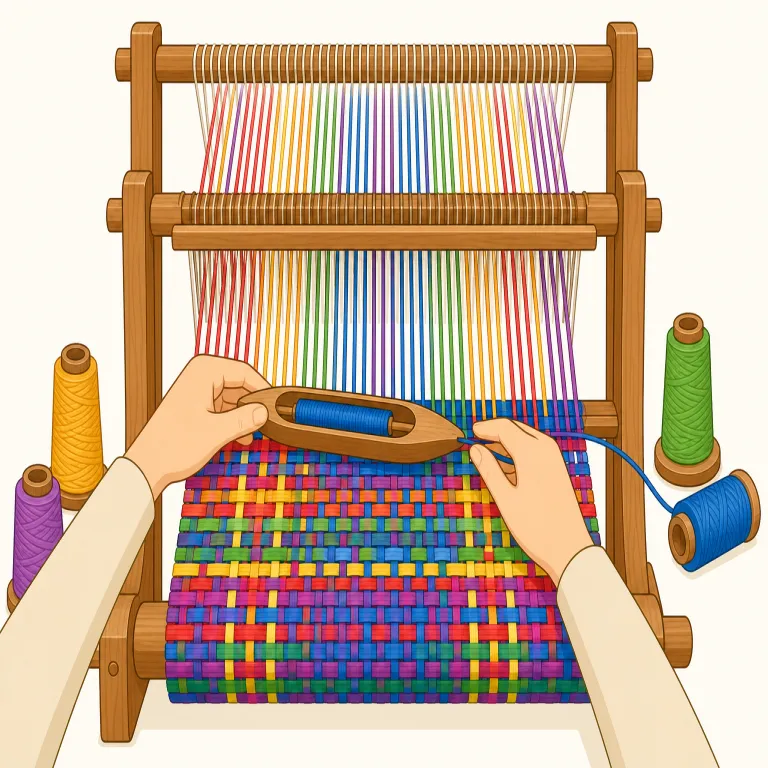
織る
解説 Definition
糸や布を織機を使って組み合わせ、布を作ることです。また、物語や考えを複雑に組み合わせる意味もあります。
To weave means to make cloth by crossing threads over and under each other in a regular pattern. It can also mean to move in and out smoothly or to combine different ideas or parts into one whole.
覚え方のコツ Memory Tip
weave は「糸を交差させて、ばらばらのものを一つの形にする」が核。woven(織られた)や web(網・クモの巣)を同じ“編み目”グループとして結ぶと定着しやすい。そこから cloth を weave する物理的な意味だけでなく、weave a story / weave ideas together のように「話や考えを編み込む」に自然に広がる。さらに weave through traffic なら、車の間を縫うように進む動き。knit は毛糸を編む、weave は縦横に交差させて織る、という違いまで一緒に押さえると混同しにくい。
The core image is crossing threads to make one piece of cloth. From that, it becomes easy to remember wider uses like `weave a story` or `weave ideas together`. It can also describe movement, as in `weave through traffic`, like moving in and out between things.
例文
The weaver used a traditional loom to weave cloth.
織工は伝統的な織機を使って布を織りました。
She weaves stories into her novels.
彼女は小説にストーリーを織り込んでいます。
They weave colorful cloth by hand.
彼らは色鮮やかな布を手で織ります。
えいたんごクイズでの正答率
この語をはじめて出題された 49人 のうち 41人 が正解しました(84%)。
えいたんごクイズの回答から集計した独自データです。1人につき最初に出題されたときの1回だけを数えており、復習や2回目以降の回答、「わからない」と時間切れは含みません。 集計時点は 2026年9月19日 です。
縫って進む
(意味 2)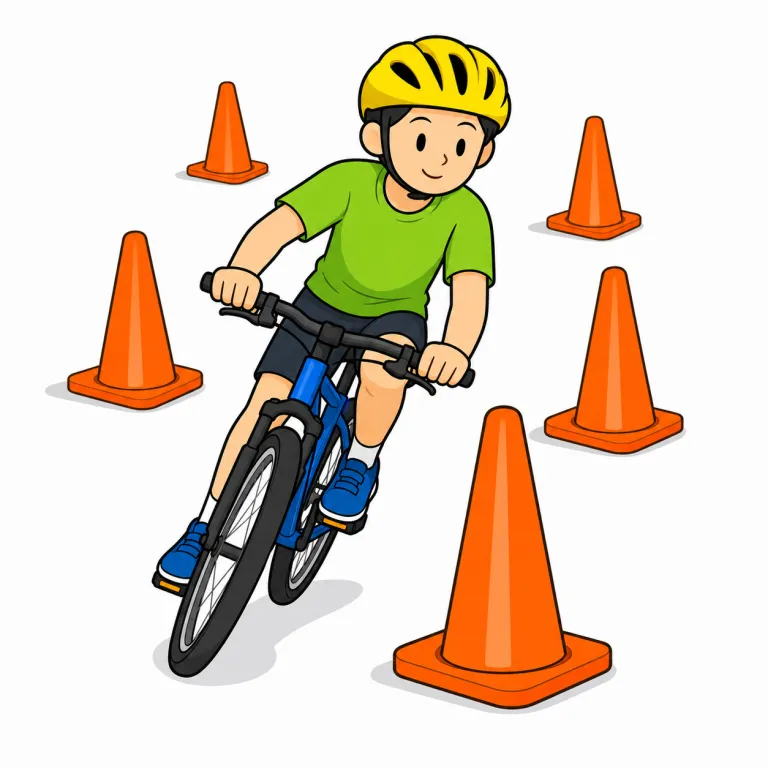
解説 Definition
人や車、障害物の間をぶつからないように、左右にそれたり細かく進路を変えたりしながら進むことを表す。混雑した通りや列の中を抜ける場面でよく使い、素早くすり抜ける動きの印象がある。比喩より実際の移動で使われることが多い。
To move through people, vehicles, or obstacles by repeatedly changing direction to avoid hitting them. The movement often involves slipping quickly from one open space to another.
例文
She wove through the crowd to reach the station exit.
彼女は駅の出口へ向かうため、人混みを縫って進んだ。
The cyclist wove between parked cars on the narrow street.
その自転車乗りは狭い通りで駐車中の車の間を縫うように進んだ。
We had to weave around the fallen branches on the trail.
私たちは山道で落ちた枝を避けながら縫うように進まなければならなかった。
織り込む
(意味 3)
解説 Definition
話、描写、主題、事実などを文章や会話、作品の中に自然に組み込むことを表す。単に付け足すのではなく、全体の流れを保ちながら要素をなじませる響きがある。議論や物語に背景情報を入れる場面でよく使う。
To include facts, ideas, descriptions, or themes naturally within a story, discussion, or other work. The added material becomes part of the overall flow instead of feeling separate.
例文
The author weaves local history into the novel.
その作家はその小説に地域の歴史を自然に織り込んでいる。
She wove a joke into her presentation to relax the audience.
彼女は聴衆を和ませるため、発表に冗談を織り込んだ。
The report weaves customer feedback into the final recommendations.
その報告書は最終提言に顧客の意見を織り込んでいる。
weave の類義語・関連語
weave の語源・成り立ち Etymology
weave は古英語 wefan「織る」にさかのぼり、さらにゲルマン祖語系の語です。関連語 web はもともと「織られたもの」、woven も同根です。糸を交差させて形を作る感覚から、布を織るだけでなく話や計画を編む意味にも広がりました。
Weave comes from Old English wefan and goes back to an old Germanic root. Related words include woven and web, which originally meant something woven. The basic idea is crossing strands to make a whole, and that later grew into figurative uses like weaving a story or plan.
同じレベルの語彙をもっと
英検準1級の一覧へ →外部辞書で調べる
この英単語をクイズで覚えよう