蛇行、縫うような動き
noun 名詞人や車などが障害物の間を縫い、左右に進路を変えながら進む動きを指す。weaving through traffic や weaving in and out の形で、交通中の危険な蛇行や人混みを抜ける動作について使われる。
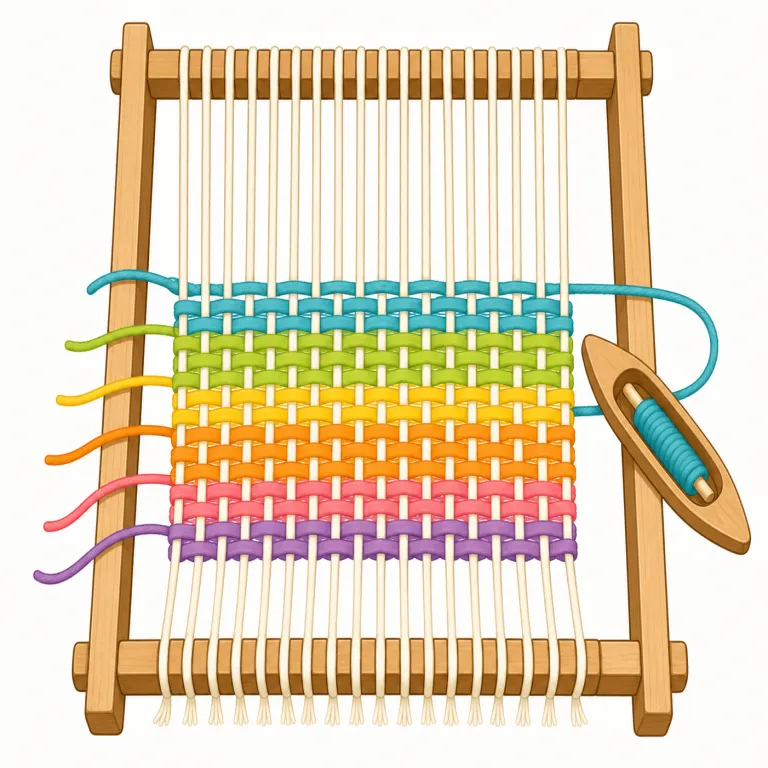
糸や繊維を縦横に組み合わせて、布や模様を作る作業、またはその技術を指します。伝統工芸から現代のテキスタイル制作まで幅広く使われ、素材や色の選び方によって仕上がりの質感や柄が大きく変わります。
Weaving is the process or skill of making cloth or similar material by crossing threads over and under each other. It is used in textiles, traditional crafts, and art. The word can refer both to the technique itself and to the activity of doing it.
まず動詞 weave を軸に覚えると定着しやすいです。weaving は -ing が付いて「織ること・織りの作業」。糸を上下左右に行き来させ、面や模様を作る場面を思い浮かべるとよいです。knitting が毛糸をループで編むのに対し、weaving は縦糸と横糸を交差させるのが特徴。basket weaving, textile weaving, weaving patterns のような形でよく見かけ、比喩的に ideas into a story のように「要素を織り込む」にも広がります。
Build it from the verb "weave," then "weaving" becomes the activity itself. Picture threads crossing over and under each other to make cloth or patterns. It is useful to contrast it with "knitting," which uses loops instead of crossing threads.
The artist is skilled at weaving traditional patterns.
その芸術家は伝統的な模様を織るのが得意だ。
Weaving is an ancient craft with a long history.
織りは長い歴史を持つ古くからの工芸である。
She learned weaving from her grandmother.
彼女は祖母から織りを学んだ。
文脈によって、次の意味でも使われます。
人や車などが障害物の間を縫い、左右に進路を変えながら進む動きを指す。weaving through traffic や weaving in and out の形で、交通中の危険な蛇行や人混みを抜ける動作について使われる。
weaving は古英語 wefan「編む・織る」に -ing が付いた語で、糸を行き来させて組む動作そのものを名詞化しています。web や interweave も同根で、「交差させて形を作る」感覚が布だけでなく話や関係を織り成す比喩にも広がりました。
Weaving comes from the Old English verb "wefan," meaning "to weave," with the noun ending "-ing." The basic idea was crossing threads back and forth to make a fabric. The same root appears in "web" and "interweave," and later the image spread to more figurative uses about patterns and connections.
この英単語をクイズで覚えよう