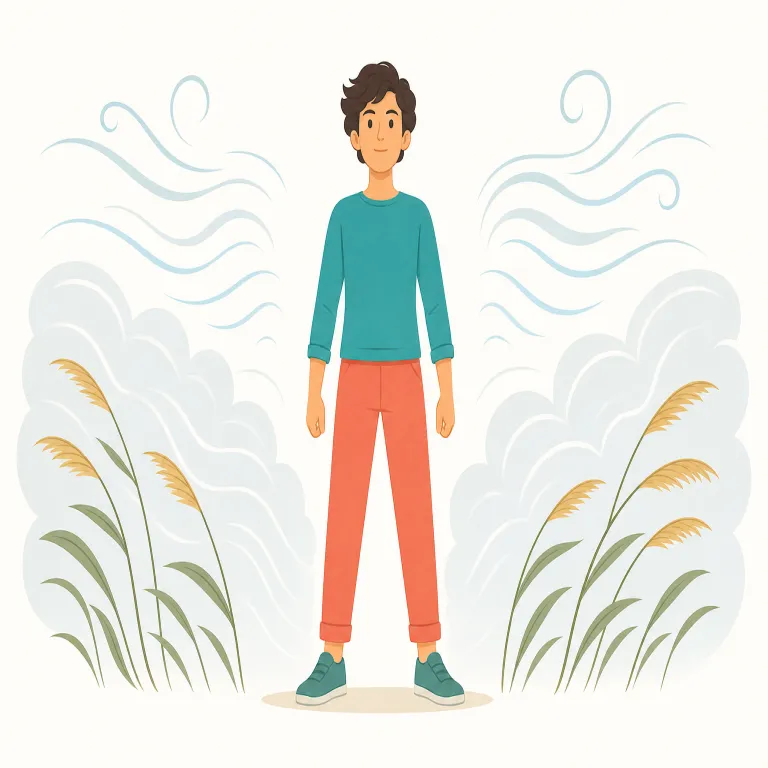
曲げていない、うつむいていない
adjective 形容詞頭や体などが曲げられておらず、うつむいた姿勢を取っていない状態を表す。an unbowed head のように使い、困難に屈しないという比喩的な意味ではなく、実際の姿勢や形を述べる。
屈しない、または折れない。困難に直面しても決心を失わない状態です。
Unbowed means not defeated, not discouraged, and still proud or determined after difficulty. It often describes a person who continues with strength after pressure or failure. The word has a formal and strong tone.
まず `un-` を見て「否定」、次に `bow` を「おじぎする・頭を下げる」と結びつけると覚えやすいです。`unbowed` は「頭を下げていない」イメージから、そのまま「屈しない」へつながります。単に壊れていない `unbroken` より、圧力や逆境の中でも気持ちが折れず、誇りを保っている響きが強い語です。`remain unbowed` や `stand unbowed` の形で、「最後まで毅然としている人物像」とセットで覚えると定着します。
See `un-` for negation, then think of `bow` as lowering your head. `Unbowed` creates the image of someone who does not bow down under pressure. Phrases like `remain unbowed` or `stand unbowed` make the word feel strong and memorable.
The athlete remained unbowed despite injuries.
その選手は怪我をしても屈しなかった。
His unbowed spirit inspired others.
彼の不屈の精神は他の人々を鼓舞した。
The community remained unbowed and rebuilt after disaster.
その地域社会は災害後も屈することなく再建を果たした。
文脈によって、次の意味でも使われます。
頭や体などが曲げられておらず、うつむいた姿勢を取っていない状態を表す。an unbowed head のように使い、困難に屈しないという比喩的な意味ではなく、実際の姿勢や形を述べる。
unbowedはun-「〜でない」+ bowed「曲げた・頭を下げた」から成る語で、bowは古英語bugan「曲がる」にさかのぼります。つまり「体も心も折れず、頭を下げていない」が核で、服従しない意味が自然に出ます。関連語はbowとbowing。
`Unbowed` is formed from `un-` and `bowed`. `Bow` goes back to Old English `bugan`, meaning "to bend." Because bowing the body was linked with yielding or submission, `unbowed` came to suggest remaining firm in spirit as well as physically unbent.
この英単語をクイズで覚えよう