下げる
解説 Definition
lowering は lower(下げる、低くする)の現在分詞・動名詞です。物の位置、音量、価格、温度などを下げている動作や、下げることを表します。
Lowering is the present participle or gerund of lower. It describes the ongoing act or process of moving something downward or reducing its level, amount, volume, price, or temperature.
覚え方のコツ Memory Tip
lowering は動詞 lower「下げる、低くする」に -ing を付けた現在分詞・動名詞です。語末の e は残したまま lowering と綴り、発音は lower と同じ語幹の後に /ɪŋ/ が続きます。lower the volume、lower the flag、lower prices のように、位置・音量・価格を現在より低くする場面を一組で覚えましょう。
Connect lowering directly with the base verb lower, meaning “to make lower.” Add -ing without removing the final e: lower becomes lowering. The ending is pronounced /ɪŋ/, while the base keeps its usual pronunciation. Picture a control or level moving downward: lowering the volume makes it quieter, lowering a flag moves it toward the ground, and lowering prices reduces what customers pay. These common combinations help you remember that the word can describe either an action in progress or the general process of reducing something.
例文
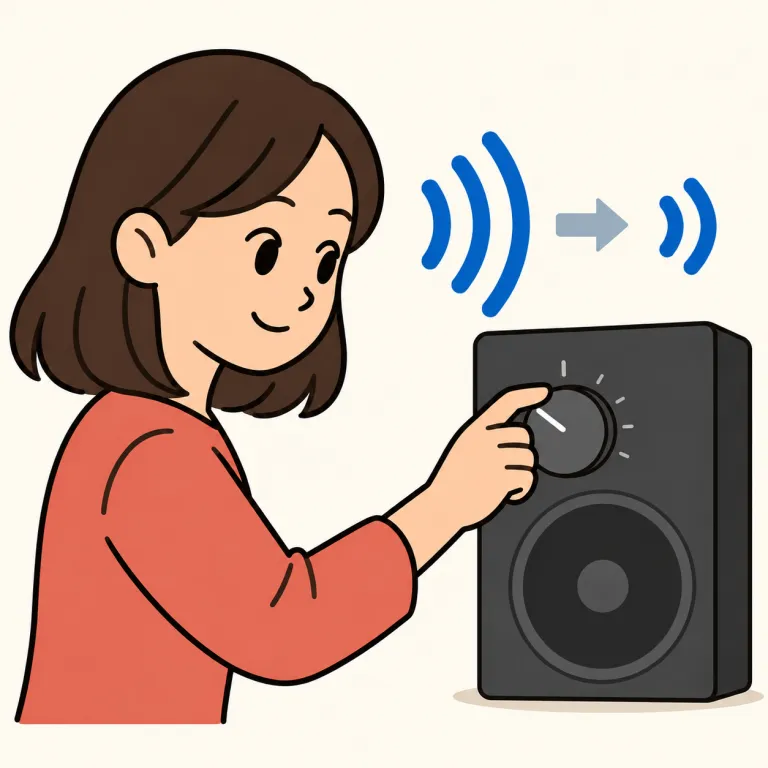
She is lowering the volume.
彼女は音量を下げています。
They are lowering the flag slowly.
彼らは旗をゆっくり下げています。
The store is lowering its prices this week.
その店は今週、価格を下げています。
lowering の類義語・関連語
lowering の語源・成り立ち Etymology
lowering は lower+-ing。lower はゲルマン系の low「低い」を動詞化した語で、low は古ノルド語 lágr にさかのぼります。関連語に low、below があり、「低い状態へ移す」から「下げる」と納得できます。
Lowering is formed regularly from the verb lower plus the participial ending -ing. The verb lower was created from the adjective low and means to cause something to become lower. Low belongs to the Germanic vocabulary of English and is related historically to Old Norse lágr. The modern form transparently combines the idea of a low position or level with an ending marking an ongoing action or process.
同じレベルの語彙をもっと
外部辞書で調べる
この英単語をクイズで覚えよう