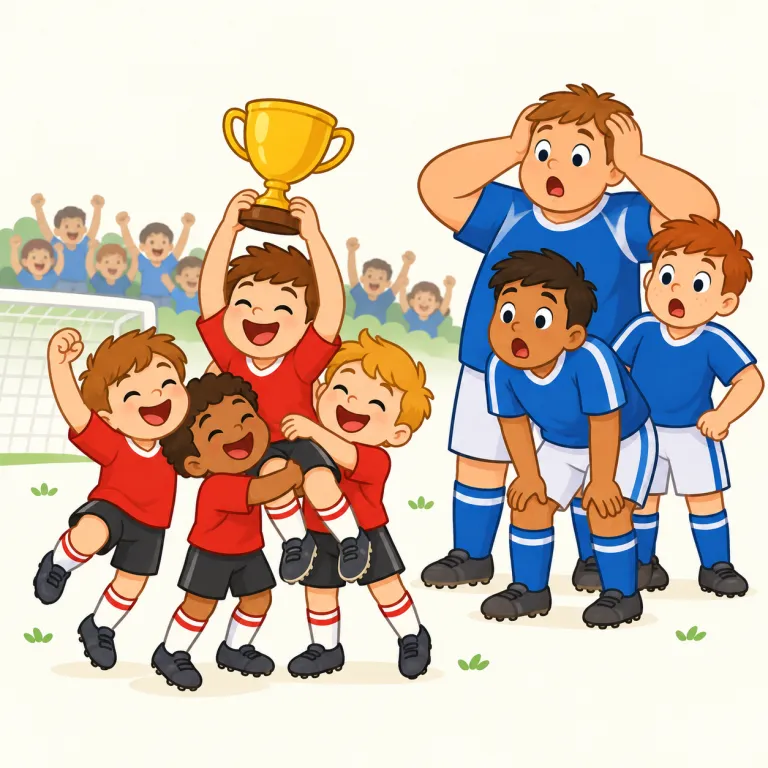
弱者
解説 Definition
underdogs は underdog(弱い立場の人・勝ち目が薄い側)の複数形です。試合や競争で不利だと思われている人たちやチームを指し、単なる「弱い人」よりも対戦や競争の文脈でよく使われます。
Underdogs is the plural of underdog and refers to competitors, teams, groups, or organizations that are expected to lose or are at a clear disadvantage against stronger rivals.
覚え方のコツ Memory Tip
単数形 underdog に複数語尾 -s を付けた形で、発音は /ˈʌndərdɔːɡ/ から /ˈʌndərdɔːɡz/ となり、語尾は有声音 /z/ です。スポーツなら優勝候補ではないチーム、事業なら大手に挑む小企業を思い浮かべましょう。単に弱い人々ではなく、相手より不利で負けると予想される競争者たちを指します。
Underdogs is the plural of underdog, made by adding -s. Because the singular ends in the voiced sound /ɡ/, the plural ending is pronounced /z/: /ˈʌndərdɔːɡz/. Picture a little-known team facing the defending champions or a small company challenging a market leader. The word does not simply mean weak people. It specifically presents competitors as disadvantaged or unlikely to win. This is why fans often root for the underdogs: an unexpected victory makes the contest especially satisfying.
例文
The underdogs surprised everyone by winning the final match.
その弱者と見られていたチームは決勝戦に勝ち、皆を驚かせました。
Many fans supported the underdogs because they worked so hard.
多くのファンは懸命に努力する弱い立場の選手たちを応援しました。
The small company entered the market as underdogs against larger rivals.
その小さな会社は、大手の競合に対して不利な立場で市場に参入しました。
underdogs の類義語・関連語
underdogs の語源・成り立ち Etymology
underdogsは古英語の接頭辞under(下に)と語根dog(犬)に由来する。原義は闘技で劣勢の犬を指し、19世紀から競争における弱者や負け予想側を意味するようになった。同じ語根の関連語にbull-dog(闘犬)が挙げられる。
Underdogs is the regular plural of underdog, a compound of under and dog. Underdog appeared in nineteenth-century English for a person or side at a disadvantage, drawing on the image of the dog underneath in a fight. The competitive sense expanded naturally from physical contests to sports, politics, business, and other situations in which one participant is expected to lose.
同じレベルの語彙をもっと
外部辞書で調べる
この英単語をクイズで覚えよう