スミレ、ビオラ
noun 名詞スミレ科スミレ属の植物、またはその花を指す。園芸ではパンジーより花が小ぶりな品種群をいうことも多く、花壇や鉢植えに使われる。楽器のヴィオラとは植物や庭についての文脈で区別される。
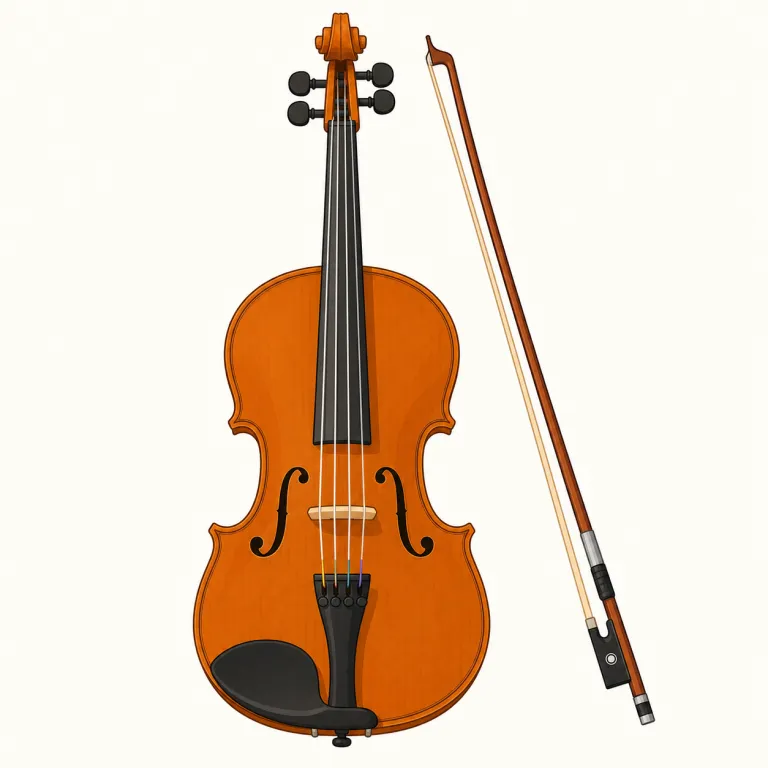
弦楽器の一種で、バイオリンよりも低い音を出します。交響楽団や室内楽で重要な役割を担います。
A viola is a string instrument that looks like a violin but is slightly larger and has a lower, deeper sound. It is commonly played in orchestras, chamber music, and other classical music settings. The word refers to the instrument, not the person playing it.
violin を知っていれば覚えやすい語。つづりは violin から少し短くなった形で、同じ弦楽器ファミリーの仲間だと結びつけると定着しやすい。意味も「バイオリン系だが、より大きく、音は少し低い」と対比で覚えるのが有効。オーケストラでは violin の高音と cello の低音の間を支える“中音域担当”としてイメージすると忘れにくい。頻出表現は play the viola, viola section。文脈によっては花の viola を指すこともあるので注意。
Remember it through "violin": the words look and sound related because they are in the same string-instrument family. A viola is like the violin's larger, lower-voiced relative. Think of the orchestra middle range and the phrase "play the viola."
She plays the viola in the orchestra.
彼女はオーケストラでビオラを演奏しています。
The viola's warm tone adds depth to the music.
ビオラの温かみのある音色は、音楽に深みを与えます。
The viola is larger than a violin but smaller than a cello.
ビオラはバイオリンより大きく、チェロより小さいです。
文脈によって、次の意味でも使われます。
スミレ科スミレ属の植物、またはその花を指す。園芸ではパンジーより花が小ぶりな品種群をいうことも多く、花壇や鉢植えに使われる。楽器のヴィオラとは植物や庭についての文脈で区別される。
viola はイタリア語 viola から英語に入り、さらに中世ラテン語 vitula「弦楽器」とされる語にさかのぼります。violin や viol も同根で、もともと弓で鳴らす弦楽器の一族名だったので、ヴィオラがそのまま楽器名になったわけです。
Viola came into English from Italian "viola." It belongs to the same family as "viol" and "violin," from medieval Latin forms referring to stringed instruments. The family name for bowed string instruments gradually became the name of this particular instrument.
この英単語をクイズで覚えよう