意味一覧 (2件)
ガラス質の
解説 Definition
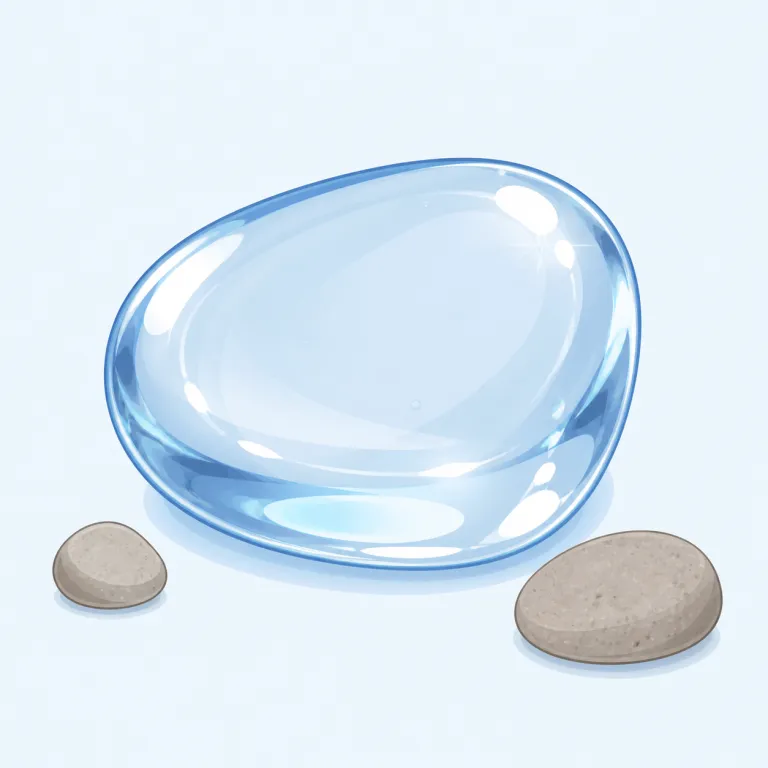
物質や表面が、外観や組織の点でガラスに似ていることを表す形容詞。特に鉱物や釉薬などの、硬く滑らかで光沢のある性質について使われる。
Vitreous describes a material or surface that resembles glass in appearance or structure, especially by being hard, smooth, or lustrous. It is commonly used in technical descriptions of minerals, ceramics, and coatings.
覚え方のコツ Memory Tip
vitreous は、鉱物や釉薬などが外観や組織の点でガラスに似ていることを表す専門的な形容詞。vitreous luster は黒曜石などの「ガラスのような光沢」、vitreous coating は硬く滑らかな「ガラス質の被膜」を指す。透明というだけでなく、硬さ、滑らかさ、光沢をまとめて思い浮かべる。
Connect the word with glass and picture a smooth mineral surface reflecting light. In this sense, vitreous describes the glass-like appearance or structure of a material, not a part of the eye.
例文
The obsidian displayed a vitreous luster.
その黒曜石にはガラスのような光沢があった。
The ceramic was sealed with a smooth vitreous coating.
その陶器は滑らかなガラス質の被膜で覆われていた。
The cooled material formed a hard, vitreous layer.
冷えた材料は硬いガラス質の層を形成した。
硝子体の
(意味 2)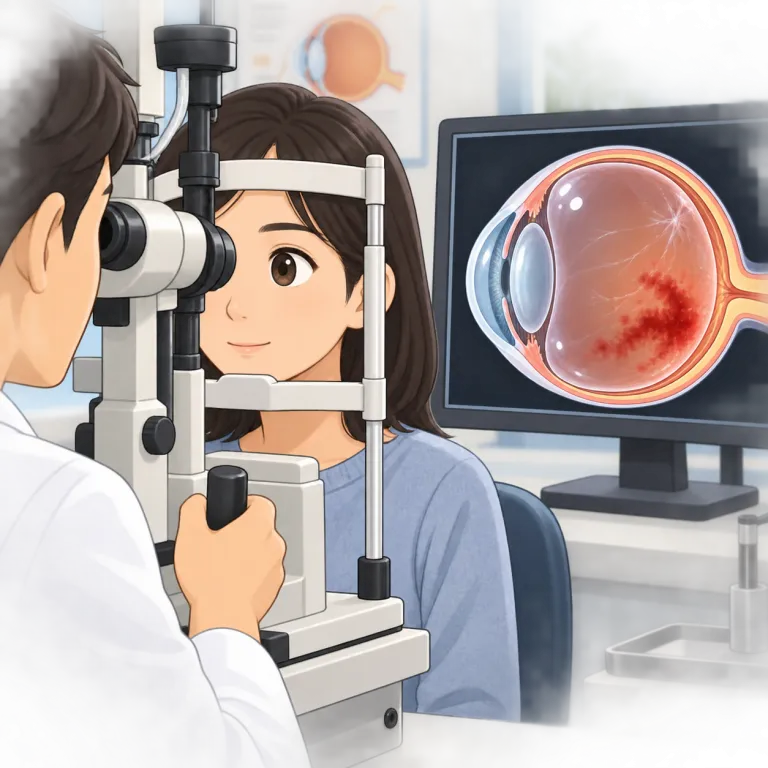
解説 Definition
眼球内を満たす透明なゼリー状の硝子体に関することを表す医学用語。「vitreous hemorrhage(硝子体出血)」などの複合語で使われる。
In medicine, vitreous means relating to the vitreous body or vitreous humor, the clear gel that fills much of the inside of the eye. It commonly modifies terms such as hemorrhage, detachment, and cavity.
覚え方のコツ Memory Tip
眼科で vitreous は、眼球内を満たす透明なゼリー状の「硝子体」に関係することを示します。vitreous hemorrhage は硝子体出血、vitreous detachment は硝子体剥離です。眼の内部にある透明なゼリーと、その出血や剥離を一緒に思い浮かべると、この医学的な語義を取り出せます。
In ophthalmology, link the original glass-like image to the clear gel inside the eye. In phrases such as vitreous hemorrhage and vitreous detachment, vitreous means “relating to the vitreous body.”
例文
The examination revealed a vitreous hemorrhage in the right eye.
検査で右眼の硝子体出血が判明した。
Age-related changes can cause vitreous detachment.
加齢に伴う変化によって硝子体剥離が起こることがある。
The surgeon removed cloudy material from the vitreous cavity.
外科医は硝子体腔から濁った物質を取り除いた。
vitreous の類義語・関連語
vitreous の語源・成り立ち Etymology
ラテン語で「ガラス」を意味する vitrum に関連する vitreus「ガラスの」に由来する。英語では、素材などがガラスに似た性質をもつことを表す形容詞として使われる。
Vitreous comes from Latin vitreus, meaning “of glass,” related to vitrum, “glass.” In this sense, it describes material that has a glass-like appearance or structure.
同じレベルの語彙をもっと
外部辞書で調べる
この英単語をクイズで覚えよう