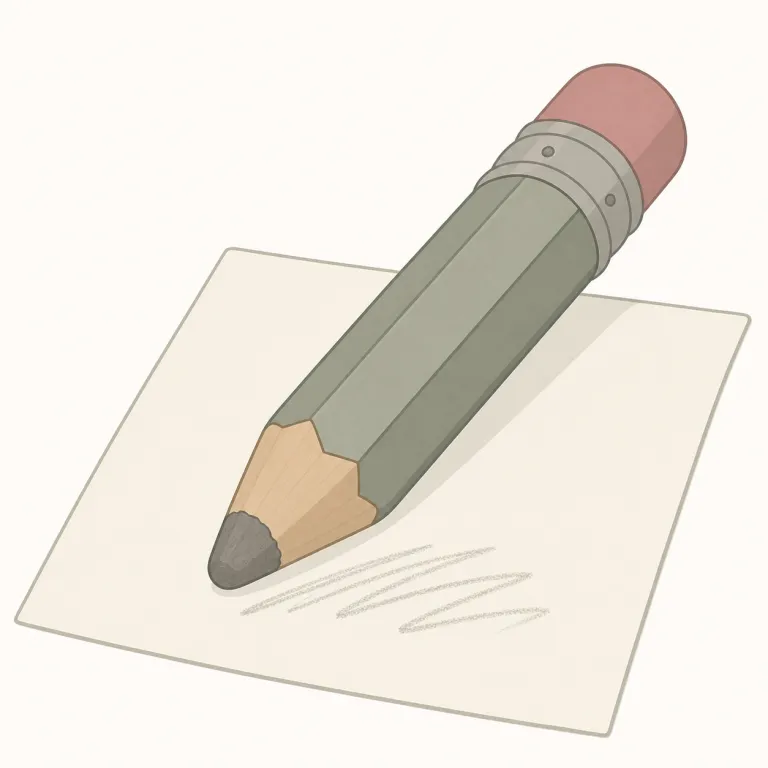
dull
dull は英検準2級・TOEIC 730レベルの英単語で、「鈍い、退屈な、くすんだ」という意味があります。発音記号は /dʌl/ です。
鈍い
解説 Definition
刃物や先のある物が鋭くなく、切れにくい・刺さりにくい状態を表します。鋭さが足りず、力を入れてもすっと切れないようなときに使います。
Not sharp enough to cut or pierce well. It is often used for knives, blades, scissors, or points that have lost their sharp edge.
覚え方のコツ Memory Tip
dull は、刃先を指で見なくても「トマトの皮に刃が入らず、押しても切れない」場面で「鈍い」と覚えると定着しやすい語です。sharp「鋭い」の反対で、a dull knife「切れ味の鈍いナイフ」、dull scissors「切れないはさみ」、a dull blade「鈍った刃」の形が基本。too dull to cut ... なら「鈍すぎて…を切れない」です。刃を研ぐ sharpen と対にして、dull blade を sharpen すると sharp blade になる、と状態の変化まで映像化すると使いやすくなります。
Think of a knife that cannot cut a tomato cleanly. Sharp is the opposite of dull.
例文
This knife is too dull to cut the tomato.
このナイフは切れ味が悪すぎてトマトを切れない。
The old scissors were dull.
その古いはさみは切れ味が悪かった。
I sharpened the dull blade.
私は鈍くなった刃を研いだ。
退屈な
(意味 2)解説 Definition
退屈で興味がわかず刺激や楽しさが欠けている状態を表します。何かに集中できずに注意がそれてしまうような、感覚的にも惹きつける力が弱いさまを指すことが多いです。また、光沢や勢いがなく鈍っているさま、色や音などが鮮やかでない見た目や印象にも使われます。
Dull means not bright, sharp, strong, or interesting. It can describe a knife that does not cut well, a color that is not vivid, or an experience that feels boring. The exact meaning depends on context, but it usually suggests a lack of energy or effect.
覚え方のコツ Memory Tip
dull は、反対語の sharp / bright / exciting とセットで覚えると意味がまとまります。刃物なら sharp でなく「切れない」= a dull knife、色や音なら bright でなく「くすんだ」= dull colors / a dull sound、話や授業なら exciting でなく「退屈な」= a dull lecture。核心は「切れ味・輝き・刺激が弱い」。blunt が「先が丸い形」を言いやすいのに対し、dull は性能や印象が鈍い感じまで含めて使える語です。
Remember `dull` through its opposites: `sharp`, `bright`, and `exciting`. A `dull knife` is not sharp, `dull colors` are not bright, and a `dull lecture` is not exciting. The core feeling is always the same: weak, flat, or lacking energy.
例文
The lecture was quite dull and many students fell asleep.
その講義は非常に退屈で、多くの学生が眠ってしまいました。
He found the movie dull and left the theater early.
彼はその映画が退屈だと感じて、途中で映画館を出ました。
Dull colors like gray and beige are popular in modern design.
グレーやベージュのようなくすんだ色は現代的なデザインで人気があります。
退屈な
(意味 3)解説 Definition
人をわくわくさせず、聞いたり見たりしても面白みがない状態を表す形容詞。授業や会話、映画、仕事など、内容が単調で退屈に感じられる場面でよく使う。刺激や変化が乏しいという響きがあり、人そのものより話や時間の過ごし方への評価として使われやすい。
例文
The lecture was dull and hard to follow.
その講義は退屈で、内容を追うのが大変だった。
We had a dull afternoon with nothing to do.
することがなく、退屈な午後を過ごした。
The book starts well, but the middle part is dull.
その本は出だしはよいが、中盤は退屈だ。
くすんだ
(意味 4)解説 Definition
色・光・見た目に鮮やかさや明るさがなく、冴えない感じを表す形容詞。服や空、部屋の色合い、金属のつやなどが弱く、ぱっとしないときによく使う。単に地味というより、少し灰色がかったくすみや光沢のなさを含むことが多い。
例文
The old curtains had turned a dull yellow.
その古いカーテンはくすんだ黄色に変わっていた。
The room looked dull without natural light.
自然光がないと、その部屋はくすんで見えた。
She chose a dull green sweater for the trip.
彼女は旅行用にくすんだ緑のセーターを選んだ。
dull の類義語・関連語
dull の語源・成り立ち Etymology
古い英語の語に由来し、もともとは「鈍い、鋭くない、はっきりしない」といった意味で使われました。鋭さや強さが足りない様子を表す語として、今の基本義につながっています。
Dull comes from Old English and was used for something not sharp, strong, or clear. Its basic sense is connected with a lack of sharpness.
同じレベルの英単語をもっと
英検準2級の一覧へ →外部辞書で調べる
この単語を英単語クイズで覚えよう