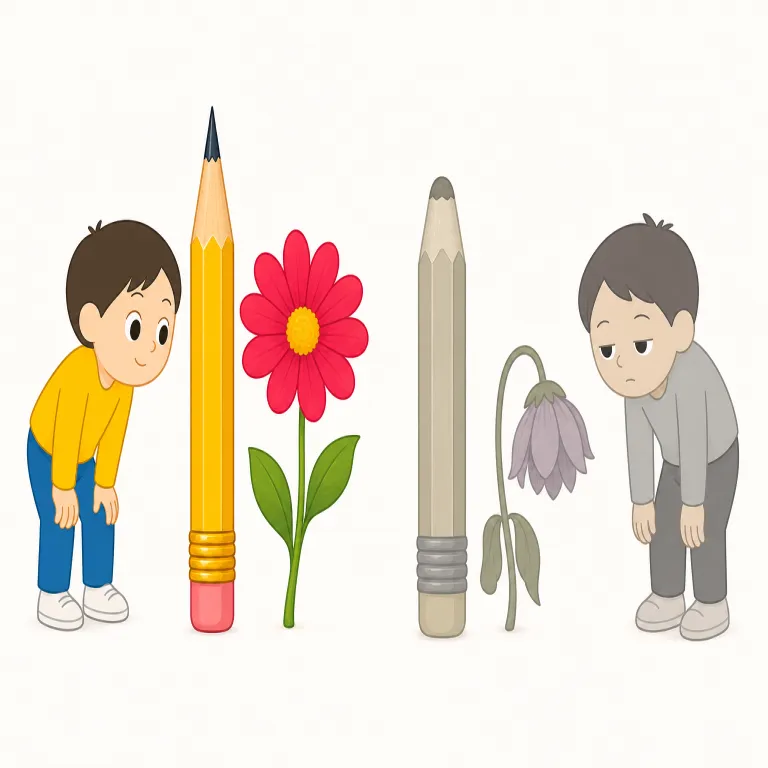
dullness
dullness は英検1級レベルの英単語で、「鈍さ、退屈さ、くすみ」という意味があります。発音記号は /ˈdʌlnəs/ です。
鈍さ、退屈さ、くすみ
解説 Definition
鋭さ・切れ味・反応の鈍い状態、話や作業などが単調で退屈なこと、また金属や肌などの色つやが失われてぼんやりしている状態を表す名詞。文脈によって意味が変わる多義語で、物の性質にも人の印象にも使われる。
Dullness is the quality of being not bright, sharp, or exciting. It can describe color, pain, sound, thinking, or an uninteresting situation, depending on the context. The meaning changes slightly based on what is being described.
覚え方のコツ Memory Tip
まず形で覚えるとよく、dull+-ness で「dullな状態」。dull は「鋭くない・明るくない・おもしろくない」をまとめて持つ語なので、dullness も「鈍さ」「退屈さ」「くすみ」へ自然に広がります。knife の dullness なら切れ味の鈍さ、lecture の dullness なら退屈さ、skin や metal の dullness ならつやのなさ。sharpness, brightness, liveliness の反対側に置くと整理しやすく、文脈でどの dull かを見分けるのがコツです。
This is simply `dull` + `-ness`, meaning the state of being dull. The useful trick is that `dull` has several common shades: not sharp, not interesting, and not bright. So `dullness` can fit a knife, a lecture, or even metal or skin. Put it opposite words like `sharpness`, `brightness`, and `liveliness`.
例文
The dullness of the old knife made it impossible to slice the bread cleanly.
古いナイフの切れ味の鈍さのせいで、パンをきれいに切ることができなかった。
A special polish can restore the shine and remove the dullness from silver jewelry.
特殊な研磨剤を使えば、銀のアクセサリーのくすみを取り除き、輝きを取り戻せる。
The dullness of the lecture made it hard for students to stay focused for the full hour.
講義の退屈さのせいで、学生たちは1時間ずっと集中し続けるのが難しかった。
dullness の類義語・関連語
dullness の語源・成り立ち Etymology
dullness は dull「鈍い・光らない」に名詞化の接尾辞 -ness が付いた語です。dull は古英語由来で「鈍い、にぶい」感覚を持ち、輝きや切れ味の欠けた状態から「くすみ」の意味に納得できます。関連語は dull, dolt。
Dullness comes from dull + the noun ending -ness. Dull is an old English word, from Old English, carrying ideas like "blunt," "slow," or "not bright." From the sense of lacking sharpness or shine, the noun came to mean a state of heaviness, dimness, or lack of energy; dull is the direct related word.
同じレベルの語彙をもっと
英検1級の一覧へ →外部辞書で調べる
この英単語をクイズで覚えよう