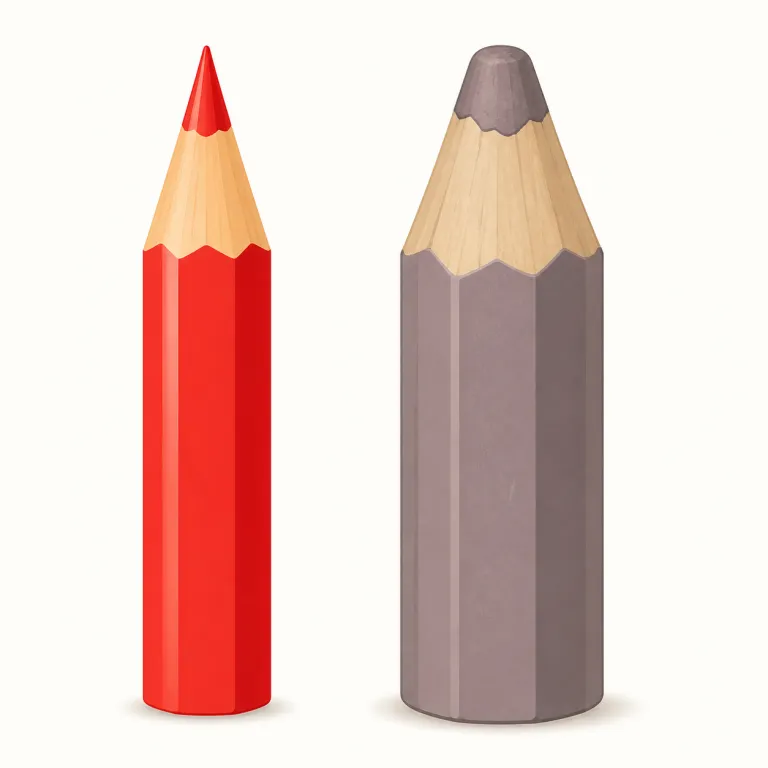
より鈍い、より退屈な、よりくすんだ
解説 Definition
dullの比較級で、より鈍い、より退屈な、またはより光沢のない状態を表す。
Duller means less bright, less sharp, or less interesting than something else. It can describe physical things, such as a knife or a color, or abstract things, such as a lesson or a personality. It is the comparative form of "dull."
覚え方のコツ Memory Tip
dull を「切れ味・明るさ・面白さが足りない」とまとめて覚えると広がりをつかみやすいです。duller はそこに -er が付いた比較級で、「もっと鈍い/もっと退屈/もっとくすんだ」。a dull knife, a dull color, a dull lecture のように、刃物・色・話のどれにも使えるのがポイント。sharp, bright, exciting の反対側に寄る語だと意識すると、意味がぶれません。人に使う場合は「頭の回転が鈍い」寄りになるので、まずはこの3つの場面で覚えると定着しやすいです。
Start with `dull`, a useful word for things that are not sharp, not bright, or not interesting. `Duller` is simply the comparative form, meaning more dull. Keep three easy examples together: `a dull knife`, `a dull color`, and `a dull lecture`. That makes it easier to remember than learning each sense separately.
例文
The colors looked duller under the fluorescent lights of the office.
オフィスの蛍光灯の下では、色がよりくすんで見えた。
With fewer events, winters here are duller than winters in the south.
催しが少ないため、この地域の冬は南部の冬より退屈だ。
The old knife had become duller with years of use.
古いナイフは長年の使用でより切れ味が鈍くなっていた。
duller の類義語・関連語
派生語
duller の語源・成り立ち Etymology
duller は dull の比較級で、語源は古英語 dol「愚かな・鈍い」にさかのぼるゲルマン系の語です。もともとの「切れない・働きがにぶい」という感覚が、刃物にも頭の働きにも広がって「より鈍い」を表します。関連語は dullness, dully。
Duller is the comparative form of dull, a Germanic word that goes back to Old English dol, meaning "foolish" or "slow." The basic idea was bluntness or lack of sharpness, both in tools and in the mind. From that, duller came to mean "more blunt" or "less lively or clear."
同じレベルの語彙をもっと
外部辞書で調べる
この英単語をクイズで覚えよう