
lecture
lecture は英検準2級・TOEIC 730・TOEFL 60・IELTS 5.5レベルの英単語で、「講義、説教、小言」という意味があります。発音記号は /ˈlɛktʃɚ/ です。
意味一覧 (2件)
講義
解説 Definition
人々に特定のトピックについて話す形式的なプレゼンテーション。教育的な内容を多くの聴衆に伝えることです。
A lecture is a formal talk given to teach people about a subject. It is commonly used in schools, universities, and professional training. The word can also refer to a long, serious talk that gives advice or criticism.
覚え方のコツ Memory Tip
lecture は lesson より大人数向けで、先生が前に立ってまとめて話す場面を思い浮かべると定着しやすいです。大学で attend a lecture, give a lecture の形で非常によく出ます。lecturer が「講師」なので、lecture はその人が行うフォーマルな話だとつなげると覚えやすいです。class は授業全体、speech は演説、lecture は教育内容を体系的に話す感じ。長く一方的に説教する含みで使われることもあり、そのニュアンスも一緒に持つと混同しにくくなります。
Picture a university hall with one teacher speaking to many students. That image fits `lecture` better than `lesson` or `class`. It is easy to remember with the common pairs `attend a lecture` and `give a lecture`. Also connect it with `lecturer`, the person who gives it.
例文
The professor gave a lecture on renewable energy.
教授は再生可能エネルギーについての講義を行いました。
Every Monday I attend a lecture on world history.
毎週月曜日に世界史の講義に出席しています。
Students asked questions after the lecture ended.
講義が終わった後、学生たちは質問をしました。
えいたんごクイズでの正答率
この語をはじめて出題された 49人 のうち 44人 が正解しました(90%)。
えいたんごクイズの回答から集計した独自データです。1人につき最初に出題されたときの1回だけを数えており、復習や2回目以降の回答、「わからない」と時間切れは含みません。 集計時点は 2026年9月19日 です。
説教、小言
(意味 2)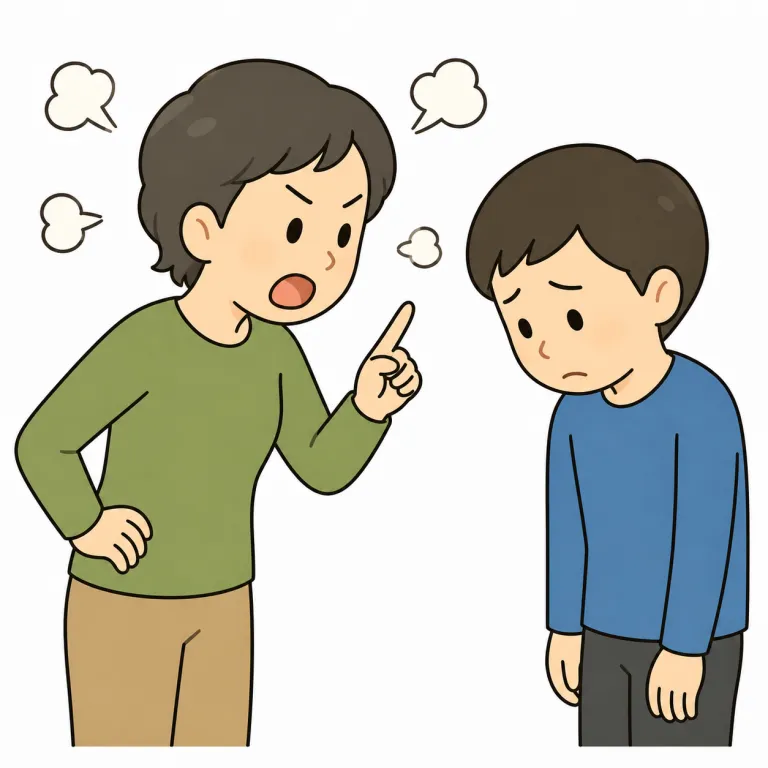
解説 Definition
この lecture は授業の「講義」ではなく、相手の行動や態度を改めさせようとしてする長めの注意や叱責を指す名詞。親や教師、上司などが真面目に言い聞かせる場面でよく使う。聞かされる側にとっては、うんざりする小言という響きを帯びることが多い。
A long, serious talk criticizing someone's behavior and telling them to improve. It is often given by a parent, teacher, or boss and can feel tiresome to the listener.
覚え方のコツ Memory Tip
lecture はこの語義では大学の『講義』ではなく、相手に向かって長くまじめに言い聞かせる『説教』です。give someone a lecture about ... の形で、親や先生、上司が一方的に注意する場面を思い浮かべると覚えやすい。聞く側には『また長い話をされた』といううんざり感が出ます。class の lecture とは切り分けて、責任や態度についての小言だと押さえましょう。
Picture someone talking at length about your behavior while you wish the talk would end. Remember "give someone a lecture about being late" to link this noun with prolonged criticism.
例文
My dad gave me a long lecture about coming home late.
父は、帰宅が遅いことについて私に長々と説教した。
I don't need another lecture on responsibility.
責任感についてこれ以上小言は聞きたくない。
The coach's lecture after the game lasted twenty minutes.
試合後の監督の説教は20分続いた。
lecture の類義語・関連語
lecture の語源・成り立ち Etymology
ラテン語 lectura(読むこと)から。動詞 legere(読む、選ぶ)が語根で、中世の大学で教授がテキストを「読み上げる」形式が講義の原型。関連語: legend(読まれるべき物語)、lesson(読んで学ぶもの)。
Lecture comes from Latin lectura, meaning "a reading," from legere, "to read" or "to gather." In medieval universities, a teacher often taught by reading a text aloud and explaining it. Because of that practice, the word shifted from "reading" to a formal talk or lesson. Related words include lesson and legend.
同じレベルの語彙をもっと
英検準2級の一覧へ →外部辞書で調べる
この英単語をクイズで覚えよう