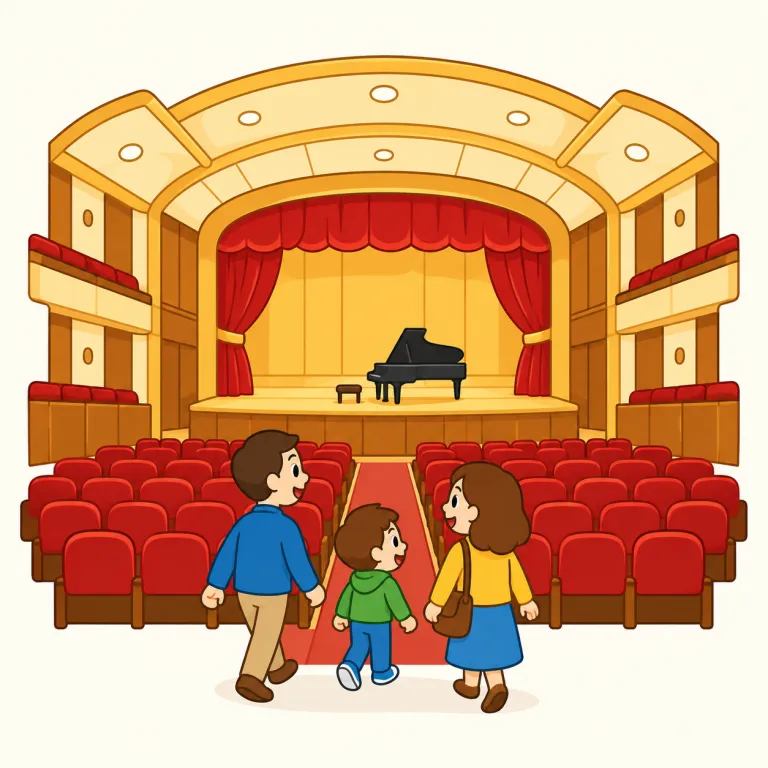
ホール
解説 Definition
ホールとは、建物の中の広い部屋や通路のことを指し、集会や公演などのために使われる大きな空間を意味する。玄関から続く廊下や、大学・公共施設などの広いロビーを指すこともある。コンサートホールや市民ホールなど、多目的な集会施設を指す場合にもよく使われる。
A hall is a large room or public interior space used for gatherings, ceremonies, performances, or waiting. It can also mean an entrance area or a passage inside a building that connects rooms.
覚え方のコツ Memory Tip
「屋根で覆われた広い空間」という歴史的な像から、建物内の広間や通路を結び付けよう。concert hall、grand hall、entrance hall の組み合わせが典型的。room より公共的・広い空間を表しやすく、corridor は細長い通路に重点がある点も区別すると実用的。
Picture a large roofed space inside a building. Typical combinations include concert hall, grand hall, and entrance hall. A hall is often larger or more public than an ordinary room, while a corridor emphasizes a long, narrow passage connecting rooms.
例文
The concert hall was filled with music lovers waiting for the performance to begin.
コンサートホールは公演の始まりを待つ音楽愛好家で埋め尽くされていた。
Please wait in the hall while I check if the doctor is ready to see you.
医師があなたを診る準備ができているか確認する間、ホールでお待ちください。
The graduation ceremony was held in the university's grand hall.
卒業式は大学の大ホールで行われた。
hall の類義語・関連語
hall の語源・成り立ち Etymology
古英語 heall(大きな覆いのある建物・広間)に由来し、ゲルマン祖語 *hallō(覆う)が語源。元は族長が宴会や集会を開く大広間を指した。関連語に hell(古英語で「隠された場所」)がある。「屋根で覆われた大きな空間」が原義と覚えるとよい。
Hall comes from Old English heall, meaning a large roofed building or spacious main room. It is related to Germanic words associated with covering or concealment, reflecting the early idea of an enclosed place protected by a roof. In medieval society, the hall was often the principal room where a household ate, received guests, and held meetings. Its meaning later expanded to public buildings, performance spaces, entrance areas, and indoor passages.
同じレベルの語彙をもっと
外部辞書で調べる
この英単語をクイズで覚えよう