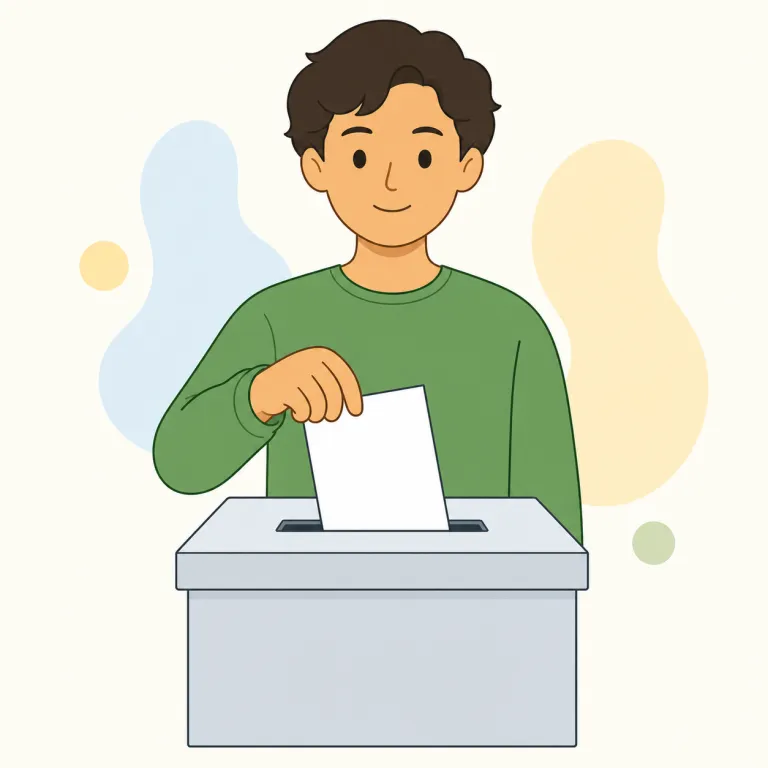
voter
voter は英検2級・TOEIC 860・TOEFL 80・IELTS 6.5レベルの英単語で、「有権者」という意味があります。発音記号は /ˈvoʊtɚ/ です。
有権者
解説 Definition
選挙で投票する人、または投票する資格を持つ人のことです。年齢や国籍などの条件は国や制度によって異なります。ニュースでは eligible voters(投票資格のある人々)や registered voters(登録有権者)のような形でよく使われます。
A voter is a person who has the right to vote in an election and who may choose a candidate or decide an issue. The word is commonly used in politics, government, and public discussion. It can refer both to people in general and to specific groups of people who vote.
覚え方のコツ Memory Tip
vote が分かれば覚えやすい語。voter は「vote する人」で、-er は teacher / runner と同じ「〜する人」を表す。まず vote = 投票する、voter = 投票する側の人、と動詞と名詞のセットで固定すると強い。ニュースでは registered voters, eligible voters, undecided voters, voter turnout などの形で頻出。candidate は立候補者、voter は票を入れる人。elector は制度寄りで硬めなので、普段は voter を基本形として押さえると整理しやすい。
If you know vote, then voter is easy: the -er ending means a person who does something, like teacher or runner. Fix the pair in your mind as vote = the action, voter = the person. News phrases like registered voters and voter turnout help the word stay in memory.
例文
Every voter should participate in elections.
すべての有権者は選挙に参加すべきです。
The voters decided the outcome of the election.
有権者が選挙の結果を決めました。
Young voters are increasingly important in politics.
若い有権者は政治においてますます重要になっています。
えいたんごクイズでの正答率
この語をはじめて出題された 53人 のうち 41人 が正解しました(77%)。
えいたんごクイズの回答から集計した独自データです。1人につき最初に出題されたときの1回だけを数えており、復習や2回目以降の回答、「わからない」と時間切れは含みません。 集計時点は 2026年9月19日 です。
voter の類義語・関連語
派生語
voter の語源・成り立ち Etymology
ラテン語 votum(誓い・願い)から派生した vote に行為者接尾辞 -er が付いた語。語根 vov-/vot-(誓う・願う)は vow(誓い)や devotion(献身)と同源。古代ローマで神への誓願が投票行為と結びつき「票を投じる人=有権者」となった。
Voter was built in English from vote plus the agent ending -er. Vote comes from Latin votum, meaning "vow" or "wish," and it is related to vow and devotion. The idea moved from making a solemn pledge to formally expressing a choice, so voter came to mean a person who casts a vote.
同じレベルの語彙をもっと
英検2級の一覧へ →外部辞書で調べる
この英単語をクイズで覚えよう