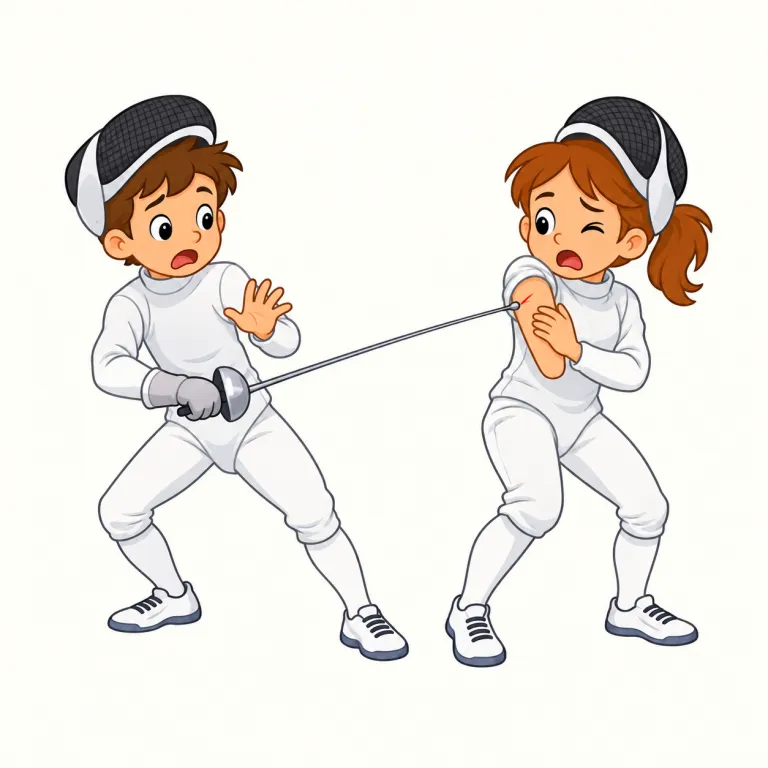
傷を負う
解説 Definition
wounding は wound(傷を負わせる)の現在分詞・動名詞で、名詞として「負傷させること」「傷を負わせる行為」を表します。物理的なけがについて使うのが基本で、比喩的な感情表現とは区別して覚えるとよいです。
Wounding is the act or event of causing a physical injury to a person or animal, especially one involving a weapon or a serious accident. As a noun, it often appears in the pattern “the wounding of” followed by the injured person or group.
覚え方のコツ Memory Tip
wounding は動詞 wound「傷を負わせる」に -ing を付けた動名詞で、ここでは the wounding of a person の形で「人を負傷させること・負傷事件」を表します。原形 wound はこの語義では /wuːnd/、過去を表す wound /waʊnd/ とは発音が違います。物理的な負傷を中心に覚えましょう。
Wounding is the -ing form of the verb wound, meaning “to injure.” In this sense, wound is pronounced /wuːnd/; do not confuse it with wound pronounced /waʊnd/, the past tense of wind. As a noun, wounding names the act or event rather than the injury itself. Remember the formal pattern “the wounding of two workers” or “an accidental wounding.” In the examples here, the focus is physical injury, often serious enough to be investigated or reported, rather than merely hurting someone’s feelings.
例文
The wounding of two workers led to a safety review.
作業員2人が負傷したことを受けて、安全点検が行われました。
Police investigated the wounding of a man outside the station.
警察は駅の外で男性が負傷した事件を調べました。
The report described the accidental wounding during training.
報告書は訓練中に起きた偶発的な負傷について説明していました。
wounding の類義語・関連語
wounding の語源・成り立ち Etymology
wounding は古英語 wund「傷」にさかのぼる wound に、動作・状態を名詞化する -ing が付いた語です。語根は「切れて痛むこと」で、wound や wounded と並べると「傷つけること/傷そのもの」の感覚がつかめます。
Wounding consists of wound and the action-forming ending -ing. The noun and verb wound go back to Old English wund, meaning a bodily injury, and its related Germanic verb. Adding -ing creates a word for the act or event of causing such an injury. This wound is historically and semantically separate from the identically spelled past tense wound of the verb wind.
同じレベルの語彙をもっと
外部辞書で調べる
この英単語をクイズで覚えよう