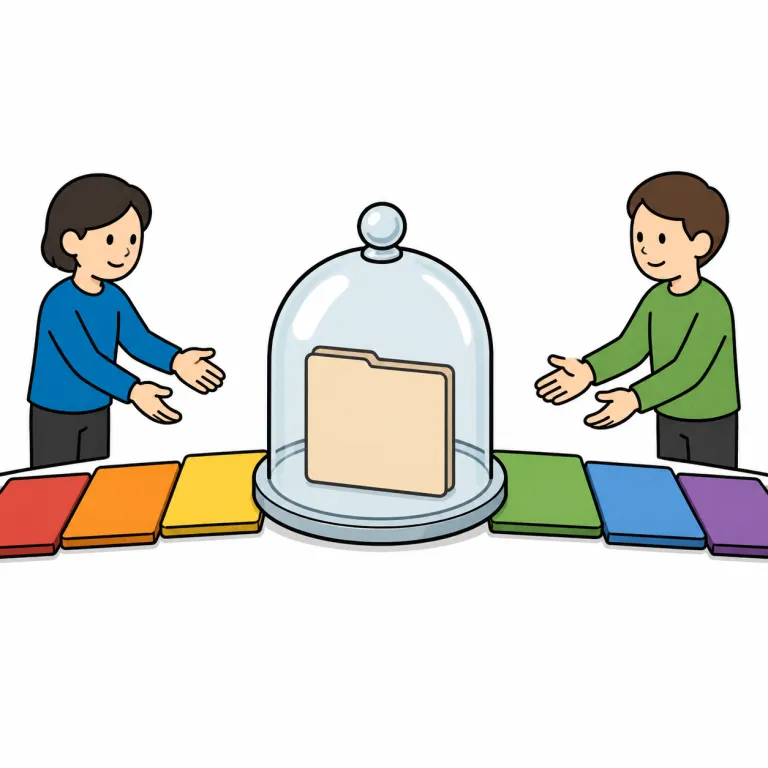
権利者未定の状態
noun 名詞法律上の権利や爵位などについて、継承者または所有者がまだ確定していない状態をいう。通常はin abeyanceの形で用いられ、単に手続きが一時停止している場合とは区別される。
一時的に活動や手続きが停止・中断されている状態。法律用語でもよく使われる。
Abeyance means a state of being temporarily stopped, inactive, or not being used. It is often used in formal, legal, or official contexts. Something in abeyance may continue later, but for now it is on hold.
単独で覚えるより in abeyance というかたまりで覚えると残りやすい語。提案・計画・権利・手続きが「廃止された」のではなく「当面止まって宙づり」の状態を表す。suspension よりも、再開や判断待ちの保留感が強い。法律・制度文脈でよく出るので、remain in abeyance, hold a case in abeyance の形まで一緒に覚えると実戦的。語尾 -ance は状態を表す名詞に多く、形容詞 abeyant も見かける。
Do not memorize it alone; memorize in abeyance. That phrase often means something is not ended, just held back for now. Think of a plan or case waiting in the air, paused until a later decision.
The project has been held in abeyance until further funding is secured.
そのプロジェクトはさらなる資金が確保されるまで休止状態にある。
The court placed the decision in abeyance pending the appeal.
裁判所は控訴審を待ってその決定を保留にした。
Many reforms fell into abeyance during the political crisis.
政治危機の間、多くの改革が棚上げになった。
文脈によって、次の意味でも使われます。
法律上の権利や爵位などについて、継承者または所有者がまだ確定していない状態をいう。通常はin abeyanceの形で用いられ、単に手続きが一時停止している場合とは区別される。
abeyance は古フランス語 abeance を経て、語源はラテン語 badare「ぽかんと口を開ける」とされる。もとは「期待して待つ」感じで、権利や状態が宙づりになる休止を表し、関連語に bay(口を開ける古義)や abeyant がある。
Abeyance came into English from Old French abeance. It is usually traced back to a Latin root meaning "to gape" or "hold open," which gave a sense of waiting or expectation. From that idea, the word came to mean a state of being temporarily suspended or left unsettled.
この英単語をクイズで覚えよう