公然の、合法的な
adjective 形容詞組織や活動が秘密裏ではなく、公に認められる形で運営・実施されていることを表す。特に政治活動などについてundergroundと対比して使われ、単に物理的に地面より上にあるという意味とは異なる。
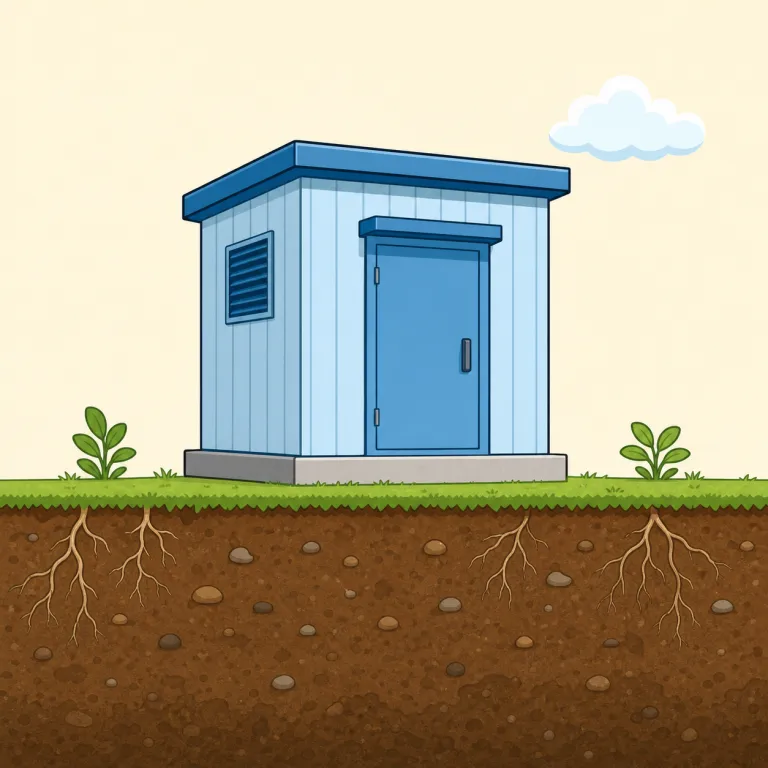
地上にある、地面より上にあるさま。地下ではない場所を指す。
Aboveground describes something that is on or over the surface of the earth, not under it. It is often used for parts of plants, buildings, pipes, or transport systems. In technical contexts, it contrasts with underground.
above + ground にそのまま分けて覚えるのが最短です。ground が「地面」だと分かれば、aboveground は「地面より上にある」。まず underground「地下の」と対にして定着させると忘れにくいです。建物・設備・配管などで underground pipes に対して aboveground tanks のように使われます。さらに「地上の」から転じて、活動や組織が underground(秘密の・非公然の)ではなく、表立った・公然のという含みで使われることも意識すると記憶が強くなります。
This word is very direct: `above` + `ground`. Learn it together with `underground`, because the pair is easy to remember. Think of common combinations like `aboveground tank` or `aboveground structure`.
The aboveground portion of the plant absorbs sunlight for photosynthesis.
植物の地上部分は光合成のために日光を吸収する。
The city replaced its aboveground power lines with underground cables.
市は地上の送電線を地下ケーブルに置き換えた。
Aboveground storage tanks must meet strict environmental regulations.
地上の貯蔵タンクは厳しい環境規制を満たさなければならない。
文脈によって、次の意味でも使われます。
組織や活動が秘密裏ではなく、公に認められる形で運営・実施されていることを表す。特に政治活動などについてundergroundと対比して使われ、単に物理的に地面より上にあるという意味とは異なる。
aboveground は above「上に」と ground「地面」の複合で、above は古英語 abufan、ground は古英語 grund にさかのぼる。underground や background と見比べると、「地面より上にある」から転じて「公然の・表立った」の感覚まで広がる。
Aboveground is a compound of above and ground. Above comes from Old English abufan, and ground comes from Old English grund. The word first meant simply "above the ground," and later also came to suggest something open or public, by contrast with underground.
この英単語をクイズで覚えよう