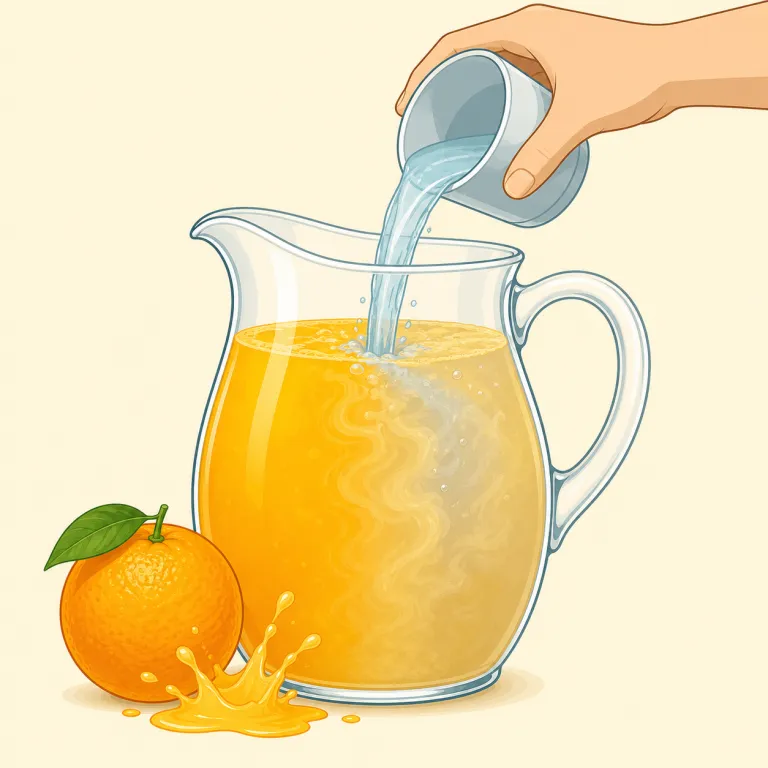
混ぜ物をする
解説 Definition
食品や薬品などに質の劣る物質を混ぜ、本来の純度や品質を意図的に低下させること。
This verb means to deliberately lower the purity or quality of food, medicine, or another product by adding an inferior substance. It often suggests dishonest or improper mixing.
覚え方のコツ Memory Tip
adulterate は、純粋な食品や薬に別の物を混ぜて品質を落とす場面に使います。adulterate A with B「AにBを混ぜて粗悪にする」という型で覚えると便利です。dilute は水などで「薄める」こと自体を指しますが、adulterate は不正な混入や品質低下を強く含意します。名詞 adulteration「粗悪化、不純物の混入」も関連付けると定着しやすいでしょう。
Remember the pattern adulterate A with B: someone adds B to A and makes A poorer in quality. Unlike dilute, which can simply mean making something weaker, this verb strongly suggests contamination or dishonest substitution.
例文
Some producers adulterated the honey with cheap syrup.
一部の生産者は、蜂蜜に安価なシロップを混ぜて水増しした。
It is illegal to adulterate food with harmful chemicals.
食品に有害な化学物質を混ぜることは違法だ。
Tests showed that the oil had been adulterated.
検査の結果、その油には混ぜ物がされていたことが分かった。
adulterate の類義語・関連語
adulterate の語源・成り立ち Etymology
ラテン語 adulterare「汚す、偽物にする」に由来し、後期ラテン語を経て英語に入りました。英語では特に食品や薬品へ不純物を加えて品質を損なう行為を表します。adult「成人」と形は似ていますが、意味上は別に覚えるのが適切です。
It comes from the Latin adulterare, meaning “to corrupt” or “to make false,” and entered English through Late Latin. Despite its similar appearance, it should be remembered separately from adult.
同じレベルの語彙をもっと
外部辞書で調べる
この英単語をクイズで覚えよう