むき出しにする、さらけ出す(bare の現在分詞)
解説 Definition
baring は動詞 bare(覆いを取る、さらけ出す)の現在分詞です。進行形や分詞構文などで、身体や表面を露出させること、または感情などを隠さず示すことを表します。
Baring is the present participle of bare, meaning removing a covering from something or exposing what was previously hidden. It can describe revealing a body part, an underlying surface, or private thoughts and feelings.
覚え方のコツ Memory Tip
baring は動詞 bare「覆いを取る、さらけ出す」の現在分詞で、語末の黙字 e を落として -ing を付ける。発音は /ˈberɪŋ/。baring one’s arms「腕をさらす」、baring one’s feelings「感情をさらけ出す」で物理・比喩の両用法を覚える。同音の bearing は bear の変化形で、つづりと意味が異なる。
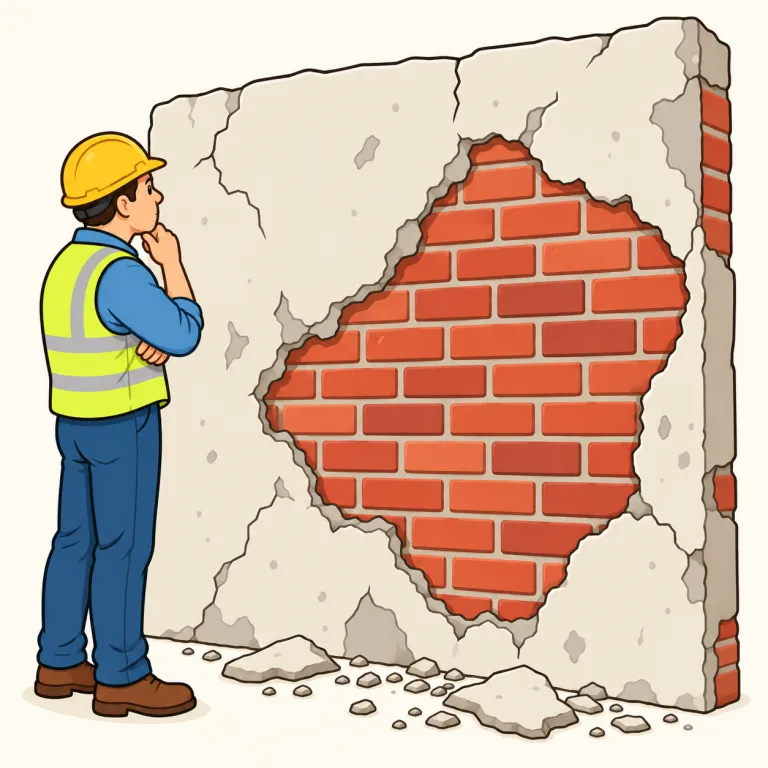
Begin with the verb bare, “to uncover or reveal.” To form its present participle, drop the final silent e before adding -ing: bare becomes baring, pronounced /ˈberɪŋ/. Picture someone baring their arms to cold air, a damaged wall baring the bricks beneath it, or a speaker baring her feelings. All three scenes involve removing a physical or emotional covering. Do not confuse baring with bearing: they sound alike, but bearing comes from bear and has different meanings.
例文
The worker stood there, baring his arms to the cold air.
その作業員は腕を冷たい空気にさらしてそこに立っていました。
The broken wall was baring the old bricks underneath.
壊れた壁は下にある古いレンガをむき出しにしていました。
She spoke honestly, baring her feelings to the group.
彼女は正直に話し、みんなに自分の気持ちをさらけ出しました。
baring の類義語・関連語
baring の語源・成り立ち Etymology
動詞 bare に現在分詞を作る接尾辞 -ing を付け、語末の黙字 e を落としてできた形です。bare は古英語 bær(覆われていない、裸の)に由来し、後に「覆いを取る、さらけ出す」という動詞としても使われるようになりました。
Baring is formed from the verb bare plus -ing, with the final silent e dropped according to the usual spelling rule. Bare comes from Old English bær, meaning uncovered, naked, or exposed. English later used the adjective as a verb meaning “to uncover” or “to reveal.” The participial form can therefore describe an ongoing act of exposing a surface, body part, fact, or feeling that had previously been covered or concealed.
同じレベルの語彙をもっと
外部辞書で調べる
この英単語をクイズで覚えよう