露出させる、明らかにする
verb 動詞覆いや衣服を取り除いて、体の一部や物を外から見える状態にすることを表します。bare one's teeth のような身体動作のほか、bare one's soul のように秘密や感情を包み隠さず示す比喩的用法もあります。
bare は英検準2級レベルの英単語で、「裸の/最小限の」という意味があります。発音記号は /bɛɚ/ です。
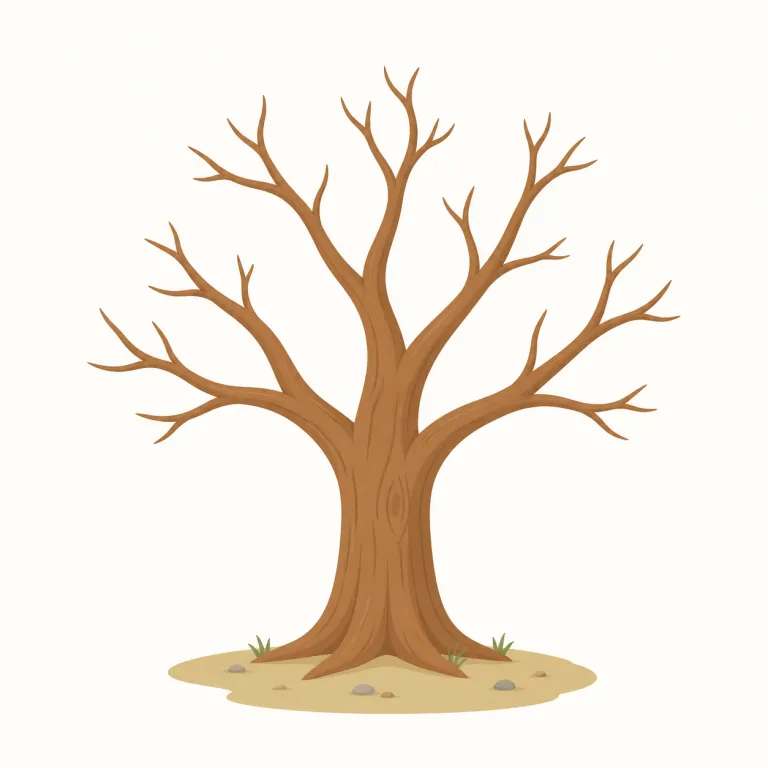
何かが覆われておらず、保護もされていない剥き出しの状態を指します。肌や手などが外部にさらされているような場面に使います。また、必要最小限の状態や必要最低限だけで構成されたぎりぎりの状況も意味します。
Bare means not covered, dressed, or protected. It can describe something physically uncovered, or something very simple with only the most necessary parts. It is often used for bodies, walls, rooms, or basic facts.
核は「覆い・余分なものがない」。bare hands, bare feet なら手袋や靴下なしで“むき出し”、bare wall は飾りのない壁、the bare minimum は「必要最低限」まで意味が広がる。naked は人や体の“裸”の感じが強いが、bare は物・場所・事実にも広く使えるのがポイント。bear(クマ/耐える)とのつづり違いに注意。barely も「最低限しかない→かろうじて」と結ぶと残りやすい。
Think of `bare` as "with nothing extra on it." `bare hands`, `bare feet`, and `bare walls` all share that image: no cover, no decoration, no added layer. Be careful not to mix it up with `bear`.
The bare wall had no pictures on it.
何も飾られていない壁には、絵が一枚もありませんでした。
In the accident, he scraped his bare hands when he fell on the ground.
事故で素手のまま地面に倒れたとき、彼は手を怪我しました。
I took only the bare minimum for camping.
キャンプには必要最低限の物だけ持っていきました。
文脈によって、次の意味でも使われます。
覆いや衣服を取り除いて、体の一部や物を外から見える状態にすることを表します。bare one's teeth のような身体動作のほか、bare one's soul のように秘密や感情を包み隠さず示す比喩的用法もあります。
bare は古英語 bær「むき出しの・衣服のない」に由来し、ゲルマン系の古い語です。もともと「覆うものが何もない」が中心イメージなので、「裸の」だけでなく「最低限の、飾りのない」という意味にも広がりました。関連語は barely, bareness です。
"Bare" comes from Old English bær, an old Germanic word meaning "uncovered" or "without clothing." Its basic idea was that nothing covers something. From that, it later came to mean not only "naked" but also "plain" or "without extra things," as in "bare minimum."
この英単語をクイズで覚えよう