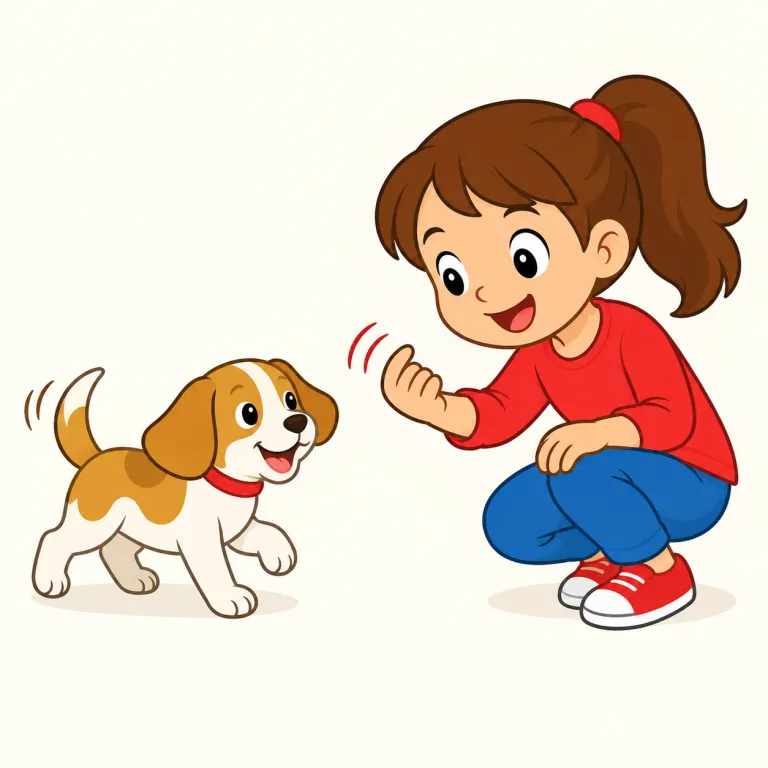
手招きする
解説 Definition
beckoning は beckon(手招きする、身ぶりで呼ぶ)の現在分詞です。人に近づいたり、ついて来たりするよう合図している動作を表します。
Beckoning is the present-participle form of beckon and describes making a gesture that signals someone to approach, follow, or pay attention. It is used in progressive verb forms and in participial phrases that modify a person or other noun.
使い方 Usage
- be beckoning to 人で「人に手招きしている」。beckoning 人 to do は、人に何かをするよう身ぶりで促す形です。 Use be beckoning to someone for an ongoing gesture toward that person. Beckoning someone to do something describes a gesture urging that person to act.
- a teacher beckoning a student のように、beckoning 以下で前の名詞がしている動作を説明できます。 A phrase such as a teacher beckoning a student describes the action of the preceding noun.
覚え方のコツ Memory Tip
beckon に -ing を付けて beckoning。語末の n は重ねません。同系の beacon「合図の光」と結び付け、「目に見える合図で呼ぶ」と覚えましょう。
Add -ing to beckon without doubling the n: beckoning. Connect it with the related word beacon, a signal light, and remember the shared image of a visible signal calling someone closer.
例文
She is beckoning to her friend at the door.
彼女はドアのところで友人に手招きしています。
The guide was beckoning the group to follow him.
ガイドは一行に自分について来るよう手招きしていました。
I saw a teacher beckoning a student from across the hall.
廊下の向こうから先生が生徒を手招きしているのが見えました。
beckoning の類義語・関連語
類義語
対義語
派生語
紛らわしい語
beckoning の語源・成り立ち Etymology
beckoning は beckon + -ing。beckon は中英語 bekenen、さらに古英語 beacnian/gebecnian「身ぶりで合図する」にさかのぼり、beacon と同系です。『光るしるし→合図→手招きする』と考えると意味がつかみやすいです。
Beckoning is the present participle and gerund formed from beckon plus -ing. Beckon comes through Middle English bekenen from Old English forms such as bēacnian or gebecnian, which meant to make a sign or signal. It is historically related to beacon, a visible signal or guiding marker. The modern form preserves the central idea of communicating by a sign, especially a bodily gesture that calls someone nearer or directs movement.
同じレベルの語彙をもっと
外部辞書で調べる
この英単語をクイズで覚えよう