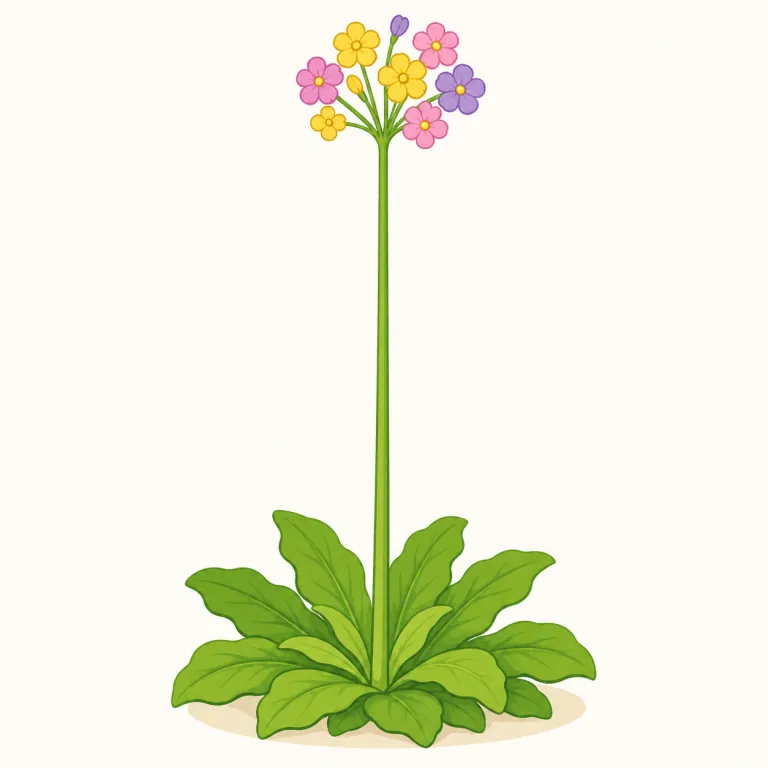
花茎
解説 Definition
花をつけた茎、特に葉がない裸の茎。植物学用語として使用される。
A scape is a long flower stalk that grows from the base of a plant and usually has no leaves on it. It is a technical word mainly used in botany or gardening. Plants such as onions and some lilies produce scapes.
覚え方のコツ Memory Tip
scape は stem や stalk の仲間ですが、ただの「茎」ではなく、葉をつけずに地際からすっと伸び、花だけを先端につける茎を指します。チューリップ、スイセン、タンポポの“葉は下にあり、上には一本の花の軸だけが立つ姿”を映像で固定すると覚えやすいです。stem は広い意味の茎、stalk は花や実を支える軸、scape はその中でも植物学で使う限定ラベル。escape や landscape の scape とは切り離して覚えると混乱を防げます。
Remember `scape` as a special plant word, not an everyday word like `stem`. Picture leaves staying low while one clean stalk rises up and carries only the flower. Keeping that image separate from `escape` or `landscape` helps avoid confusion.
例文
The flower bloomed at the top of the scape with no leaves along the stem.
花は葉のない花茎の先端に咲いた。
The daffodil's scape rises directly from the bulb and bears the flower.
水仙の花茎は球根から直接伸び、花をつける。
The scape of an iris can reach three feet in height.
アイリスの花茎は高さ3フィートに達することがある。
scape の類義語・関連語
紛らわしい語
scape の語源・成り立ち Etymology
scape は植物学で「花茎」を指し、ラテン語 scapus、さらにギリシャ語 skapos「杖・棒」に由来します。細くまっすぐ立つ“棒”のイメージがそのまま意味になっており、scepter も同系なので、一本すっと伸びる感じで覚えられます。
Scape, in the botanical sense, comes from Latin scapus and Greek skapos, meaning "staff," "rod," or "shaft." The word was used for a long, straight plant stem because it looked like a stick. Its meaning stayed close to that original image of a single upright stalk. Scepter is from a related Greek root.
同じレベルの語彙をもっと
外部辞書で調べる
この英単語をクイズで覚えよう