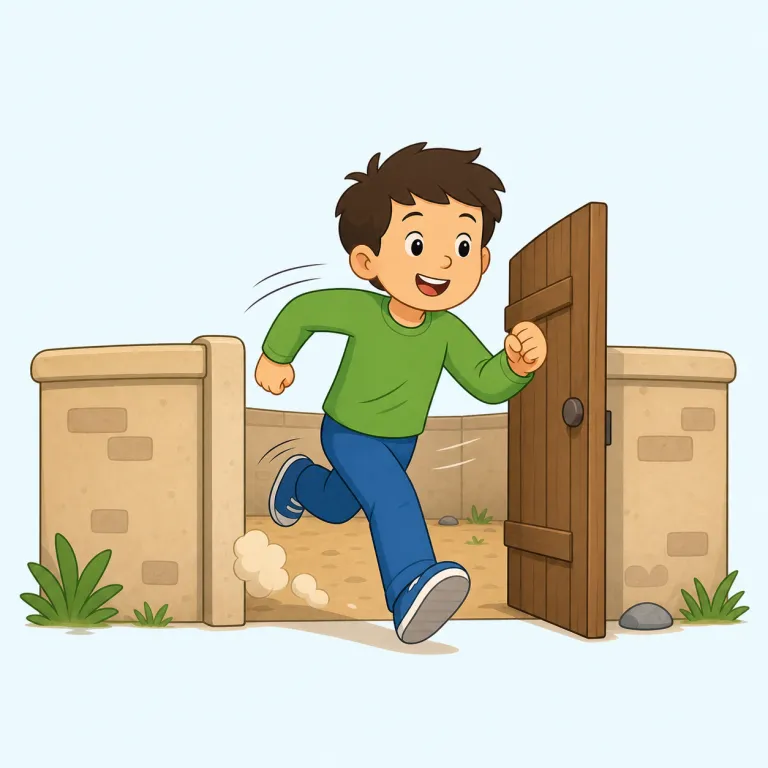
escape
escape は英検準2級・TOEIC 600レベルの英単語で、「逃げる、脱出、逃避、免れる」という意味があります。発音記号は /ɪˈskeɪp/ です。
意味一覧 (3件)
逃げる
解説 Definition
危険な場所や閉じ込められた状態から外へ出て、相手や状況から自由になるときの動詞。人や動物、囚人などが追跡や拘束を振り切る場面でよく使う。火事や事故の現場、刑務所からの脱走など、実際にその場を離れて助かる文脈で特に典型的。
To get out of a dangerous place or a situation in which you are trapped or held. It is used when people or animals become free from confinement or get away from someone pursuing them.
覚え方のコツ Memory Tip
まず動詞の escape「逃げる」を知っておくと、名詞でも「逃げること」「逃げ道」とそのまま受け取りやすい。危険からの脱出では make an escape, a narrow escape, a prison escape がよく出る。比喩では an escape from reality や an escape from stress の形で「現実・重圧から離れる気晴らし」。run away より、ただ走るのでなく『うまく抜け出す』感じがある。
Picture someone successfully getting out through an opening in a locked room. Remember escape from followed by a place, as in escape from prison. Focus on becoming free, whether or not running is involved.
例文
The dog escapes from the box.
犬が箱から抜け出す。
A bird escapes the cage.
鳥がかごから逃げる。
The cat escapes the room.
猫が部屋から逃げる。
脱出、逃避
(意味 2)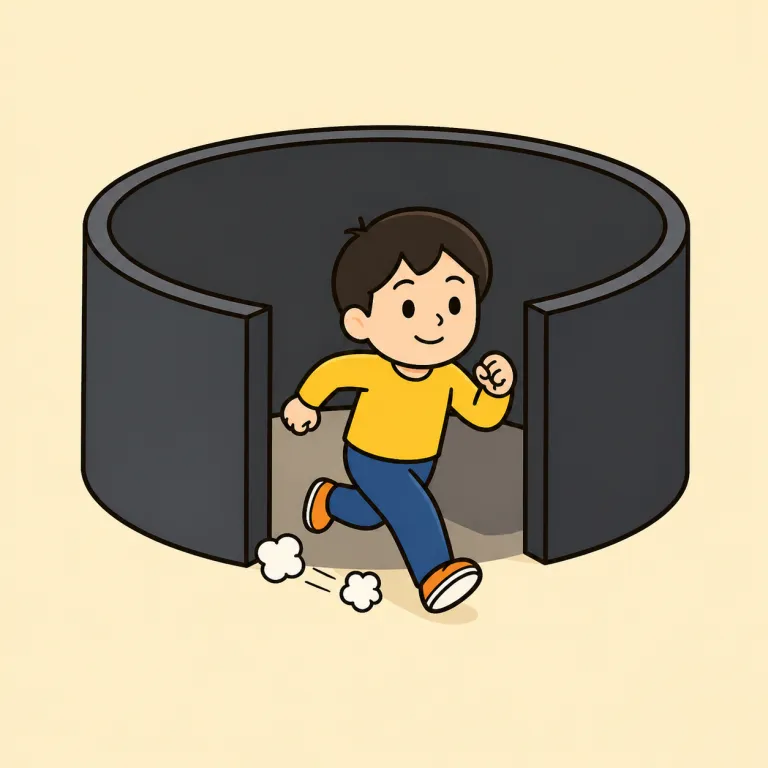
解説 Definition
危険な場所や閉じ込められた状況から逃れて外へ出ること、または精神的な重圧や日常のストレスから一時的に離れることを表す名詞。物理的な脱出だけでなく、比喩的に現実からの逃避や気晴らしの手段を指すこともある。
An escape is a successful act of getting away from a place, person, or dangerous situation. It can also mean a way to forget normal problems for a short time, especially through entertainment or imagination. The second meaning is common in more emotional or literary contexts.
例文
They planned an escape from the room.
彼らは部屋からの脱出を計画しました。
The boy made his escape through the window.
その少年は窓から脱出しました。
Music is an escape from my worries.
音楽は悩みから逃れるための気晴らしです。
えいたんごクイズでの正答率
この語をはじめて出題された 40人 のうち 37人 が正解しました(93%)。
えいたんごクイズの回答から集計した独自データです。1人につき最初に出題されたときの1回だけを数えており、復習や2回目以降の回答、「わからない」と時間切れは含みません。 集計時点は 2026年9月19日 です。
免れる
(意味 3)
解説 Definition
悪い結果や義務、危険、被害などを受けずにすむときの動詞。直接その場から逃げるというより、罰や責任、影響が自分に及ばないことを表す。事故を免れる、非難を免れるのように、抽象的な対象とも自然に結びつく。
To avoid suffering harm, punishment, blame, or another unwanted consequence, or to avoid having to meet an obligation. It can suggest that someone was fortunate enough to remain unaffected.
覚え方のコツ Memory Tip
escape は「その場から走って逃げる」だけでなく、「悪い結果が自分に及ばずにすむ」と覚えると使いやすいです。escape serious injury なら、けがの場面から脱出したというより「大けがをせずに済んだ」。escape responsibility は「責任から逃走する」よりも「責任を免れる」。危険・罰・非難・影響などが自分に届く前にすり抜ける感じで、avoid に近いが、運よく被害を受けなかった響きもあります。
Imagine an unwanted consequence passing by without reaching you. In escape serious injury, the person suffers no serious injury, while escape responsibility means avoiding an obligation. Remember the pattern escape followed directly by the unwanted result or obligation.
例文
He was lucky to escape injury.
彼は幸運にもけがを免れた。
No one can escape blame for this mistake.
この失敗については誰も非難を免れない。
The town escaped damage in the storm.
その町は嵐の被害を免れた。
escape の類義語・関連語
escape の語源・成り立ち Etymology
ラテン語 ex-(外へ)+ cappa(マント)から古フランス語 eschaper を経て英語に。直訳は「マントを脱ぎ捨てて逃げる」で、捕まれた上着を置いて逃走する情景が原義。関連語: cape(マント)、escapade(冒険的逃避)。
It came through Old French eschaper from Latin elements ex-, meaning out, and cappa, meaning cloak. The original image is leaving a cloak behind to get free of someone's grasp.
同じレベルの語彙をもっと
英検準2級の一覧へ →外部辞書で調べる
この英単語をクイズで覚えよう