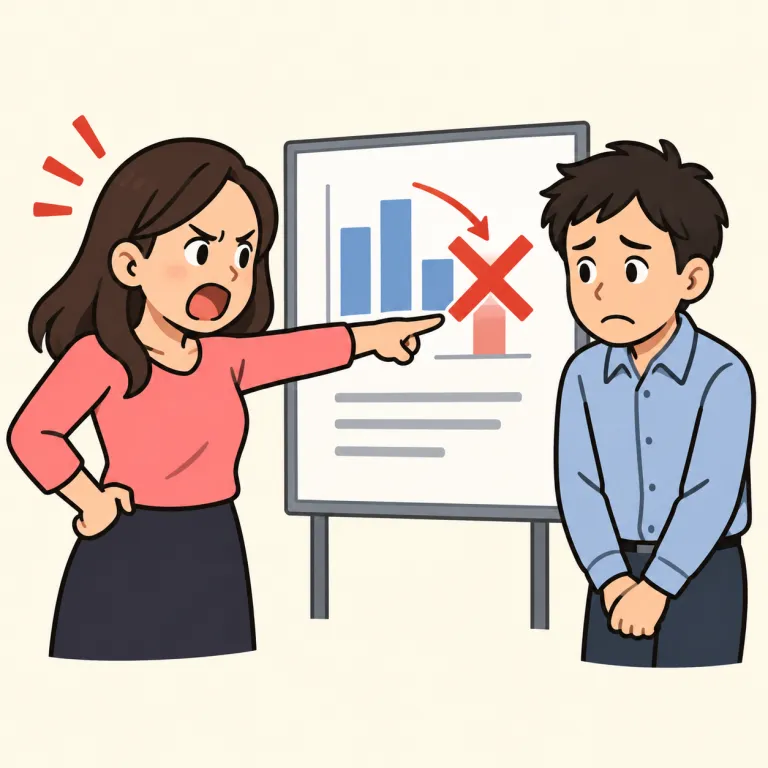
責める
解説 Definition
blaming は blame(責める、非難する)の現在分詞・動名詞です。誰かを失敗や問題の原因だとして責めている動作、または責めること自体を表します。
Blaming is the act or ongoing action of holding a person or thing responsible for a mistake, failure, or harmful situation. It is the present participle or gerund of blame and commonly occurs in the pattern “blame someone for something.”
覚え方のコツ Memory Tip
blaming は blame「責める」の現在分詞・動名詞。語末の無音の e を落として -ing を付け、blame → blaming となります。発音は /ˈbleɪmɪŋ/ で、blame の /eɪm/ に /ɪŋ/ が続きます。blame A for B「BをAのせいにする」を一まとまりで覚えましょう。
Blaming is formed from blame by dropping the final silent e before adding -ing: blame → blaming. It is pronounced /ˈbleɪmɪŋ/, keeping the /eɪm/ sound of the base and adding /ɪŋ/. Remember it through the useful structure blame A for B: “She is blaming me for the mistake.” The word does more than mention a problem; it assigns responsibility for that problem to someone or something. Compare accusing, which often introduces a specific offense, and criticizing, which expresses disapproval without necessarily saying who caused the problem.
例文
She is blaming me for the mistake.
彼女はそのミスを私のせいにしています。
Stop blaming your brother.
弟を責めるのはやめなさい。
They kept blaming the driver after the accident.
事故のあと、彼らは運転手を責め続けました。
blaming の類義語・関連語
blaming の語源・成り立ち Etymology
古フランス語 blasmer(非難する)からの借用で、さらにラテン語 blasphemare(冒涜する)、ギリシャ語 blasphēmein(悪く言う)に遡る。blame+ing で現在分詞形。関連語:blame(名詞形・非難)、blasphemy(冒涜)。神への不敬な言葉が転じて、広く人を責める意味になった。
Blaming is the -ing form of blame, with the final silent e removed before the suffix is added. Blame entered English from Old French blasmer, “to criticize or condemn.” That word is historically connected through Latin blasphemare with Greek blasphēmein, referring to speaking abusively or irreverently. Over time, its English meaning broadened and settled on finding fault with someone or treating a person or thing as responsible for an undesirable result.
同じレベルの語彙をもっと
外部辞書で調べる
この英単語をクイズで覚えよう