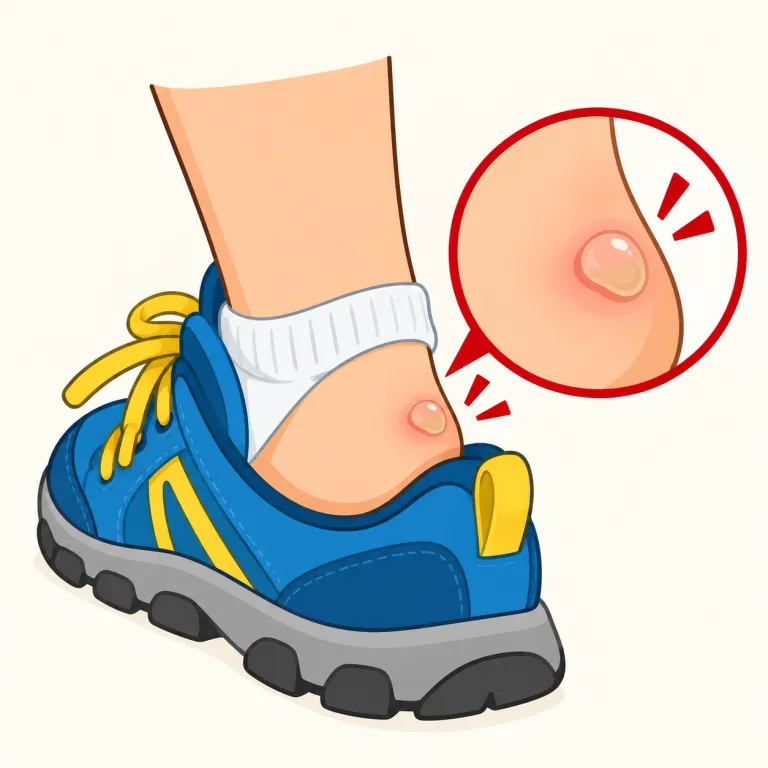
水膨れ
解説 Definition
blistering は blister(水膨れができる)の現在分詞・動名詞です。皮膚や表面に水膨れができている状態や、その過程を表します。
The present participle or gerund of blister, describing skin or another surface as developing raised, fluid-filled areas, typically because of heat, burning, friction, or irritation.
覚え方のコツ Memory Tip
原形 blister「水膨れができる」に -ing を加えた形で、/ˈblɪstər/ から /ˈblɪstərɪŋ/ となり、強勢は第1音節のままです。skin is blistering、heels started blistering のように、熱や摩擦で皮膚の表面がぷくっと膨らむ過程を思い浮かべます。形容詞の「猛烈な」と混同しないよう文脈を確認します。
Blistering is made by adding -ing to blister, with no change to the base spelling. The pronunciation grows from /ˈblɪstər/ to /ˈblɪstərɪŋ/, keeping the stress on the first syllable. Visualize a heel rubbing inside a new shoe or skin reacting around a burn: the surface rises into small fluid-filled pockets. Patterns such as skin blistering and feet starting to blister keep the physical process clear. In other contexts, blistering can be an adjective meaning extremely intense, so use the surrounding noun and situation to identify the intended sense.
例文
My heel is blistering after the long walk.
長く歩いたあとで、かかとに水膨れができかけています。
The nurse noticed the skin blistering around the burn.
看護師は、やけどの周りの皮膚に水膨れができていることに気づきました。
He stopped running when his toes started blistering inside the new shoes.
新しい靴の中で足の指に水膨れができ始めたので、彼は走るのをやめました。
blistering の類義語・関連語
blistering の語源・成り立ち Etymology
blistering は中英語 blister/blester「皮膚のふくれ」にさかのぼり、語の芯には「熱や摩擦で表面がぷくっと膨れる」感覚があります。そこから「水ぶくれを作る」、さらに比喩で「焼けつくように激しい」へ広がり、関連語に blister、blistered があります。
Blister comes from Middle English blister or blester, referring to a swelling or raised area on the skin. Its earlier history is Germanic but not fully certain. The verb developed from the noun and means “to form blisters” or “to cause blisters.” Blistering is its regular -ing form, representing the process as continuing or as an activity.
同じレベルの語彙をもっと
外部辞書で調べる
この英単語をクイズで覚えよう