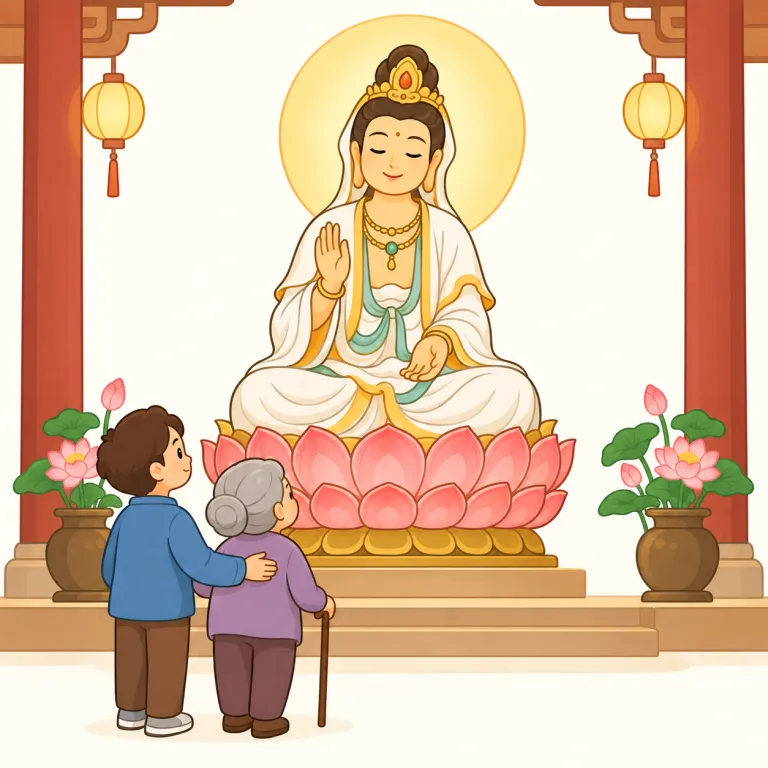
菩薩
解説 Definition
Bodhisattva は、仏教で悟りを求めながら他者を救おうとする存在、つまり菩薩を指す語です。宗教・哲学の文脈で使われ、固有名ではなく称号や概念として扱われます。
In Buddhism, a being who seeks awakening and follows the path toward Buddhahood. Especially in Mahayana traditions, a bodhisattva is characterized by compassionate commitment to helping other beings attain freedom from suffering.
覚え方のコツ Memory Tip
サンスクリット語の bodhi「悟り」と sattva「存在・生きる者」の組み合わせなので、「悟りに向かう存在」を記憶の核にする。仏教、とりわけ大乗仏教の文脈では、自ら悟りを求めつつ衆生を助ける菩薩を指す。Buddha は「悟った者」であり、修行段階や役割を同一視しない。
Divide bodhisattva into its Sanskrit elements: bodhi, “awakening” or “enlightenment,” and sattva, “being.” The central image is therefore a being oriented toward awakening. In Mahayana Buddhist contexts, add the essential association of compassion: a bodhisattva pursues wisdom while working to help all living beings escape suffering. Do not simply equate the term with Buddha. A Buddha is one who has awakened, whereas bodhisattva names a being following the path and, in many traditions, committing to the welfare of others.
例文
The temple statue represents a Bodhisattva of compassion.
その寺の像は慈悲の菩薩を表しています。
A Bodhisattva is often described as helping all living beings.
菩薩はしばしば、すべての生き物を助ける存在として説明されます。
The lecture examined how the idea of a Bodhisattva developed in Buddhist thought.
その講義では、菩薩という考えが仏教思想の中でどのように発展したかを考察しました。
bodhisattva の類義語・関連語
紛らわしい語
bodhisattva の語源・成り立ち Etymology
サンスクリット語 bodhisattva(bodhi=悟り + sattva=存在・本質)から。「悟りを求める存在」が原義。漢訳「菩薩」は音写の菩提薩埵の略。Buddha(仏陀)も同じ語根 budh(目覚める)を持つ。
Bodhisattva was borrowed from Sanskrit bodhisattva, a compound of bodhi, “awakening” or “enlightenment,” and sattva, “being.” Bodhi ultimately belongs to a Sanskrit root meaning “to wake, become aware, or understand,” also represented in Buddha. The term entered other Buddhist languages through translation or transcription; Japanese bosatsu comes through the shortened form of the Chinese transcription of Sanskrit bodhisattva.
同じレベルの語彙をもっと
外部辞書で調べる
この英単語をクイズで覚えよう